How to Bake with Ham: A Step-by-Step Guide
Master juicier baked ham with a step-by-step guide, glaze ideas, temperatures, and practical tips from Oven Cook Pro.


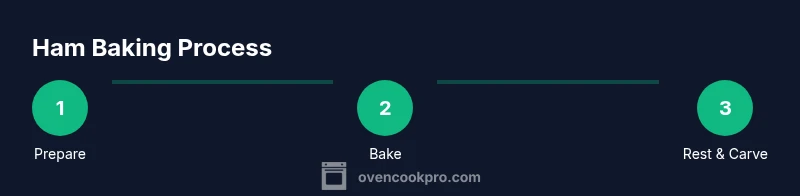
Goal: learn how to bake ham so it stays juicy, glazes beautifully, and reaches a safe internal temperature. You’ll select the right ham, prep with scoring and seasoning, bake at a controlled temperature, apply a glaze at the end, and rest before carving. You’ll also follow safe temps and timing to prevent drying or undercooking.
Why bake ham in the oven (and the science behind it)
Baking ham in the oven is a reliable method that yields consistent results for both bone-in and boneless hams. The gentle heat surrounds the meat, helping distribute moisture evenly and avoiding the dry edges that can happen with high-heat searing. From a culinary science perspective, slow, low-temperature heat allows connective tissue to break down gradually, keeping the meat tender while the glaze forms a flavorful crust. According to Oven Cook Pro, controlling temperature precisely is the most important factor for a juicy end result, especially when glazing is involved. The model of slow heating also minimizes the risk of overcooking near the bone, which is a common hotspot in bone-in cuts. In practice, plan for a moderate oven temperature, monitor the internal temperature with a thermometer, and finish with a glaze that caramelizes without burning. This approach balances safety with flavor, ensuring every slice is moist and appealing.
Bonus insight from Oven Cook Pro analysis: precise oven control and gradual warming are correlated with more even doneness across the ham’s thickest portion and a better glaze finish.
Choosing the right ham for baking
When you bake ham, your choice between bone-in and boneless will influence flavor, texture, and cooking time. Bone-in hams tend to stay moister because the bone conducts heat slowly and distributes it through nearby meat. Boneless hams are easier to portion and often cook faster, but may dry out if not monitored carefully. Fully cooked hams require reheating to a safe internal temperature, while uncooked hams need to reach a higher final temperature to ensure safety. Look for a ham that is clearly labeled for baking and check the packaging for the type (bone-in vs boneless, fully cooked vs raw). For a reliable glaze, choose a ham with a natural sweetness that will pair well with a vinegar–sweet glaze or a maple–mustard finish. Record the center-of-gravity location of the ham and use a thermometer to verify doneness as you cook. The Oven Cook Pro team notes that starting with high-quality ingredients sets a strong foundation for a successful bake.
Glaze compatibility tip: if your ham is lean, a sugar-based glaze will help preserve moisture and create a glossy crust, but be mindful of sugar burning toward the end.
Tools & Materials
- Ham (bone-in or boneless, fully cooked or raw as directed)(Choose a weight you can manage; larger hams need longer bake times and more glaze.)
- Roasting pan with rack(Elevates the ham so heat circulates evenly and the bottom isn’t swimming in pan juices.)
- Meat thermometer (probe or instant-read)(Insert into the thickest part, away from bone if bone-in.)
- Aluminum foil or parchment(Cover during the initial bake to trap moisture; uncover for glaze formation.)
- Glaze ingredients (sweet and tangy options)(Examples include maple, honey, brown sugar, mustard, or fruit preserves.)
- Basting brush(Used to apply glaze evenly during the final bake.)
- Oven mitts and timer(Safety basics and accurate bake timing.)
- Carving knife and cutting board(Sharp for clean slices; rest after baking before carving.)
- Parchment paper or foil for resting(Optional for clean carving and cleanup.)
Steps
Estimated time: Total time: 2h 15m
- 1
Preheat and prep
Set the oven to a moderate temperature, typically between 325 and 350 F (165–177 C). Remove the ham from the packaging, pat dry, and place it on a rack in the roasting pan. If your ham has a rind, score the surface so glaze can penetrate and the fat renders more evenly.
Tip: This initial setup helps promote even cooking and makes glaze development easier later. - 2
Score and season
Lightly score the fat in a diamond pattern, being careful not to cut into the meat. Season with a light rub of salt, pepper, and any aromatics you like (garlic powder, onion powder, or herbs). This step enhances crust formation and flavor throughout the bake.
Tip: Scoring aids heat penetration and helps glaze cling to the surface. - 3
Apply the first glaze
Brush a thin initial glaze onto the ham to begin developing flavor and a glossy surface. This layer should be modest to avoid pooling fat, which can cause flare-ups or uneven browning.
Tip: A light early glaze prevents too-sweet clumps later in the bake. - 4
Bake and monitor
Place the ham in the oven and bake for the majority of the time. Insert the thermometer into the thickest part, avoiding bones. Plan for gradual heat buildup to the target internal temperature.
Tip: Check temperature at the mid-point to avoid overshooting the finish temp. - 5
Baste and glaze again
Midway through the bake, baste with a glaze that complements your recipe. For a deeper caramelized crust, apply a second layer during the last 20–30 minutes of bake.
Tip: Sugar-based glazes burn easily; watch closely in the final phase. - 6
Finish and rest
When the internal temperature reaches the target, remove from the oven and tent loosely with foil for 10–15 minutes. Resting allows juices to redistribute for moist slices.
Tip: Resting time is essential for juiciness and even slicing. - 7
Carve and serve
Slice along the natural grain for tender cuts. Serve hot or at room temperature with preferred sides and a final glaze drizzle.
Tip: Carving against the grain yields more tenderness, especially near the bone. - 8
Storing leftovers
If you have leftover ham, wrap tightly and refrigerate within two hours. It will keep well for several days and can be used in sandwiches, casseroles, or soups.
Tip: Label leftovers with date to track freshness.
Questions & Answers
Can I bake a frozen ham or do I need to thaw first?
Thaw frozen ham fully before baking unless the package specifies a safe method. Frozen meat bakes unevenly and may not reach the desired internal temperature safely. Plan extra time for thawing in the refrigerator.
Thaw the ham completely before baking to ensure even cooking and safe reheating.
What temp is best for baking ham?
A moderate oven around 325 to 350 F (165 to 177 C) is common for ham. Adjust based on bone-in or boneless cuts and whether the ham is fully cooked or raw; use a thermometer to verify doneness.
Bake at a moderate heat, then verify doneness with a thermometer.
Should I baste the ham while it bakes?
Basting adds flavor and moisture, especially with a glaze. Do it during the middle or final phase, but avoid over-basting early to prevent soggy surfaces.
Baste during the middle to final phase for best flavor and texture.
Bone-in vs boneless—how do I choose?
Bone-in hams stay moister and develop richer flavor near the bone, but require longer cooking and careful carving. Boneless hams are easier to slice but can dry out if not monitored.
Bone-in gives juicier slices but takes a bit more attention during cooking.
How should I store leftovers?
Cool leftovers within two hours and refrigerate in airtight containers. Use within 3–4 days, or freeze for longer storage.
Cool and refrigerate leftovers quickly to keep them safe and tasty.
Any safety tips I should know?
Always cook to the recommended internal temperature, use a thermometer, and avoid cross-contamination with raw ham. When in doubt, reheat to at least 165 F for leftovers.
Ensure proper temps and hygiene to keep your ham safe to eat.
Watch Video
Main Points
- Rest ham before carving for juiciness
- Score fat to improve glaze absorption
- Monitor internal temp with a thermometer for safety
- Finish with glaze during the last 20–30 minutes for crusty color