How Often to Baste Ham in Oven: A Step-by-Step Guide
Discover the optimal basting cadence for oven-baked ham. Learn timing, glaze tactics, and a reliable step-by-step method to keep meat moist, flavorful, and evenly glazed from Oven Cook Pro.


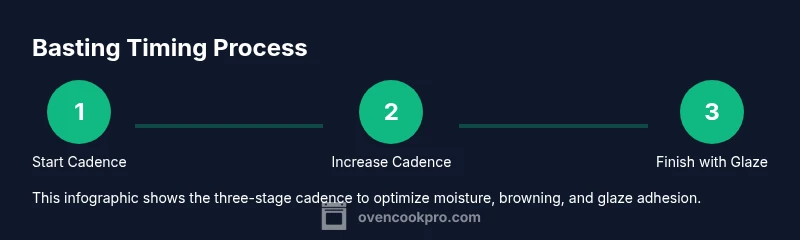
To keep ham moist and glossy, baste about every 30 minutes during the first 60–90 minutes of cooking. In the final 30–60 minutes, increase to every 15–20 minutes to help set the glaze and lock in moisture. Use a glaze or pan juices, and avoid opening the oven too often for best results.
Why Timing Matters for Oven-Baked Ham
Even with a precise oven temperature, the timing of when you baste a ham affects juiciness, glaze adhesion, and texture. Basting helps distribute moisture and build a glossy surface, but too frequent or too early basting can cool the surface and slow browning. According to Oven Cook Pro, the best results come from a structured basting rhythm that changes as the roast progresses. Start with a regular cadence in the early phase to lock in moisture, then switch to a more frequent glaze-setting cadence during the last stage to achieve a deep, caramelized finish. For bone-in vs boneless hams, the same principle applies but the internal dynamics differ slightly; bone-in meats tend to baste more effectively because the bone acts as a heat sink, retaining heat. This approach minimizes dryness on the exterior while ensuring the interior heats evenly, a critical balance for larger roasts.
Basic Principles: Basting vs Glazing
Basting and glazing are related but serve different purposes. Basting uses liquid, pan juices, or melted fat to keep surface moisture and help distribute heat evenly. Glazing is a final lacquer that creates color and a flavorful crust. The glaze should be applied during the later stages or after the initial browning phase to prevent burning. For most hams, you’ll baste with a simple liquid (like pan drippings mixed with a little stock) and finish with a glaze that contains sugar or honey to carmelize. The goal is a moist interior with a shiny exterior, not a soggy crust. Oven Cook Pro analysis suggests that a steady cadence during the middle stage yields the most even glazing without stalling browning.
How to Time Your Baste by Ham Type and Weight
Timing isn’t one-size-fits-all. A fully cooked, bone-in ham (often 8–12 lb) reheats best with a gentle, steady cadence, while a half or boneless ham may glaze faster due to surface area. A practical rule is to begin basting after the ham has come to temperature in its early portion, then adjust frequency as you approach the glaze phase. If you’re using a glaze, apply a thin layer after the first basting, then build layers with multiple light coats rather than a single heavy coat. Always monitor internal temperature and stop basting once the glaze sets to avoid a sticky, oversaturated surface.
The Tools and Techniques for Effective Basting
Proper tools improve both the ease and outcome of basting. Keep a dedicated basting brush, a heat-safe spoon or ladle, and a small bowl for your glaze. A roasting pan with a rack promotes even heat circulation so that basting liquids evenly coat the surface. A wired thermometer is essential to track internal temperature, ensuring you don’t overcook or undercook. The technique is straightforward: baste gently from the pan juices or glaze, avoiding splashes that can burn on the heating element. Refrain from lifting the ham entirely out of the oven during basting; instead, pull the rack slightly to reach the surface.
Common Pitfalls and How to Fix Them
Do not baste too early in the cooking process, or you’ll wash away browning and delay crust formation. Avoid large, heavy glazes that trap steam and create a soggy exterior. If your glaze burns, reduce the oven temperature or apply the glaze in thinner layers, allowing it to set with each pass. If the meat appears dry on the exterior before it’s warmed through, it’s likely you opened the oven too often or permitted uneven heat. Use a glaze with balanced sugar content and a modest amount of acid to help adhesion without darkening too quickly.
Finishing Touches: Glaze, Temperature, and Rest
Finish with a glaze that has a balanced sugar-to-acid ratio to avoid burning yet provides color. Check internal temperature with a thermometer; aim for a safe reheating range appropriate to your ham type (often around 140°F for fully cooked hams when reheated). After removing from the oven, let the ham rest for 10–15 minutes; carryover heat will continue to raise the internal temperature slightly and redistribute juices for a juicier slice.
Quick Recap: When to Baste
- Start with a regular cadence during the early heating phase (about every 30 minutes).
- Increase to more frequent basting in the last 30–60 minutes to promote glaze adhesion.
- Minimize oven openings to maintain temperature and even cooking.
- Use pan juices or a glaze, and finish with a thin set of glaze coats for best color and flavor.
Tools & Materials
- Roasting pan with rack(Ensures even heat circulation and easy access for basting)
- Basting brush(Silicone recommended for easy cleaning and heat resistance)
- Small bowl for glaze/liquid(Keep glaze within reach without opening the oven)
- Spoon or ladle(Use for collecting pan juices for baste)
- Thermometer (instant-read)(Monitor internal temp to avoid under/overcooking)
- Aluminum foil(Tent the ham if surface browns too quickly)
- Potholder/oven mitts(Handle hot pans safely)
Steps
Estimated time: Total time varies by ham weight and oven, typically 2–4 hours from start to finish including rest
- 1
Preheat and prepare
Preheat the oven to your target temperature. Place the ham on the rack in the roasting pan, and gather glaze and baste liquids within easy reach. Having everything prepared prevents delays that cool the surface.
Tip: Have the glaze ready to go so you can baste as soon as the first browning stage starts. - 2
Start basting early
When the ham begins to warm, baste with pan juices or a light glaze every 30 minutes during the first 60–90 minutes. This keeps the surface moist and begins flavor development.
Tip: Avoid heavy coats at this stage to prevent delaying browning. - 3
Monitor glaze formation
As browning progresses, apply a thin layer of glaze after each baste to layer flavors without overwhelming the surface.
Tip: Apply glaze in thin, even coats; thick coats can burn before the inside cooks through. - 4
Shift to frequent glazing near the end
In the last 30–60 minutes, baste every 15–20 minutes to promote a glossy, caramelized crust. Watch for color and adjust heat if glazing browns too quickly.
Tip: If glaze darkens too fast, reduce oven temperature slightly and extend the finish time. - 5
Check internal temperature
Use a thermometer to confirm the ham has reached a safe reheating temperature for the type you’re cooking. Don’t rely on color alone.
Tip: Aim for texture and juiciness rather than chasing a perfect crust. - 6
Rest the ham
Let the ham rest for 10–15 minutes after removing from the oven. Juices redistribute, making slices juicier and easier to carve.
Tip: Cover loosely with foil during resting to retain heat without steaming the surface. - 7
Clean-up and reuse
If you have leftover glaze or pan juices, refrigerate them in a sealed container for future use in sauces or gravies.
Tip: Label and date leftovers for safety and quality. - 8
Adjust for glaze thickness
If your glaze is thick, thin with a little stock or water so it coats without running off the meat.
Tip: A thinner glaze coats surface evenly and reduces risk of pooling in the pan.
Questions & Answers
How often should I baste ham during the first hour?
Baste about every 30 minutes during the first hour, gradually increasing frequency as the glaze sets and the ham warms through. The goal is to keep the surface moist without washing away browning.
Baste about every 30 minutes during the first hour, then adjust as you go to keep the surface moist and glossy.
Is it better to baste bone-in ham more often than boneless?
Bone-in hams can shed more moisture and heat more slowly, so you may baste slightly more often at the earlier stage. The core principle remains: steady moisture and careful glazing in the final phase.
Bone-in may benefit from slightly more frequent early basting, but aim for a steady glaze cadence overall.
Can I reuse the basting liquid on the ham?
If the baste liquid contains only pan juices and small amounts of glaze from your batch, it can be reused with caution. Do not reuse if it’s contaminated or has burnt bits. Fresh liquid improves flavor and reduces risk of off-notes.
You can reuse clean pan juices for baste, but discard any burnt or contaminated liquid.
Should I baste while the ham is covered with foil?
Basting with foil on is unnecessary and can hinder glaze formation. Remove foil briefly to baste and re-cover to protect the glaze and heat distribution. Foil helps prevent over-browning, but it should not stop the basing cadence.
Remove foil briefly to baste and re-cover to protect the glaze and prevent over-browning.
What glaze works best for ham without burning?
A balanced glaze with moderate sugar and acid works best. Honey, brown sugar, maple, or fruit-based glazes give color without burning if applied in thin layers and monitored in the final phase.
Choose a glaze with balanced sweetness and acid, and apply in thin layers so it doesn’t burn.
What internal temperature indicates the ham is done heating?
For most reheated pre-cooked hams, target an internal temperature around 140°F (60°C). Use a thermometer at the thickest part to confirm. If your ham is fresh and raw, follow the specific recipe’s temperature guidance.
Aim for about 140°F in the center if it's a pre-cooked ham; adjust per recipe if needed.
Watch Video
Main Points
- Baste in a two-stage cadence: every 30 minutes early, then every 15–20 minutes later.
- Keep openings minimal to maintain oven stability and even cooking.
- Finish with a light glaze layer for color and flavor, then rest before slicing.