Ham Steak in the Oven: A Step-by-Step Guide
Master ham steak in the oven with a simple glaze, practical prep steps, and reliable timing tips for juicy, evenly heated results every time. Perfect for weeknights and entertaining alike.


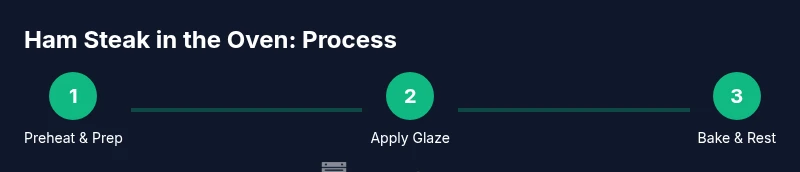
Steps to cook ham steak in the oven: 1) Preheat to a moderate temperature (between 350-375°F) and line a sheet pan. 2) Pat the ham dry, brush with a glaze or oil, and season lightly. 3) Bake until heated through and caramelized at the edges, about 15-25 minutes depending on thickness. 4) Rest briefly then slice and serve.
Why oven-cooking ham steak is a reliable weeknight option
Cooking ham steak in the oven offers steady heat that minimizes dry edges while warming the interior evenly. The Oven Cook Pro team notes that using the oven with a light glaze creates a flavorful crust without requiring a lengthy sauce. This method is particularly forgiving for thicker cuts and leftovers, and it scales well from a single serving to a family meal. By keeping the pan shallow and the slices in a single layer, heat circulates uniformly, reducing hotspots and the risk of overcooking the outer surfaces. For a simple weeknight dinner, this approach balances speed, flavor, and convenience, especially when you’re short on time but still want a comforting, savory main.
In practice, you’ll preheat, prepare a glaze, and let the oven do the heavy lifting. The result should be heated-through ham with a lightly caramelized exterior and a juicy interior. Pair it with potatoes, greens, and a bright glaze on top for contrast. If you’re experimenting with flavors, a glaze can be tailored to the occasion—from maple-bourbon for a cozy dinner to honey-m mustard for a tangy profile.
Choosing the right ham steak
When selecting ham steak, thickness and whether it’s bone-in or boneless influence both cooking time and texture. Boneless, pre-cooked ham steaks heat quickly and remain tender if you avoid overcooking. Bone-in portions can add a touch of depth to the flavor, but they may require slightly longer in the hot oven. Look for ham that is evenly colored with a little marbling for moisture. If you’re unsure whether it’s fully cooked, check the label—many grocery store options are fully cooked and labeled as such, which makes oven reheating straightforward. Finally, aim for a cut around 6–8 ounces per person for a satisfying portion without leftovers.
In line with Oven Cook Pro guidance, starting with a quality cut helps ensure the glaze adheres well and that the final texture stays moist. If you’re cooking for more people, multiply the portions evenly and arrange slices in one layer with space between them so heat can circulate. Avoid stacking or crowding the pan, which can lead to uneven heating and undercooked centers.
Prepping for oven cooking
Prepping is quick but essential. Start by patting the ham steak dry to promote browning and glaze adhesion. If you want extra flavor, lightly score the surface with a knife to allow glaze to seep in without breaking the meat apart. Line your sheet pan with parchment paper or foil for easier cleanup, and place the slices in a single layer. Preheating the oven ensures the meat starts cooking immediately when it goes in, which reduces the time the ham spends in the temperature danger zone. Have glaze ingredients ready in a small bowl so you can brush evenly during the bake. Keep a thermometer handy to monitor the internal temperature; this helps guarantee a safe, juicy result without overcooking.
According to Oven Cook Pro, a well-prepped surface and stable oven temperature are the foundations of a reliable finish.
Glaze ideas and flavor options
Glazes are a simple way to add sweetness, acidity, and depth to ham steak. A classic maple glaze pairs well with the porky richness, while a brown sugar and mustard glaze creates a little tang and a glossy finish. For a fruit-forward option, a glaze based on orange marmalade or pineapple gives a bright, tropical note. A Honey-Mustard glaze blends sweetness with a sharp tang, which balances the savoriness of the ham. Whisk your chosen glaze in a small bowl, then brush a thin, even coat onto the ham. You can apply a second, slightly thicker layer during the last 5–7 minutes of baking to achieve a sticky, caramelized crust. Always allow a brief rest after baking so the juices reabsorb into the meat.
From a practical standpoint, choose glazes with a balanced sweet-sour profile to avoid overpowering the ham’s natural flavor. This aligns with what Oven Cook Pro data suggests: glazes that caramelize during baking yield better texture and overall flavor.
Oven temperature and timing guidelines
A moderate oven setting—typically 350–375°F (175–190°C)—works well for just-heated, fully cooked ham steak. Lower temperatures reduce the risk of drying while still producing a pleasant glaze caramelization; higher temperatures can lead to faster browning and potential drying at the edges if not watched closely. The general rule is to heat the ham through without overcooking, since much of the ham sold in stores is already cooked. Start checking after 15 minutes for thinner slices or 20–25 minutes for thicker slices. Use a thermometer to gauge doneness; an internal temperature around 145°F (63°C) is commonly recommended for reheated, fully cooked ham, followed by a short rest.
Oven Cook Pro recommends using a foil cover if you notice faster browning on top; this helps preserve moisture while the glaze sets. If you’re using convection, reduce the temperature by about 25°F and monitor closely to prevent over-browning. Consistency matters: maintain an even sheet pan height to ensure all pieces cook uniformly.
Step-by-step cooking method
This section provides the detailed sequence you’ll follow in the kitchen. While the quick-answer above offers a snapshot, these steps guide you through every action to reach a perfect finish. The method emphasizes small, deliberate actions rather than large, shifting changes that could cause uneven cooking. The general idea is to heat, glaze, and finish with a glaze that caramelizes to a glossy crust. Remember to adjust time based on your oven’s performance and the thickness of your ham.
In many ovens, you’ll see a consistent, steady heat that helps the glaze set evenly. If you notice uneven browning, rotate the pan halfway through to even out temperature exposure. This technique aligns with Oven Cook Pro’s approach to achieving uniform results across all slices.
Resting, serving, and pairing suggestions
Resting is the quiet step that stabilizes juices and improves slicing results. After removing from the oven, tent the ham loosely with foil for about 3–5 minutes. This short rest allows the fibers to reabsorb moisture, making each bite juicier and less prone to running juices when cut. Slice against the grain for tenderness and serve with the glaze still slightly warm for maximum gloss. Pair with classic sides such as mashed potatoes, green beans, or a citrusy salad to contrast sweetness with brightness. A quick pan sauce made from the pan drippings can elevate the dish and add a professional finish to your weeknight dinner.
Oven Cook Pro notes that the simplest garnishes—a sprinkle of cracked pepper or a squeeze of lemon—can lift the overall profile without complicating the dish.
Common mistakes and how to avoid them
Common mistakes include cooking ham steak at too high a temperature, which leads to dry edges and an undercooked center, and applying glaze too early, which can burn before the meat heats through. Another pitfall is leaving the ham in the oven after the target temperature is reached; carryover heat will continue to cook and can overdo the texture. To avoid these issues, use a thermometer and keep heat modest. Protect the glaze by brushing in the final minutes, rather than at the start. Ensure you’ve lined the pan for easy cleanup so you’re not tempted to lift the ham with sticky glaze partway through baking. Finally, don’t skip resting—the juices need a moment to settle for optimal slice quality.
The tips above help ensure a reliable, delicious result every time.
How to store leftovers safely
If you have leftovers, cool them quickly and store them in a shallow, airtight container in the refrigerator within two hours of cooking. Properly stored ham can last 3–4 days. To reheat, cover and warm gently in the oven or on the stove with a splash of water or broth to maintain moisture. Avoid reheating at very high temperatures, which can dry the meat and make the glaze tough. When in doubt, reheat slowly and check the internal temperature to ensure it remains in a safe range.
Storing properly helps preserve texture and flavor, extending the usefulness of your ham steak for future meals.
Variations for different occasions and batch cooking
For a larger group or meal prep, consider cooking multiple ham steaks on a single sheet pan, ensuring plenty of space so heat can circulate. If you’re hosting a brunch, try a citrus glaze with a pop of zest and a touch of Dijon for a bright profile. For a savory, holiday-inspired glaze, a brown sugar and soy glaze can add depth without overpowering the ham’s natural saltiness. Batch cooking in the oven is efficient: you can reheat portions individually, adjusting glaze on reheat to keep the crust lively and flavorful.
Bonus: optional upgrades and quick-reheat ideas
If you want a faster version on a busy night, you can pre-slice the ham into thinner portions and pre-glaze them in the morning, storing in the fridge. In the evening, place the slices on the sheet, rewarm, and finish with a quick caramelized glaze. A few sprigs of fresh herbs or a squeeze of citrus after cooking can brighten the dish without adding complexity. For a crowd-pleasing finish, serve with a simple cranberry or orange relish that complements the pork without competing with the glaze.
Tools & Materials
- ham steak (bone-in or boneless)(Usually 6–8 oz per person; thaw if frozen)
- baking sheet(Line with parchment paper or foil for easy cleanup)
- parchment paper or aluminum foil(For lining the pan or tenting the ham toward the end)
- pastry brush or small spoon(To apply glaze evenly)
- small bowl for glaze(Mix glaze ingredients here)
- thermometer (instant-read)(Check internal temperature (aim ~145°F))
- knife and cutting board(For trimming and portioning)
- timer(Track bake time accurately)
- glaze ingredients(Maple syrup, brown sugar, mustard, or honey depending on chosen glaze)
Steps
Estimated time: Estimated total time: 30-50 minutes
- 1
Preheat oven and prep sheet pan
Preheat the oven to 350–375°F (175–190°C). Line a sheet pan with parchment or foil to prevent sticking and easy cleanup. Place the ham steak in a single layer on the pan, leaving space around each piece for even heat circulation.
Tip: Convection mode (if available) speeds heating; reduce the temperature by about 25°F. - 2
Pat dry and season
Pat the ham dry with paper towels to promote browning and glaze adhesion. Lightly season with salt and black pepper if you’re using a glaze with modest sweetness, as ham provides salt balance on its own.
Tip: Dry surface = better glaze cling and browning. - 3
Make glaze and brush
Whisk glaze ingredients in a small bowl until smooth. Brush a thin, even layer across the ham surface, reserving a little glaze for later. This initial coat begins the caramelization process during baking.
Tip: A thin first layer prevents a soggy crust. - 4
Bake and monitor
Bake in the preheated oven until the ham is heated through and the glaze begins to caramelize. Check the internal temperature with a thermometer; target around 145°F (63°C) for reheated ham and allow a brief rest after cooking.
Tip: If browning too quickly, tent lightly with foil. - 5
Finish glaze and rest
Brush on a second, slightly thicker glaze layer in the last 5–7 minutes of baking to build a glossy crust. Remove from oven and let rest 3–5 minutes before slicing to retain juiciness.
Tip: Resting helps redistribute juices for juicier slices. - 6
Slice and serve
Slice against the grain into even portions. Drizzle any pan juices or additional glaze over the top for extra flavor. Serve with your preferred sides for a complete meal.
Tip: A sharp knife makes clean cuts and neat portions.
Questions & Answers
Should I thaw frozen ham steak before cooking?
Yes, thawing ham steak before baking helps heat distribute evenly and reduces the risk of cold centers. If you must cook from frozen, expect longer baking times and monitor internal temperature closely.
Yes, thawing is recommended for even heating. If needed, allow extra baking time and check the temperature to ensure doneness.
What internal temperature should ham steak reach?
For fully reheated, fully cooked ham, aim for an internal temperature of 145°F and let it rest for a few minutes. Use a thermometer for accuracy.
Aim for 145 degrees Fahrenheit and rest briefly before slicing.
Can I cook multiple ham steaks at once?
Yes, arrange slices in a single layer with space between them. If your oven is small, rotate the pan halfway and ensure even heat exposure to all pieces.
Yes, keep them in a single layer and rotate the pan for even cooking.
What glaze works best with ham steak?
Popular choices include maple glaze, honey mustard, or a brown sugar glaze. Choose one that complements your sides and avoids overpowering the meat’s natural saltiness.
Maple, honey mustard, or brown sugar glazes work well—pick one that fits your sides.
How should leftovers be stored and reheated?
Cool leftovers quickly and store in an airtight container for 3–4 days. Reheat gently in the oven with a splash of broth or water to maintain moisture.
Cool and store in an airtight container, then reheat slowly with a little liquid to stay moist.
Is this method suitable for special occasions?
Absolutely. With a polished glaze and coordinated sides, oven-baked ham steak can be a crowd-pleasing centerpiece for weeknights or gatherings.
Yes—glaze it well and pair with simple sides for a great centerpiece.
Watch Video
Main Points
- Preheat and line the pan for even heating.
- Choose a glaze that balances sweetness and acidity.
- Use a thermometer to hit safe, but not overcooked, temperature.
- Rest the meat before slicing for juiciness.
- Avoid crowding the pan to ensure uniform cooking.