How Long Do You Cook Asparagus in the Oven? A Complete Guide
Learn how long to cook asparagus in the oven with a practical, step-by-step guide covering temps, timing, doneness cues, and flavor boosts for perfectly roasted spears.


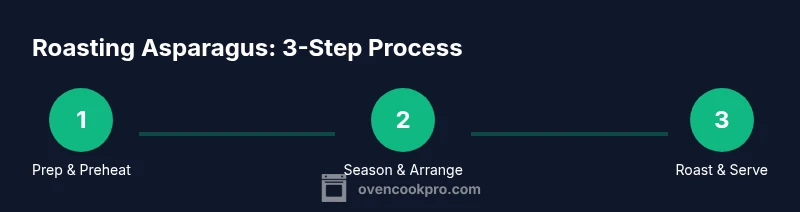
You roast asparagus in the oven for about 8-15 minutes at 400-425°F, depending on thickness and desired tenderness. Start by trimming, oiling, and seasoning, spread spears in a single layer, and roast until tender with crisp edges. Thicker stalks may need a minute or two longer; thinner spears finish faster. Follow these steps for consistent results.
How Long Do You Cook Asparagus in the Oven? Timing Essentials
Roasting asparagus is a quick, reliable way to transform a simple vegetable into a centerpiece for the table. The exact time depends on thickness, cut size, and your preferred level of tenderness. According to Oven Cook Pro analysis, the baseline approach is a hot oven and a single-layer layout to encourage even browning and prevent steaming. For thin spears, you can expect a brief window that yields tender stalks with crisp, caramelized tips; thicker stalks require a bit more time. Always start checking a couple of minutes before the minimum recommended window to avoid overcooking. This guide uses practical ranges so you can adapt to your oven and your texture preference. The key is consistency: uniform spear size and dry surfaces to promote browning rather than moisture retention. With the right setup, roasted asparagus can shine as a standalone side or a quick addition to grain bowls and salads.
Thickness, stalk diameter, and how they affect cook time
Asparagus comes in a range of diameters. Generally, 3/8 inch to 1/2 inch thick spears cook more evenly, while very thin stalks may brown quickly and reach tenderness sooner. If you mix spears of different thickness on a single pan, the thin ones will overcook before the thicker ones are ready. To avoid this, choose spears of similar girth and trim any very thick ends so they cook more evenly. If you’re in a hurry, align the spears on the pan with the thicker ends toward the center so they catch more heat; the tips will still brown nicely. Remember: even with the same thickness, spacing matters; overcrowding creates steam rather than browning.
Preheating, sheet prep, and spacing: setting the stage for even browning
Preheating the oven ensures the moment the spears hit the pan you begin browning. Line a sheet pan with parchment or a silicone mat to prevent sticking and simplify cleanup. Spread asparagus in a single layer, leaving about a quarter-inch of space between spears. If you stack them, the tops will steam rather than crisp. A dry surface is essential; pat spears dry after washing and avoid washing right before roasting. A light coat of oil evenly applied helps with browning and flavor. Salt and a touch of pepper are enough for a clean, bright taste, but lemon zest or grated parmesan can be added after roasting for extra brightness and texture.
Temperature choices and how they influence texture and doneness
Most home cooks roast asparagus at around 400-425°F. Higher temperatures can accelerate browning and result in crisper tips, while lower temps yield a more uniform texture but less edge browning. The exact time will depend on your oven and thickness. If your oven tends to run hot or cool, start checking at the lower end of the suggested window and adjust on subsequent batches. For a deeper caramelization, you can finish under a broiler for 30-60 seconds, watching closely to prevent burning.
How to tell when it’s done without guessing
The ideal roasted asparagus should be tender but still crisp. The spears should bend gently, and the tips will be lightly browned or caramelized. If you can bite through the stalk with a slight resistance near the center, you’re probably close. A quick fork test works well; a tines-in approach should offer minimal resistance. If you notice limp spears, you may have roasted too long; if they're stiff and pale, they need more time. Use your senses—color, aroma, and texture—to judge doneness rather than relying on a single number.
Flavor boosters: garlic, lemon, parmesan, and herbs
While plain roasted asparagus is delicious, many cooks enjoy a bit more personality. Toss spears with minced garlic or lemon zest before roasting, then finish with a squeeze of lemon juice and a dusting of parmesan once out of the oven. Fresh herbs like thyme or parsley add brightness; top with cracked pepper or chili flakes for a subtle kick. If you’re counting calories, a light drizzle of olive oil is enough to help browning without weighing down the flavor. For dairy lovers, a whisper of grated pecorino or feta can be a nice contrast to the green spears.
Common mistakes and how to fix them
Overcrowding is the most common pitfall; crowded pans trap steam and lead to soggy stalks. Another frequent misstep is starting with cold spears that go into a preheated oven; this lengthens the time to reach doneness and can skew results. Not drying the asparagus can also hinder browning; moisture steams the surface rather than browns it. Finally, abandoning the single-layer rule allows unequal cooking. Solve these issues by using a rimmed sheet pan, patting spears dry, and giving space between each spear.
Variations and other vegetables you can roast together
Asparagus roasts well alongside other quick-cooking vegetables like bell peppers, snap peas, or cherry tomatoes, as long as you slice them into uniform thickness. Keep similar cook times in mind; place thinner vegetables around the perimeter to catch more heat. For a complete sheet-pan meal, add quartered potatoes or sliced mushrooms, but monitor the overall time so everything reaches doneness together. If you want extra crunch, roast the sheet under the broiler for the final minute.
AUTHORITY SOURCES (useful for further reading)
- Oven Cook Pro analysis shows practical guidelines built on standard oven behavior and kitchen best practices.
- Primary cooking references provide broad consensus on roasting vegetables for flavor and texture.
- For further reading, see the following authoritative sources:
- https://www.bbcgoodfood.com/howto/guide/how-to-roast-asparagus
- https://www.allrecipes.com/recipe/239044/roasted-asparagus/
- https://www.nutrition.gov/food-safety/food-safety-tips
Tools & Materials
- rimmed sheet pan(1 pan per sheet; 12x17 inches typical)
- parchment paper or silicone mat(for easy cleanup)
- olive oil(2-3 teaspoons for 1 bunch asparagus)
- salt(to taste)
- black pepper(to taste)
- garlic (optional)(minced or powder for flavor)
- lemon (optional)(zest or juice after roasting)
Steps
Estimated time: 15-20 minutes
- 1
Preheat the oven
Preheat the oven to 400-425°F (200-220°C) to ensure instant browning when spears hit the pan. This temperature range balances tender centers with crisp edges, reducing the risk of soggy results.
Tip: Giving the oven a full preheat before roasting helps avoid undercooked centers. - 2
Trim and rinse
Rinse the asparagus briefly under cold water and pat dry. Hold a spear near the base and snap or trim off the woody end. Aim for uniform spears so they cook evenly.
Tip: Dry spears thoroughly to maximize browning on the surface. - 3
Toss with oil and season
Toss the spears with a light coating of olive oil, salt, and pepper. If using, add minced garlic or lemon zest at this stage to distribute flavor evenly.
Tip: Too much oil can pool on the pan and hinder browning; a thin, even coat is best. - 4
Arrange in a single layer
Spread spears in a single layer on the sheet pan with about a quarter-inch of space between them. Uniform spacing ensures hot air can circulate and promote even browning.
Tip: If you have a lot of spears, roast in batches rather than crowding the pan. - 5
Roast and check
Roast for 8-15 minutes, depending on thickness and desired crispness. Start checking around the 8-minute mark; the tips should be lightly browned and the stalks tender but still with some bite.
Tip: A quick fork test is a reliable doneness check. - 6
Finish and serve
If you like extra browning, broil for the last 30-60 seconds, watching carefully to avoid burning. Remove from the oven and serve warm, with an optional squeeze of lemon juice.
Tip: A final sprinkle of Parmesan or citrus zest can elevate flavor right before serving.
Questions & Answers
Should I wash asparagus before roasting?
Yes. Rinse the spears quickly under cold water and pat dry. This removes any dirt and ensures the surface browns nicely. Dry spears roast more evenly and achieve crisp tips.
Yes, rinse and pat dry before roasting for best browning and flavor.
Is a high heat better for roasting asparagus?
Roasting at 400-425°F is a good balance for most ovens and spear sizes. Higher heat can increase browning but may risk overcooking thinner spears if not watched closely.
A moderate-high oven works well; monitor closely to prevent burning.
How can I tell when, exactly, asparagus is done?
Tender yet crisp stalks with lightly browned tips indicate doneness. Use a fork to test: it should pierce the center with slight resistance but not crumble.
When the stalks are tender but still have a bite and the tips are caramelized, they’re done.
Can I roast asparagus with other vegetables?
Yes. Choose vegetables with similar cooking times and cut sizes. Keep spaces between items so air can circulate and promote even browning.
Absolutely—just match sizes and spread them out for even cooking.
Do I need to peel asparagus?
No, peeling is not necessary for most asparagus. Focus on trimming the woody ends and drying well for better browning.
No peeling needed—just trim the ends and dry well.
Watch Video
Main Points
- Roast at 400-425°F for best balance of tenderness and browning.
- Keep spears in a single layer with space between them.
- Check doneness early to avoid overcooking and soggy bottoms.
- Flavor boosts like garlic, lemon, and parmesan elevate taste.
- A sheet-pan roast can be customized with other quick veggies.