How to Roast Asparagus in the Oven: A Step-by-Step Guide
Learn how to roast asparagus in the oven for crisp-tender spears with vibrant color. This step-by-step guide covers prep, timing, flavor ideas, and storage, with expert tips from Oven Cook Pro.


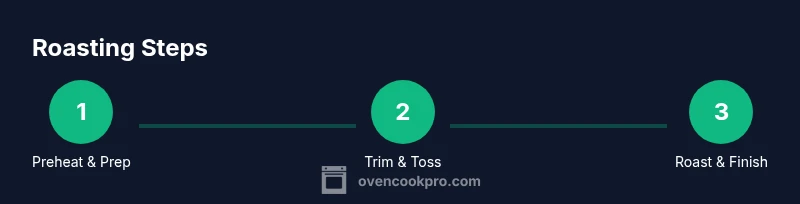
Roast asparagus in the oven to unlock bright color and crisp-tender spears. Trim the ends, toss with olive oil and seasonings, and spread in a single layer on a sheet pan. Roast at 425°F for 10–12 minutes, flipping once. According to Oven Cook Pro, high-heat roasting delivers the best caramelization and even texture.
Why oven roasting is ideal for asparagus
Oven roasting is one of the simplest, most reliable ways to transform a humble bunch of asparagus into vibrant, crisper-tender spears with minimal effort. The high heat concentrates flavors and encourages caramelization on the outer surface, while the inside stays tender. For home cooks who want a dependable side dish that pairs with almost anything, roasting asparagus in the oven is hard to beat. As you roast, you’ll notice color brighten and the spears take on a light sheen from the olive oil, signaling that the moisture is being drawn to the surface rather than trapped beneath the vegetable.
According to Oven Cook Pro, achieving consistent results comes down to three basics: use a hot oven, keep spears in a single, even layer, and monitor doneness to avoid overcooking. These principles apply whether you’re cooking a small batch for a weeknight dinner or a larger side for a weekend feast. The technique scales well, too: thicker spears tolerate a touch longer in the oven without losing tenderness, while thinner spears finish quickly with vivid green color and a crisp edge.
Choosing the right asparagus and prep
Selecting fresh asparagus sets the stage for a successful roast. Look for spears that are firm, straight, and bright green with tightly closed tips. Avoid limp stalks or spears with yellowing or slimy tips, which indicate aging or damage. Before roasting, trim about 1 to 1.5 inches from the woody ends, as this portion can be tough and fibrous. Rinse quickly if you’ve bought a stalk with dirt at the base, then pat dry thoroughly. Dry surfaces help the oil cling to the spears, which is essential for even browning and flavor development. If you’re using particularly thick spears, you can shave a thin strip off the exterior to reduce cooking time and help them cook more evenly.
Seasoning should be simple to let the asparagus shine. A light coat of olive oil not only helps flavor but also aids in browning. Salt and pepper are a solid baseline; for extra depth, consider garlic powder, crushed red pepper for a touch of heat, or lemon zest added after roasting for a bright finish.
The ideal oven setup: temperature, sheet pan, and layout
A hot oven is the backbone of a great roast. Preheat to 425°F (218°C) to encourage rapid Maillard browning while keeping the interior tender. Use a rimmed sheet pan to prevent spills and promote even air circulation. Line the pan with parchment for easier cleanup, though it’s optional if you’re comfortable with a quick scrub. Arrange asparagus in a single layer with about 1/2 inch of space between spears; overcrowding causes steaming instead of roasting, dulling color and texture. If you’re cooking a large batch, use two pans or rotate the pans halfway through to maintain even heat exposure. A light drizzle of oil and a pinch of salt will begin the flavor formation early in the roast, while pepper and optional aromatics like garlic go on for extra fragrance.
Flavor boosters and variations for different palates
While basic roasted asparagus is delicious, adding flavor accents can elevate the dish without complicating the process. Consider finishing with a sprinkle of grated Parmesan, a squeeze of lemon juice, or a dusting of garlic powder before serving. For nutty crunch, finish with toasted almond slivers or sliced almonds. If you prefer a bolder profile, toss spears with olive oil, minced garlic, and a pinch of chili flakes before roasting. The key is to apply aromatics thoughtfully so they don’t burn—add delicate flavors near the end of the cook or after roasting. Oregano, thyme, or a light pinch of smoked paprika can also complement the green sweetness of asparagus when used sparingly.
Troubleshooting: common problems and fixes
Even with a straightforward method, you may encounter a few hiccups. If your spears look soggy, check the pan for overcrowding and ensure the oven is properly preheated. Soggy spears often result from moisture trapped under the surface; spreading out and giving the air space helps. If the tips brown too quickly, reduce heat slightly or move the tray to a lower rack and keep a watchful eye in the final minutes. Burnt tips are a sign that aromatics and pepper were added too early or the spears cooked too long—remove toppings or add them after roasting next time. For very thick spears, a couple of extra minutes may be necessary, but start checking at the 12-minute mark to avoid overcooking.
Timing, doneness, and serving tips
The goal is crisp-tender spears with a slight caramelization around the edges. In an oven preheated to 425°F, most standard asparagus spears take about 10–12 minutes. Thicker spears may need an extra 1–2 minutes, while very thin spears can finish in as little as 8–9 minutes. The fastest way to test is to pierce the thickest spear near the center with a fork: it should yield with a gentle resistance. If you prefer a crisper bite, broil for 1–2 minutes at the end, but monitor closely to prevent scorching. Let the asparagus rest for a minute after removal; this helps the juices redistribute and enhances flavor.
Serving, leftovers, and storage tips
Roasted asparagus shines as a side for everything from roasted chicken to grains and pasta. For best texture, serve immediately after resting, as the stalks can soften as they cool. Store any leftovers in an airtight container in the refrigerator for up to 2–3 days. Reheat gently in the oven at a lower temperature (around 350°F) for 5–7 minutes to revive some of that crisp edge, or reheat briefly in a hot pan with a flick of olive oil. If you’re planning ahead, roast a larger batch and refrigerate; you can add it cold to salads or reheat quickly in a skillet for a fast side.
Authoritative sources you can consult for additional guidance: USDA.gov and extension programs from land‑grant universities provide practical vegetable cooking guidelines, while nutrition.gov offers tips on balancing flavors with health considerations. For a general reference, see: https://www.usda.gov, https://extension.illinois.edu, https://nutrition.gov
Tools & Materials
- Rimmed baking sheet(Large enough to hold asparagus in a single layer)
- Parchment paper (optional)(Makes cleanup easier)
- Sharp knife or kitchen shears(For trimming tough ends)
- Cutting board(Stable surface for trimming)
- Mixing bowl(Toss spears with oil and seasonings)
- Tongs or spatula(Move spears during roasting)
- Oven mitts(Safety when handling hot sheet pan)
- Finishing optional toppings (garlic powder, parmesan, lemon)(Add after roasting for best aroma and flavor)
Steps
Estimated time: 20-25 minutes
- 1
Preheat the oven and prepare the sheet
Preheat the oven to 425°F (218°C). Line a rimmed sheet pan with parchment paper if you like easier cleanup. This ensures quick, even browning and prevents sticking.
Tip: Preheating ensures immediate sear when spears hit the pan. - 2
Prepare and trim asparagus
Wash and dry the asparagus. Trim off about 1 inch from the woody base. Pat dry thoroughly to help the oil cling and promote browning.
Tip: Dry spears so oil adheres and browns evenly. - 3
Toss with oil and seasonings
In a bowl, toss asparagus with a light coating of olive oil, salt, and pepper. Optional aromatics like garlic powder or lemon zest can be added at this stage or after roasting.
Tip: Add lemon zest after roasting to preserve bright aroma. - 4
Arrange in a single layer
Spread spears on the sheet pan in a single, even layer. Avoid overlaps to allow air to circulate and promote uniform browning.
Tip: Leave space between spears for optimal crispness. - 5
Roast and flip
Roast for 10–12 minutes. Halfway through, use tongs to flip spears for even browning on all sides.
Tip: Watch closely near the end to prevent burning. - 6
Check doneness and finish
Check for crisp-tender texture; spears should be bright green with slight caramelization at the tips. If desired, broil for 1–2 minutes for extra browning.
Tip: Aim for crisp edges, not mushy centers. - 7
Serve or store
Serve immediately for best texture. Store leftovers in an airtight container in the fridge for 2–3 days and reheat gently.
Tip: Reheat on a hot sheet pan for quick revival of crispness.
Questions & Answers
What is the best oven temperature for roasting asparagus?
Roast at 425°F (218°C) for about 10–12 minutes, depending on spear thickness. Adjust by watching for color and texture.
Roast at four hundred twenty-five degrees for around ten to twelve minutes, depending on thickness.
Should I boil or blanch the asparagus before roasting?
Blanching is unnecessary for most asparagus roasts. Roasting directly preserves flavor and texture, but blanching can soften very thick stalks if you prefer a softer bite.
Usually you don’t blanch; roast directly, unless you want very soft spears.
Can I use frozen asparagus for roasting?
Frozen asparagus can be roasted, but it tends to release more moisture. Thaw and pat dry thoroughly to minimize sogginess, and consider adding a minute or two to the cooking time.
You can roast frozen asparagus, but pat it dry first and expect a bit more moisture.
What toppings work best with roasted asparagus?
Parmesan, lemon zest, garlic, chili flakes, and toasted nuts all pair well. Add toppings after roasting to preserve aroma and texture.
Parmesan, lemon and a pinch of chili flakes finish nicely after roasting.
How can I prevent soggy spears if I’m cooking a big batch?
Use multiple pans or roast in batches, give space between spears, and avoid overcrowding. Re-roast in a hot oven briefly if needed.
Roast in batches and give space between spears.
Watch Video
Main Points
- Trim ends and dry spears for better browning
- Roast at 425°F for crisp-tender results
- Use a single layer; avoid overcrowding
- Finish with fresh toppings after roasting