How to Cook Ribs in the Oven: A Step-by-Step Guide
Learn how to cook ribs in the oven with a reliable, home-friendly method. This guide covers prep, rubs, baking, glaze, and safe handling for juicy, tender ribs every time.


You can achieve tender, fall-off-the-bone ribs in the oven by using a low-and-slow bake, plus a flavorful rub and a finishing glaze. Start with a thorough pat-dry and even spice application, then bake covered to trap moisture, followed by a brief uncover to develop crust. Finish with a glaze and a short rest for best slicing.
Why Oven-Cooking Ribs Works
Oven cooking is a reliable way to get tender ribs without a smoker or grill. With controlled temperature and moisture, you can evenly render fat and develop a flavorful crust. If you're wondering how cook ribs in oven, the most important factors are time, temperature, and consistent moisture. According to Oven Cook Pro, a low-and-slow bake in a covered or foil-wrapped setup minimizes drying and yields juicy meat. The approach outlined here matches home kitchens: long, gentle heat first, then a brief finish to set the crust. Expect a succulent bite with a well-developed bark and a balanced smoke-like profile from your rub.
Choosing the Right Ribs and Seasonings
Ribs come in mainly two styles for home cooking: baby back ribs and spare ribs. Baby backs are leaner and cook a bit faster, while spare ribs offer more rich, beefy flavor and a larger meat-to-bone ratio. For beginners, starting with baby backs is forgiving and scalable. When it comes to seasoning, you have two core paths: a dry rub that forms a crust, or a wet rub/marinade that infuses moisture. Classic rub ingredients include salt, paprika, brown sugar, garlic powder, onion powder, chili powder, and black pepper. Don’t forget a touch of acid (apple cider vinegar or citrus) if you plan a longer marinade.
Dry Rub vs Wet Rub: Pros and When to Use
Dry rubs are wonderful for building a crust and intensifying surface flavor. They are quick to apply and don’t require extra liquids. Wet rubs or marinades can deepen tenderness and help the meat retain moisture during long cooks. If you’re new to rib cooking, start with a simple dry rub and reserve wet marinades for when you want deeper flavor or slower, cooler cooks. For a barbecue-inspired profile, layer salt, brown sugar, paprika, garlic powder, and a splash of liquid smoke or apple cider vinegar to mimic smoke without a smoker.
Prep Essentials: Pat Dry, Trim, and Season
Begin by patting the ribs dry with paper towels to remove surface moisture that can block crust formation. Remove the membrane from the bone side if you can; this helps seasonings penetrate and yields more tender meat. Apply your rub evenly on all surfaces, including the ends. Let the ribs rest after applying rub so the flavors can begin to penetrate, or refrigerate for several hours if you have time. The goal is an even layer of seasoning that will caramelize during baking.
The Low-and-Slow Bake Method
The cornerstone of this approach is a long, low-heat bake. Begin by preheating the oven to a target range around 225-250°F. Place ribs on a rack over a foil-lined tray to promote air circulation, or wrap them loosely in foil to trap moisture. Bake covered for most of the time to keep them tender, then uncover for the final portion to develop crust and color. This method minimizes moisture loss and yields a juicy bite with a gentle bark.
Foil vs No Foil: Lock in Moisture
Wrapping ribs in foil creates a steam pocket that helps tenderize tough muscle fibers. If your ribs look dry early in the bake, a loose foil wrap can preserve moisture. Removing the foil later lets surface fats render and sugars caramelize for a distinct crust. Experiment with a half-wrap for a mid-cook moisture balance, then switch to uncovered for browning.
Finishing with Sauce: Glaze Timing
Sauce or glaze should be applied toward the end of the bake to avoid burning the sugars. Brush a thin layer for the initial glaze, then recheck tenderness. A final glaze or two with brief return to the oven will set a glossy finish and deepen flavor. If you prefer a sticky finish, apply the glaze during the last 10-15 minutes of cooking.
Temperature Guide and Doneness Tests
Ribs are done when the meat is tender and pulls from the bone with little resistance. Use an instant-read thermometer to monitor internal temperature in the thickest part of the meat; many recipes target a doneness range around 190-203°F for pork ribs. At the same time, you should be able to bend the rack slightly and see the bones loosen a bit. Rely on texture and aroma as you approach doneness.
Resting, Carving, and Serving
Allow the ribs to rest, loosely tented with foil, for about 10-15 minutes after removing from the oven. Resting helps reabsorb juices so slices stay moist. Slice between the bones to serve neat portions. Pair with classic sides like coleslaw, cornbread, or baked beans for a complete barbecue-style meal.
Common Mistakes and How to Fix Them
Common issues include overcooking leading to dryness, under-seasoning, or glazing too early. To fix dryness, ensure you use a moisture-preserving method (foil wrap or rack with moisture) and finish with a glaze to lock in flavor. Under-seasoning is addressed by applying a robust rub that includes sugar for caramelization. If you notice excess bubbling or burning, reduce heat slightly and extend cooking time to achieve tenderness without scorching.
Advanced Techniques for Flavor Boosts
For an extra layer of flavor, try adding a splash of apple juice or cider to the bottom of the tray during the bake to create vapor that basts the meat. You can also finish under a hot broiler for a minute or two to intensify the crust. A final smoke-kissed twist can be achieved with a brief dose of liquid smoke in a small amount of glaze.
Cleaning Up and Next Steps
After dinner, soak pans and wipe surfaces before putting away tools. Store leftovers properly in shallow containers for rapid cooling. Reheat gently to preserve moisture, either in the oven at a low temperature or in a covered skillet with a splash of stock or sauce.
Tools & Materials
- Pork ribs (baby back or spare ribs)(1 rack or two for a family meal)
- Kosher salt(2-3 tsp per rack depending on rub strength)
- Black pepper (freshly ground)(To taste in rub)
- Paprika(Sweet or smoked, 1-2 tbsp)
- Brown sugar(2-3 tbsp for balance)
- Garlic powder(1-2 tsp)
- Onion powder(1-2 tsp)
- Chili powder or paprika mix(Optional for heat)
- Barbecue sauce or glaze(For finishing glaze)
- Aluminum foil(For wrapping or tenting)
- Wire rack or baking sheet(Elevates ribs for even cooking)
- Meat thermometer(Monitor internal temp)
- Parchment paper(For easy cleanup)
- Tongs(Handle hot ribs safely)
- Basting brush(Apply glaze evenly)
- Mixing bowls(Rub ingredients and marinade)
- Paper towels(Pat ribs dry)
Steps
Estimated time: 2 hours 15 minutes
- 1
Collect and prepare ingredients
Gather all ingredients and tools. Place them within arm's reach to keep the workflow smooth. Read the full guide to understand timing and sequence.
Tip: Pre-measure rub ingredients so you can apply evenly. - 2
Pat dry and trim
Pat the ribs dry with paper towels to remove surface moisture that can inhibit crust formation. Remove the membrane on the bone side if possible to improve tenderness and rub penetration.
Tip: A dry surface helps the rub adhere and caramelize. - 3
Mix rub and apply evenly
Combine salt, pepper, paprika, brown sugar, garlic powder, and onion powder. Rub the mixture evenly across all surfaces, including ends. Lightly press to ensure adhesion.
Tip: Aim for an even coat about 1/8 inch thick. - 4
Preheat oven and prepare tray
Preheat the oven to 225-250°F. Line a baking tray with foil and set a wire rack on top so air can circulate under the ribs.
Tip: Foil-lined trays simplify cleanup and help prevent drips. - 5
Position ribs for cooking
Place ribs on the rack bone-side down. If you prefer moisture trapping, wrap the ribs loosely in foil to create a steam pocket.
Tip: Avoid overcrowding to maintain even heat exposure. - 6
Bake low and slow
Bake for most of the cooking time at a low temperature, covered to trap moisture. This step tenderizes the meat without drying it out.
Tip: Do not rush this phase; patience equals tenderness. - 7
Check tenderness and plan glaze
Gently probe the meat; it should start to yield to gentle pressure but still hold shape. Decide if you’ll glaze now or later based on desired crust.
Tip: If the meat resists, continue cooking in 15-minute increments. - 8
Apply glaze during finishing
Brush a light layer of glaze or sauce and return to the oven uncovered for the final browning phase.
Tip: Keep glaze to a thin layer to avoid soggy crust. - 9
Final browning and crust setting
Increase the oven temperature briefly or switch to broil for 1-2 minutes to set the glaze and develop a crust.
Tip: Watch closely to prevent burning sugar. - 10
Rest before slicing
Let the ribs rest loosely tented for 10-15 minutes. Resting helps juices redistribute and improves slicing.
Tip: Avoid cutting immediately to preserve moisture. - 11
Slice between bones and plate
Cut between each rib bone for clean portions. Arrange on a platter with your preferred sides.
Tip: Use a sharp knife for clean cuts and easy serving. - 12
Clean up and store leftovers
Wash pans, wipe surfaces, and store any leftover ribs in shallow containers in the fridge.
Tip: Leftovers reheat gently to preserve moisture.
Questions & Answers
Can I cook ribs from frozen in the oven?
Cooking ribs from frozen is not ideal for even cooking. Thaw the ribs fully for best texture and uniform doneness, then apply rub and proceed with the recipe as written. If you must cook from frozen, plan for longer cooking and check doneness with a thermometer.
Cooking from frozen isn’t ideal; thaw first for even cooking, then bake as directed. If you’re short on time, expect longer cooking and check doneness with a thermometer.
What oven temperature is best for ribs?
A common range is 225-275°F, with 225-250°F offering the most forgiving window for tenderness. Higher temperatures risk drying the meat. Adjust based on rib size and your oven’s performance.
Most ovens do well at 225 to 250 degrees. Avoid staying at higher temps too long to prevent dryness.
Should I wrap ribs in foil during cooking?
Wrapping ribs in foil traps moisture and accelerates tenderness, especially for tougher cuts. You can uncover later to develop crust. If you prefer more bark, skip the wrap or remove it partway through.
Foil helps keep ribs moist, especially early in cooking. Uncover later for a crustier finish.
How can I tell when ribs are done?
Ribs are usually ready when the meat is tender and pulls away from the bone easily. An internal temperature around 190-203°F is a good guideline for pork ribs. Visual cues and texture matter as much as temperature.
When the meat is tender and pulling from the bone, and it reaches around 190-203°F internally, they’re done.
Can I reuse rub or glaze leftovers?
Unused rub can be stored in a sealed container for later use. Glaze leftovers should be discarded if they’ve come into contact with raw meat to avoid cross-contamination.
You can save the dry rub, but don’t reuse glaze that touched raw meat.
Which ribs are best for the oven?
Both baby back and spare ribs work well in the oven. Baby backs cook a bit faster with a leaner profile, while spare ribs offer more meat and flavor. Choose based on your preferred texture and portion size.
Both types work; pick baby backs for speed, spare ribs for more meat.
Watch Video
Main Points
- Season ribs thoroughly for a rich crust
- Bake low and slow to maximize tenderness
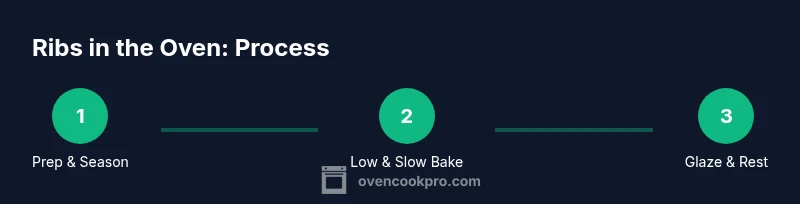
- Finish with glaze and rest before slicing
- Monitor doneness with a thermometer and feel