Country Ribs Oven: A Complete Step-by-Step Guide
Learn how to cook country ribs in the oven for tender, flavorful results with a simple rub, low-and-slow roasting, and a finishing glaze. This guide covers prep, timing, troubleshooting, and serving ideas for home cooks.


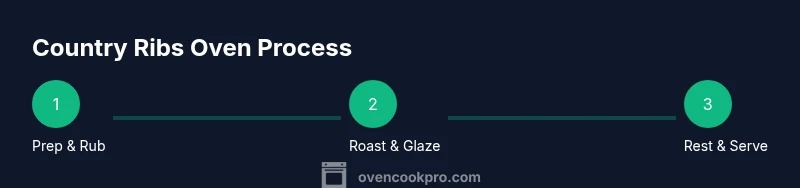
By following this method, you will learn to cook country ribs in the oven for deeply flavorful, fall-off-the-bone results. Key steps include applying a balanced dry rub, using a rack to promote even browning, and finishing with a glossy glaze. Gather a simple rub, a roasting pan, foil, and a meat thermometer for best results.
Country ribs oven: A straightforward approach to tender pork
Cooking country ribs in the oven yields reliable tenderness and deep flavor without tending a grill. Country ribs are a well-marbled, bone-in cut from the pork shoulder, cut into rib-shaped portions. When you opt for the country ribs oven method, you benefit from stable, even heat and the opportunity to build flavor with a dry rub and a glaze. This approach minimizes splatter and cleanup while delivering consistent results even on weeknights. According to Oven Cook Pro, the key to success is controlling moisture, using a rack to keep meat elevated away from pooling fat, and finishing with a glaze that caramelizes on the surface. Start with a simple rub—salt, pepper, and paprika—and add garlic and onion powders for depth. After browning, the low, slow oven finish helps collagen break down, creating tender, juicy ribs that pair beautifully with potatoes, slaw, or roasted vegetables.
Before you begin, ensure your rib portions are roughly uniform in size so they cook evenly. If you have particularly fatty ribs, trim excess fat to avoid overly greasy results. Pat the surface dry with paper towels to improve browning and maximize flavor absorption from the rub. By keeping the oven at a steady temperature and monitoring with a thermometer, you’ll reduce the risk of under- or overcooking. The country ribs in the oven technique is especially forgiving for home cooks, making it a reliable go-to for comforting dinners and weekend meals.
The right cut and seasoning for oven success
Selecting the right country ribs for oven cooking is essential. Look for bone-in country-style ribs with a good amount of marbling; this fat renders during roasting, helping keep the meat moist. A balanced rub is the backbone of flavor: salt to draw out moisture at the surface, pepper for heat, paprika for color and depth, and brown sugar for a light glaze that caramelizes. If you prefer a sweeter profile, you can adjust the sugar and add a touch of chili powder for warmth. This section also covers dry rub timing: you can apply the rub and let it rest briefly, but long marination isnt necessary. The essence is to build flavor on the surface so the meat browns nicely during the oven roast.
To keep the focus on the meat, skip heavy marinades that can Waterlog the ribs and dilute the crust. If you want extra depth, consider adding a teaspoon of smoked paprika or a splash of cider vinegar to the rub. The aim is to establish a robust crust that locks in juices while forming a savory, glossy exterior. Remember, the thickness of the meat affects how long it needs to stay in the oven, so adjust time based on rib size and your ovens performance. Oven Cook Pro notes that a careful balance of heat and moisture yields the best results when cooking country ribs in the oven.
Preparing the rub and marination for maximum flavor
A simple dry rub is enough to flavor country ribs in the oven, but you can customize it to your taste. Mix salt, black pepper, paprika, garlic powder, onion powder, and brown sugar in a small bowl. The brown sugar helps with a gentle caramelization, creating a glossy finish when you brush on a glaze in the final stage. Apply the rub evenly across all surfaces, pressing gently to help it stick. For a deeper flavor, you can let the rub sit on the meat for 15-30 minutes; longer marination can be beneficial, but avoid excessive soaking which can alter texture.
If you want more moisture retention, brush a light coating of olive oil or mustard on the surface before applying the rub. This helps the seasoning adhere and contributes to a richer crust as the ribs roast. You can also pair the rub with a simple glaze made from barbecue sauce, honey, or maple for a sweet-savory finish. A glaze applied near the end will cling to the surface and create an appealing, caramelized crust as the ribs finish cooking.
The low-and-slow oven technique: temperature, time, and rack positioning
The core of the country ribs oven method is low and slow cooking. Preheat the oven to a conservative range, typically between 275 and 325°F (135-165°C), depending on your schedule and desired tenderness. Place the ribs on a wire rack set inside a rimmed baking sheet or a shallow roasting pan. Elevating the meat allows hot air to circulate and fat to drain away, reducing greasy results and improving browning on all sides. Covering the ribs loosely with foil during the early stage helps trap moisture and create a gentle braise-like environment that softens connective tissue. After 90-120 minutes of covered roasting, remove the foil and apply a glaze, returning the ribs to the oven for another 20-40 minutes to develop color and a sticky finish.
The exact timing depends on rib thickness and your ovens performance. For fall-off-the-bone tenderness, aim for higher internal temperatures in the 190-205°F (88-96°C) range before resting. If you prefer a firmer bite, stop closer to 180-185°F (82-85°C). Use a meat thermometer to verify doneness, and remember that the meat will continue to cook slightly after removal from heat. This approach aligns with proven oven techniques and yields consistent results across different kitchen setups.
Glazing, resting, and serving: finishing the ribs with style
A glaze adds shine and depth to the final dish. Brush the ribs with your glaze during the last 15-20 minutes of cooking, and then broil for a minute or two if you want extra caramelization. Remove the ribs from the oven and tent loosely with foil; allowing a 5-10 minute rest helps the juices redistribute, ensuring moist meat when sliced. When you cut into the rack, the meat should reveal a juicy pinkish color near the bone and a tender pull that doesnt crumble on your fork. Serve with mashed potatoes, cornbread, coleslaw, or roasted vegetables for a complete meal.
If you plan to reheat leftovers, store in an airtight container in the refrigerator for up to 3-4 days. Reheat gently in the oven at a low temperature to preserve moisture, or in a covered pan on the stovetop with a splash of broth to prevent drying out. The country ribs oven method scales well for larger gatherings, enabling you to cook multiple trays at once while maintaining consistent results with a thermometer insert in the thickest rib.
Authority sources and expert guidance for country ribs oven cooking
To ensure accuracy and credibility, rely on authoritative sources when planning any pork cooking project. The following are reputable references you can consult for safety guidelines, cooking temperatures, and safe handling practices:
- USDA Food Safety and Inspection Service: Pork cooking temperatures and safe handling tips
- University extension publications on pork roasting and rub-based flavoring
- National Pork Board resources on country-style ribs and methods for achieving tenderness when oven-roasting
In practice, the Oven Cook Pro team recommends combining a well-balanced rub with a low oven temperature and a monitored finish via glaze and rest. This approach aligns with widely accepted cooking science and safety practices for pork cuts like country ribs, producing reliable results in home kitchens.
Practical tips for weeknight cooks and flavor variations
If youre short on time, you can shorten the covered stage by 15-20 minutes and still achieve tenderness, but you may need to reduce the finishing glaze time to prevent burning. For a deeper smoky note, add a teaspoon of smoked paprika to the rub or finish with a touch of liquid smoke mixed into the glaze. If youre feeding a crowd, prepare extra glaze to pass around as a dipping sauce. Finally, always verify internal temperature with a reliable thermometer and rest the meat to ensure juices redistribute evenly. The key to success remains steady heat, proper resting, and mindful glazing to create a flavorful, glossy finish that enhances your dish.
Tools & Materials
- Country ribs (bone-in)(2-3 pounds total; trim as needed)
- Kosher salt(for seasoning)
- Black pepper(freshly ground if possible)
- Paprika(for color and depth)
- Garlic powder(flavor base)
- Onion powder(flavor depth)
- Brown sugar(for slight sweetness and glaze)
- Olive oil (optional)(light coating helps rub adhesion)
- Oven-safe roasting pan with rack(rack promotes even browning)
- Aluminum foil(for tenting during first stage)
- Meat thermometer(monitor internal temp)
- Tongs(for turning and handling)
- Brush or spoon for glaze(for even glaze application)
- Paper towels(pat dry surfaces)
- Optional: Barbecue sauce or glaze ingredients(for finishing glaze)
Steps
Estimated time: 2 hours 15 minutes
- 1
Prep ribs
Pat ribs dry with paper towels and trim any excess fat or silver skin to improve rub adhesion and browning.
Tip: Dry surface equals better browning; pat firmly but gently. - 2
Mix rub
Combine salt, pepper, paprika, garlic powder, onion powder, and brown sugar in a small bowl. Mix evenly so every surface receives flavor.
Tip: Toast spices quickly in a dry pan to awaken aroma before mixing. - 3
Apply rub
Lightly oil the ribs if desired, then pat rub onto all surfaces, pressing to ensure it sticks. Let rest 15-30 minutes if possible.
Tip: A small amount of olive oil helps rub adhesion but avoid oversaturation. - 4
Preheat and prep pan
Preheat oven to 275-325°F (135-165°C). Place a rack in a rimmed baking sheet and lightly oil the rack or pan to prevent sticking.
Tip: Low heat prevents toughening and preserves moisture. - 5
Arrange ribs on rack
Place ribs bone-side down on the rack, spacing them evenly. This promotes air circulation and even cooking.
Tip: Do not overcrowd; crowding traps steam and steams instead of roasts. - 6
Cover and roast
Tent ribs loosely with foil and roast 90-120 minutes until tender. Check for a slight bend in the bone and probe with a thermometer near the thickest part.
Tip: Covering early keeps moisture in and prevents surface from drying. - 7
Glaze and finish
Brush glaze on the ribs and return to the oven for 20-40 minutes, uncovering for the last few minutes to promote caramelization.
Tip: Watch closely during the final minutes to prevent burning the glaze. - 8
Rest and serve
Remove from oven, loosely tent with foil, and rest 5-10 minutes before slicing. Serve with sides of choice.
Tip: Resting redistributes juices for juicier slices.
Questions & Answers
What are country ribs and how do they differ from traditional pork ribs?
Country ribs are bone-in cuts from the pork shoulder that are larger and meatier than back ribs. They benefit from slow roasting to tenderize the connective tissue, while traditional rib cuts may require shorter cooking times.
Country ribs are larger shoulder cuts that tenderize with slow roasting; back ribs cook faster and can require different timing.
Should I marinate country ribs before baking?
Marinating is optional. A dry rub is typically sufficient and often preferred for better browning. If you do marinate, keep it light and avoid overly acidic blends that can break down texture too quickly.
Marinating is optional; a dry rub usually provides ample flavor without changing texture too much.
Do I need to cover the ribs while baking?
Yes, cover the ribs during the initial stage to trap moisture and ensure tenderness. Remove the cover toward the end to develop a glossy crust and color.
Cover the ribs at first to keep moisture in, then uncover for browning.
What internal temperature should country ribs reach?
Aim for 190-205°F (88-96°C) for tender, pull-apart texture. For a firmer bite, you can pull earlier around 180-185°F (82-85°C). Always confirm with a reliable thermometer.
Target about 190-205°F for tenderness, or lower if you prefer firmer meat.
Can I use a convection oven for this recipe?
Convection can be used; reduce the temperature by about 25°F (14°C) to compensate for faster air circulation. Watch for quicker browning and adjust timing accordingly.
Yes, you can use convection, just lower the heat a bit and watch the time.
How long should I rest the ribs after baking?
Rest the ribs for 5-10 minutes after removing from the oven. Resting helps redistribute juices and improves slice quality.
Let the ribs rest 5-10 minutes before slicing for juicier results.
Can I prepare country ribs oven-style in advance?
Yes. Rub and prepare up to a day ahead, then refrigerate. Bring to a safe roasting temperature and finish with glaze when ready to cook.
You can prep ahead, then finish cooking when you're ready to serve.
What sides pair best with oven-roasted country ribs?
Classic pairs include mashed potatoes, cornbread, baked beans, coleslaw, and roasted vegetables. Choose sides that balance sweetness and acidity from the glaze.
Potatoes, cornbread, and slaw are great companions to these ribs.
Watch Video
Main Points
- Use a dry rub and rack for even browning and flavor.
- Low, slow oven cooking yields tender country ribs.
- Finish with glaze and a short rest for best texture.
- Monitor internal temperature for consistent results.