How to Cook a Pork Loin in the Oven: A Detailed Guide
Learn how to roast a pork loin in the oven with expert guidance from Oven Cook Pro. This comprehensive guide covers prep, searing (optional), roasting, doneness, resting, and delicious serving ideas for juicy, safe results.


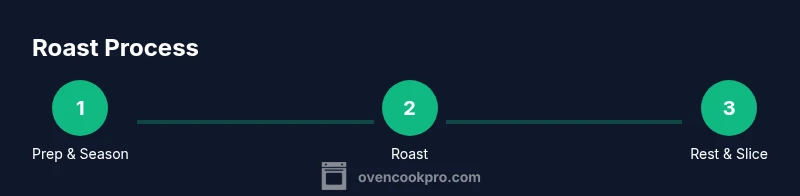
According to Oven Cook Pro, you can achieve juicy, reliably cooked pork loin in the oven by following a simple sequence: preheat, season, roast, rest, then slice. Start with a moderate oven around 350°F, rub with oil and spices, and roast until the center reaches 145°F. Let the meat rest 5-10 minutes before carving for optimal juiciness.
Why oven roasting yields juicy pork loin
Oven roasting delivers moisture retention and a flavorful crust by surrounding the meat with even heat. This method minimizes drying out compared to pan-frying, while still developing a rich exterior. Oven Cook Pro's approach emphasizes dry-brining and proper rest to maximize juiciness. A well-roasted loin is tender, juicy, and slices cleanly for plates or sandwiches. The technique leverages predictable heat distribution in home ovens, making it suitable for weeknight dinners and holiday roasts alike. By controlling surface moisture, browning, and internal temperature, you consistently produce a superior result that stays tender from first slice to the last. Remember: quality starts with the loin you choose and ends with the rest that follows the roast.
Choosing the right pork loin for roasting
Start with a boneless loin for uniform thickness or bone-in for extra flavor and a lacquer of juices that come from the bone as it roasts. Check for even thickness, a firm texture, and a light pink color. Avoid loin that looks pale, grey, or excessively wet. The weight matters: a 2- to 4-pound loin will roast faster and more evenly, while larger roasts require more time and attention to internal temperature. If you’re unsure about quality, ask your butcher for a center-cut loin with minimal connective tissue. This ensures a cleaner slice and reduces the risk of dry edges. Look for a nice cap of fat that will baste the meat as it renders, aiding flavor without overwhelming the lean muscle.
Seasoning and flavor ideas
Seasoning is your first line of flavor. A simple dry rub of kosher salt, black pepper, and a touch of garlic powder anchors the meat’s natural sweetness. For a more aromatic profile, add dried herbs like thyme or rosemary and a hint of smoked paprika. If you prefer, you can brush on olive oil and a quick glaze in the last 10 minutes. Marinades are optional for oven roasting; if you use one, keep acidity moderate to prevent toughness. Dry-brining overnight can deepen flavor and ensure a crisper crust when roasting. For bright contrast, finish with a squeeze of lemon or a dab of herb butter just before serving.
Preheating, pan prep, and equipment
Preheat your oven to 350–375°F (177–190°C). A wire rack set inside a rimmed baking sheet allows air to circulate around the roast for even browning. Use an oven-safe roasting pan with a rack, and line with foil for easier cleanup. Pat the loin dry with paper towels to remove surface moisture; moisture on the surface inhibits browning. If your loin is rolled, tie it with kitchen twine at 1–2 inch intervals to maintain uniform shape during roasting. A good thermometer, a sharp knife, and a sturdy cutting board round out the essential toolkit.
Searing: to brown or not to brown
Searing is optional but adds a pleasing crust and richer color. Quick pan-searing over high heat for 1–2 minutes per side seals juices and jump-starts browning. If you prefer, you can skip this step and rely on oven heat alone; just ensure a dry surface and proper heat distribution. If you do sear, transfer the pan to the oven to continue roasting. The goal is a crust that enhances texture without sealing in moisture. For best results, use a well-seasoned skillet and avoid overcrowding to prevent steaming.
Temperature, time, and doneness
Roast the loin until the internal temperature reaches 145°F (63°C) in the center, as measured with a reliable meat thermometer. Total time varies with size, but a rough guide is 20–25 minutes per pound at 350°F for boneless loin. Resist the urge to overcook, which leads to dry meat. Start checking earlier if the loin is thinner than 2 pounds or if you’re using a glaze that can mask doneness. Remember to insert the thermometer into the center of the thickest part, not touching bone. Once you hit target, remove promptly and proceed to rest.
Resting, carving, and serving
Let the roast rest for 5–10 minutes after removing it from the oven. Resting allows juices to redistribute, making slices easier and more flavorful. Carve across the grain in thick, even slices for tenderness. If you used a glaze, drizzle it over slices just before serving. For serving, pair the pork with roasted vegetables, mashed potatoes, or a crisp green salad to balance the richness. Slice with a sharp chef’s knife for clean, uniform portions and minimal effort.
Roasted vegetables and sides that pair well
Classic accompaniments include garlic-roasted potatoes, carrots, and Brussels sprouts. Toss vegetables in olive oil, salt, and pepper, then roast on a separate sheet until tender and caramelized. A simple gravy or pan sauce made from the fond in the roasting pan adds moisture and depth. For lighter options, serve with a citrus salsa or a yogurt-herb dressing that brightens the meat's richness. Balanced sides enhance both flavor and presentation, turning a simple roast into a full meal.
Troubleshooting common issues
If the loin looks gray or dry, you probably overcooked it or started with meat that wasn’t properly patted dry. If it is thick and undercooked in the center, give it more time and use a thermometer to avoid guessing. If the crust is pale, raise the oven temperature for the last 5–10 minutes or brush with oil or glaze to finish browning. Always rest the meat to improve juiciness. If the loin develops a strong gamey smell, you may be near the end of its shelf life and should discard.
Variations and make-ahead options
Experiment with different flavor profiles—garlic-parsley, rosemary–lemon, or chili-lime rubs—to suit your meal. For make-ahead meals, season and refrigerate the loin overnight, then roast the next day. You can also prepare a simple pan gravy ahead of time and rewarm with the sliced roast. If you prefer a one-pan meal, add root vegetables to the roasting pan and cook together, adjusting time for the thickest item. This flexibility makes oven-roasted pork loin a staple for busy weeks.
Tools & Materials
- Meat thermometer (instant-read preferred)(Target 145°F (63°C) for pork; check center.)
- Oven-safe roasting pan with rack(Elevates meat for even heat circulation.)
- Aluminum foil(Cover for resting if needed or to tent loosely.)
- Chef's knife or carving knife(For clean slicing after resting.)
- Kitchen twine(Use if loin is rolled to maintain shape.)
- Olive oil or neutral oil(Lightly coat surface for browning.)
- Kosher salt and black pepper(For basic seasoning.)
- Optional flavor boosters (garlic, herbs)(Fresh or dried as desired.)
- Vegetables for roasting (optional)(Carrots, potatoes, Brussels sprouts work well.)
Steps
Estimated time: 70-105 minutes
- 1
Pat dry and season the loin
Pat the pork dry with paper towels to remove surface moisture. If tied, ensure the twine holds the loin evenly, then rub with oil and a salt-pepper-herb mix. This creates a dry surface that browns beautifully in the oven and ensures the seasoning sticks.
Tip: Dry surface = better browning; don’t skip patting dry. - 2
Preheat oven and prepare pan
Preheat to 375°F (190°C) and set up a rack inside a rimmed pan. A hot start reduces the time to reach doneness and promotes crisp edges. Place the rack so air can circulate around the roast for even cooking.
Tip: Preheating now saves you from waiting later and helps browning. - 3
Sear the roast (optional)
Sear the loin 1–2 minutes per side in a hot skillet to develop color and flavor. If you skip searing, proceed directly to roasting after drying the surface. Transfer the meat to the rack in the pan if you did sear.
Tip: Searing is optional but yields a nicer crust. - 4
Roast and monitor doneness
Roast until the internal temperature reaches 145°F in the center. Check early and frequently after the 40-minute mark for larger loins. Remove promptly once reached to avoid overcooking.
Tip: Use the thickest part for an accurate reading. - 5
Rest before slicing
Let the pork loin rest, tented loosely with foil, for 5–10 minutes. Resting redistributes juices, ensuring juicy slices. Do not skip this step, as it dramatically improves texture.
Tip: Even a short rest makes a noticeable difference. - 6
Carve and serve
Slice across the grain into even portions. If you used a glaze, apply to slices just before serving. Pair with roasted veg and a light gravy or pan sauce.
Tip: Slice after resting for best juiciness. - 7
Make-ahead and storage
Store leftovers in an airtight container in the fridge for 3–4 days. For quick meals, slice ahead and refrigerate; reheat gently to avoid drying.
Tip: Cool and refrigerate within two hours of cooking. - 8
Sauces and glaze ideas
Prepare a quick pan gravy from the roasting fond or whisk in a little stock with mustard or herbs for a bright finish. A glaze at the end can add sweetness or tang without overpowering the pork.
Tip: Deglaze with stock to capture all flavor from the pan.
Questions & Answers
What is the safe internal temperature for pork loin?
The USDA recommends cooking pork loin to 145°F (63°C) and letting it rest for 3 minutes before slicing.
Cook pork loin to 145 degrees, then rest briefly before slicing.
Is bone-in or boneless pork loin better for roasting?
Bone-in roasts can add flavor and moisture, while boneless loins roast more evenly and are easier to carve.
Bone-in adds flavor; boneless is easier to carve.
Should I sear the pork loin before roasting?
Searing is optional but creates a richer crust. If you prefer a simpler method, you can skip it.
Searing is optional but adds crust.
How long should I rest the pork after roasting?
Rest the roast for 5–10 minutes to let juices redistribute and improve slicing.
Rest for 5–10 minutes.
Can I roast a frozen pork loin?
Roasting from frozen is not recommended. Thaw the meat first for even cooking and better texture.
Thaw before roasting for even cooking.
What sides pair best with roasted pork loin?
Roasted potatoes, carrots, greens, or a light gravy complement the pork well.
Pair with roasted potatoes and greens.
Watch Video
Main Points
- Preheat and pat dry for even browning.
- Use a thermometer for precise doneness.
- Rest the roast 5–10 minutes before slicing.
- Slice against the grain for tender portions.
- Pair with vegetables and a light pan sauce.