How to Cook Pork Tenderloin in the Oven
Master the art of pork tenderloin in oven with a reliable, step-by-step method. Learn prep, seasonings, roasting temps, resting, and troubleshooting for consistently juicy, evenly cooked pork.


You will learn how to cook pork tenderloin in oven to juicy, evenly cooked results. This guide covers preparation, seasoning, whether to sear, roasting temperature, rest time, and simple troubleshooting. Whether you’re cooking a 1-pound loin or a larger roast, you’ll get reliable, flavorful results with minimal effort. Expect a crisp exterior and a tender, pink-tinged center.
Why pork tenderloin in oven is a great choice
Pork tenderloin in oven is a lean, versatile cut that roasts quickly and evenly. When prepared with a light hand on the salt and a complementary rub, it delivers a juicy interior with a caramelized crust. The method scales from a small 1-pound loin to larger roasts by adjusting time rather than technique. According to Oven Cook Pro, purposefully dry surface and a precise resting period are two of the simplest ways to maximize juiciness and flavor in every slice.
By roasting in the oven, you achieve consistent results without needing fancy equipment or complicated steps. The low-fuss approach makes pork tenderloin a reliable weeknight option, while still offering room for experimentation with herbs like garlic, rosemary, and thyme. The balance of lean meat and flavorful seasoning makes this cut ideal for a weeknight dinner or a special-occasion meal.
Selecting the right pork tenderloin
Choose a center-cut pork tenderloin that weighs about 1 to 1.5 pounds (450–700 g) for a typical two-person meal. Look for a uniform cylinder with even thickness and minimal visible fat. Avoid packages with obvious unevenness or a strong odor. If your loin is thicker on one end, consider tying it with butcher’s twine so it roasts evenly. Trim away any silver skin for better texture and quicker browning. A shorter loin will cook faster; plan accordingly and use an instant-read thermometer to verify doneness.
Tools, ingredients, and mise en place
Before you start, gather the essentials: an instant-read thermometer, a roasting pan with a rack, aluminum foil for tenting, a sharp chef’s knife, tongs, a carving board, and paper towels for patting dry. For flavor, you’ll need salt, black pepper, olive oil, and a simple herb rub (garlic, rosemary, thyme) or a ready-made pork seasoning blend. Having everything measured and close at hand reduces time in the hot oven and helps you stay focused on doneness.
Flavor profiles and seasoning ideas
Pork tenderloin pairs well with garlic, lemon, herbs, and a touch of sweetness. A classic herb rub blends minced garlic, chopped rosemary, salt, pepper, and a drizzle of olive oil. For a bolder profile, try smoked paprika, ground cumin, and a touch of honey or maple syrup to aid browning. If you prefer a bright finish, finish with a squeeze of lemon and a sprinkle of chopped parsley after resting. The rub should cover the surface evenly to promote uniform browning.
Temperature, time, and doneness guidance
Roasting is most reliable when you start with a hot oven: 425°F (220°C) is a good baseline for even browning and a juicy center. Plan for about 20-25 minutes of roasting for a 1–1.2 lb loin, though thickness matters. Use an instant-read thermometer to aim for 140–145°F (60–63°C) before resting. Remove from the oven at the target temperature and let it rest, as carryover heat will finish the job to a safe, juicy finish. Resting for 5–10 minutes improves juiciness and slice cleanly.
Step-by-step cooking method (overview)
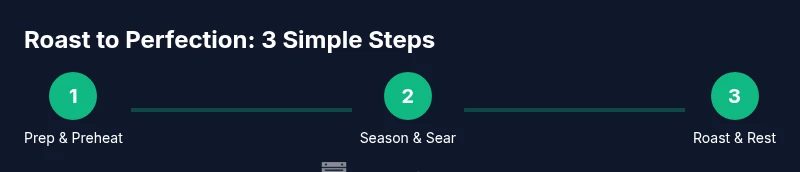
- Preheat the oven to 425°F (220°C) and pat the loin dry. Patience with drying yields a better crust.
- Rub the meat evenly with salt, pepper, and your chosen aromatics.
- (Optional) Sear in a hot skillet for 1–2 minutes per side for color and flavor.
- Roast on a rack in a pan until the internal temperature reaches 140–145°F (60–63°C).
- Remove and rest for 5–10 minutes, then slice against the grain.
- Serve with pan juices or a simple herb vinaigrette for brightness. Pro tip: use a thermometer to prevent overcooking, and rest to finish the job with residual heat.
Resting, carving, and serving
Resting after roasting is crucial for juiciness. Tent the meat loosely with foil and let it rest 5–10 minutes. Carve the loin into thin, even slices against the grain to maximize tenderness. Serve with a light pan sauce, steamed vegetables, or a starch like mashed potatoes or roasted potatoes. For a weeknight meal, portion leftovers for quick lunches, adding a fresh herb garnish for color.
Storing leftovers and reheating tips
Leftover pork tenderloin keeps well in the refrigerator for 3–4 days when stored in airtight containers. Reheat gently in a skillet over low heat with a splash of broth or water, or slice and warm briefly in a microwave with a cover to prevent drying. Freeze portions for longer storage, ideally within 1–2 months. Thaw overnight in the fridge before reheating for best texture.
Troubleshooting and common mistakes
Common issues include dry meat, uneven doneness, and lack of browning. Start with patting dry the surface to improve browning, and avoid overcooking by using a thermometer. If the center seems underdone but the outside is browned, tent and finish at a slightly lower heat or reduce roast time and rely on carryover heat. If the meat is pale, consider a longer resting period and a light glaze to enhance color.
Tools & Materials
- Instant-read meat thermometer(Probe should reach 145°F (63°C) in the thickest part)
- Roasting pan with rack(Elevates meat for even air circulation)
- Oven-safe carving board(For resting and slicing)
- Aluminum foil(To tent meat during rest if needed)
- Sharp chef’s knife(For clean carving)
- Tongs and a fork(For turning and checking doneness)
- Paper towels(Pat dry and cleanup)
- Optional: cast-iron skillet(Can be used to sear before roasting)
Steps
Estimated time: 40-60 minutes
- 1
Preheat oven and prepare loin
Preheat the oven to 425°F (220°C). Pat the pork dry with paper towels, trim any silver skin, and lightly oil the surface. Dry surfaces brown better and help the rub adhere, improving crust.
Tip: Dry surfaces for better browning. - 2
Season the pork tenderloin
Season evenly with salt, pepper, and your chosen aromatics (garlic, rosemary, thyme). If using a rub, pat it on so it sticks without clumping.
Tip: Even coating ensures uniform flavor. - 3
Optional sear for color
In a hot skillet with a small amount of oil, sear the loin 1–2 minutes per side to develop a rich crust. This step is optional but adds depth of flavor.
Tip: Searing is not required but enhances appearance and taste. - 4
Roast on a rack
Transfer the loin to a rack over a baking sheet and roast until the internal temperature reads 140–145°F (60–63°C).
Tip: Use a thermometer for precision. - 5
Rest to finish
Remove from oven and tent loosely with foil. Rest 5–10 minutes to allow juices to redistribute.
Tip: Resting prevents a dry slice. - 6
Slice and serve
Slice against the grain into thin rounds to maximize tenderness. Serve with pan juices or a light sauce.
Tip: Slice after resting for best texture.
Questions & Answers
What is the recommended internal temperature for pork tenderloin in the oven?
Target 145°F (63°C) with a 3-minute rest. Remove from heat at 140–145°F and let carryover heat finish the process.
Aim for 145 degrees, then rest a few minutes to finish cooking.
Should I sear before roasting?
Searing adds color and depth of flavor and can improve crust, but it is optional if you prefer a quicker route.
Searing is optional but helps color and flavor.
Can I cook pork tenderloin from frozen?
Cooking from frozen is not ideal. Thaw first for more even doneness; if you must, extend cooking time and monitor doneness closely.
Thaw first for best results; otherwise expect longer cooking and uneven doneness.
What herbs pair well with pork tenderloin?
Garlic, rosemary, thyme, and a touch of smoked paprika or lemon zest pair beautifully with pork tenderloin.
Garlic, rosemary, thyme, and paprika work great.
How long should I rest the meat after roasting?
Rest the pork for 5–10 minutes after removing from the oven to keep it juicy and tender.
Rest for five to ten minutes before slicing.
How can I tell if a roast is done without a thermometer?
This is less reliable, but you can look for a slight pink center and juices that run clear when sliced. A thermometer is strongly recommended.
Use a thermometer for accuracy; visual checks are less reliable.
Watch Video
Main Points
- Preheat properly for reliable browning.
- Use a thermometer to hit 140–145°F.
- Rest before slicing to preserve juiciness.
- Season evenly for consistent flavor.
- Searing is optional but enhances color and depth.