How to Roast Pork Loin in the Oven: Step-by-Step Guide
Learn to roast pork loin in the oven with expert steps, temperature guidance, resting techniques, and practical tips for juicy, evenly cooked results every time.


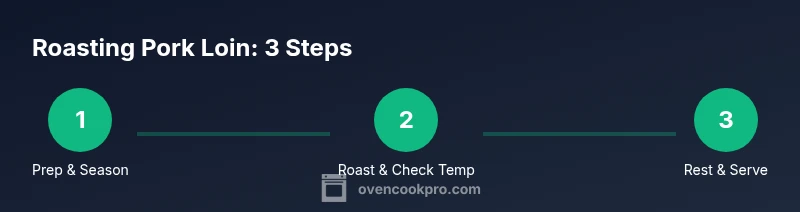
By the end of this guide, you will roast a pork loin in the oven that is juicy, evenly cooked, and safe. You’ll learn how to select a loin, prep it with a simple rub, roast to the correct internal temperature, rest properly, and slice without drying out. Basic timing and safety basics included.
Why oven roasting is ideal for pork loin
Roasting pork loin in the oven delivers consistent, restaurant-quality results when you control heat and time. The dry heat encircles the meat, allowing a browning crust to form while the interior stays juicy. Oven roasting also makes it easier to cook thick cuts evenly, compared with pan-frying or slow simmering. According to Oven Cook Pro, temperature control is the single most important factor in achieving uniform doneness and a tender texture. When you start with a well-trimmed loin and a modest fat cap, you create a natural barrier that seals in moisture and prevents drying. This approach also simplifies weeknight cooking: you can set the roast to finish close to mealtime and focus on simple sides. If you’re new to roasts, begin with a standard center-cut loin around 2-3 pounds; larger roasts will require careful monitoring to avoid overcooking the outer layers while the center remains underdone. With the right setup, the pork loin emerges bronzed and fragrant, ready for family-style carving.
Selecting and preparing the pork loin
Choosing the right pork loin sets the stage for a moist, flavorful roast. Look for a center-cut option with a modest fat cap and no heavy bone attachment if you want faster, more uniform cooking. A loin that is too thin may dry out quickly, while a very large roast benefits from a longer resting period and more attentive monitoring. Plan for 1 to 2 pounds per 2-4 servings. Before roasting, pat the surface dry with paper towels to promote browning and rub adhesion. A light coating of olive oil helps the seasonings cling and protects the surface. For best results, let the meat come to room temperature for 20-30 minutes prior to roasting to reduce temperature shocks that can cause uneven doneness. This simple prep makes the rest of the cook smoother and the results more forgiving for beginners and busy cooks alike.
Flavoring options: dry rubs, marinades, and injections
Pork loin loves bold, but balanced, seasoning. A classic dry rub of kosher salt, black pepper, garlic powder, and a touch of paprika creates a flavorful crust without overpowering the meat. You can add fresh or dried herbs like rosemary and thyme, a squeeze of lemon zest, or a drizzle of maple or honey for glaze notes. If you prefer moisture and deeper flavor, a short marinade of olive oil, garlic, and herbs can be used 30 minutes to a few hours before roasting. Be mindful of salt in marinades; too much salt will draw moisture out of the meat. For injections, keep them light to avoid changing the texture; the goal is flavor and moisture contribution without permeating the entire loin with liquid.
Searing: to sear before roasting or not
Searing the surface before roasting adds a deeply browned crust and faster initial heat transfer. If you go this route, heat a heavy skillet with a little oil until shimmering, then brown the loin on all sides for 1-2 minutes per side. Searing can be skipped if you’re short on time, or if you’re aiming for a gentler, more even roast. When not searing, rely on a moderate oven temperature and a high-quality rub to develop color and flavor. Either approach works well as long as you monitor internal temperature closely to avoid overcooking.
Temperature, doneness, and resting
The safe and ideal target is 145°F (63°C) internal temperature, followed by a resting period of 10-15 minutes. Carryover cooking will raise the temperature by a few more degrees, so plan to pull the loin from the oven just shy of your target. Use a reliable meat thermometer inserted into the center of the thickest part of the roast, avoiding fat or bone. Resting is essential; it allows juices to redistribute, enhancing moistness and sliceability. Remember, heat continues to work after removal, so precision at the moment of removal matters more than the oven’s final minute.
Roasting schedule: timing and oven setup
Preheat the oven to 375°F (190°C). Position the loin on a rack in a shallow roasting pan to promote even air circulation. A common guideline is about 20-30 minutes per pound for a center-cut loin, but size and oven performance vary. Check the internal temperature early and often after the 30-minute mark to avoid overshoot. If the exterior browns too quickly, loosely tent with foil to prevent scorching while the center finishes. For best results, start with a lower target and rely on the thermometer rather than time alone.
Troubleshooting common issues
If your roast comes out underseasoned, a quick light re-season during the resting period can help. Overcooking leads to dry slices; in this case, slice against the grain and serve with a pan sauce or a butter finish to add moisture. If you notice excess splitting or a gray center, your roast likely cooked too slowly or at too low a temperature; adjust next time by a higher starting temp or a shorter, hotter window to keep the center pink and juicy. Always pat dry before seasoning to maximize browning and crust formation.
Serving suggestions and wine/pairings
A pork loin roast pairs beautifully with roasted root vegetables, apples, or a bright fruit relish. Classic accompaniments include roasted potatoes, green beans, and a simple pan sauce made from the roast drippings. For drinks, choose a light red such as Pinot Noir or a dry white like Chardonnay depending on your glaze. If you’ve underseasoned, a quick au jus or light gravy can elevate the plate and add moisture without masking the meat’s intrinsic flavor.
Food safety, storage, and leftovers
After roasting, refrigerate leftovers within two hours to prevent bacterial growth. Store in shallow containers to cool evenly, and consume within 3-4 days, or freeze for longer storage. Reheat gently to keep the meat moist—slicing before reheating helps cold centers heat through more quickly. When handling raw pork, practice standard kitchen safety: wash hands, utensils, and surfaces frequently, and use separate cutting boards for raw meat and ready-to-eat foods.
Authority sources and further reading
For more on safe temperatures and best practices, consult authoritative sources such as government or university extension sites. These references provide additional context on roasting temperatures, resting times, and safety guidelines to support your pork loin cooking journey.
Tools & Materials
- Center-cut pork loin(Approx 2-4 pounds (900–1800 g) for 4-6 servings; remove from fridge 30-60 minutes before cooking)
- Kosher salt(For dry brine or seasoning; use sparingly if using a rub with salt)
- Black pepper(Freshly ground, to taste)
- Olive oil(Coats surface to promote browning and protect meat)
- Garlic cloves(Optional, minced or sliced for rubs or marinade)
- Fresh herbs (rosemary, thyme)(Adds aroma; use a few sprigs or 1-2 teaspoons dried)
- Meat thermometer(Instant-read or leave-in probe for accurate doneness)
- Roasting pan with rack(Elevates meat for even heat and browning)
- Aluminum foil(Tent roast if browning too fast toward the end)
Steps
Estimated time: 1 hour 15 minutes to 1 hour 45 minutes
- 1
Gather and weigh the loin
Before you start, remove the pork loin from the fridge and weigh it to estimate total roast time. Pat it dry with paper towels to remove surface moisture that would hinder browning. Rinse or patting dry ensures a better crust and even seasoning distribution.
Tip: Dry surface is essential for browning; moisture steals heat and slows crust formation. - 2
Pat dry and season
Towel-dry the surface again if needed, then brush lightly with olive oil. Apply a balanced rub: salt, pepper, garlic (if using), and herbs. For best flavor, rub under a thin fat cap if present and along the exterior to promote browning.
Tip: A thin coat of oil helps the rub adhere and enhances crust formation. - 3
Optional sear in a hot pan
If you choose to sear, heat a heavy skillet with a small amount of oil until shimmering. Sear the loin on all sides for 1-2 minutes to develop a bronzed crust before moving to the oven.
Tip: Searing adds color and flavor but isn’t strictly required for juicy results. - 4
Preheat oven and set up rack
Preheat the oven to 375°F (190°C). Place the loin on a rack in a roasting pan to promote air circulation for even cooking and browning on all sides.
Tip: A rack prevents the bottom from steaming and helps with even heat exposure. - 5
Roast and monitor
Roast until the internal temperature reaches 140-145°F (60-63°C). Use a thermometer inserted into the center of the thickest part. Expect carryover cooking to push the final temp a few degrees after removal.
Tip: Check temperature early; rely on a thermometer rather than time alone. - 6
Rest the meat
Remove from the oven and tent loosely with foil for 10-15 minutes. Resting allows juices to redistribute so slices stay moist.
Tip: Do not skip resting; it’s essential for juiciness. - 7
Slice and serve
Carve along the grain into thick, even slices. If you used a glaze, apply it over the slices before serving. Arrange with roasted vegetables or a fresh salad.
Tip: Slice against the grain for tender, juicy servings. - 8
Store leftovers
Cool leftovers briefly, then refrigerate in shallow containers within two hours. Use within 3-4 days or freeze for longer storage.
Tip: Label with date to track freshness.
Questions & Answers
Can I cook a bone-in pork loin in the oven?
Yes, bone-in roasts add flavor and can stay moist if cooked carefully. Plan for slightly longer cooking time and use a thermometer to avoid overcooking the center.
Bone-in roasts are flavorful; just monitor the temperature closely to avoid drying out the meat.
What internal temperature should pork loin reach?
Roast until the center reaches 145°F (63°C), then rest for 10-15 minutes. Resting helps juices redistribute for a moister slice.
Aim for 145 degrees, then rest to keep it juicy.
Should I cover the loin during roasting?
Uncovered roasting helps develop a crust and color. If the crust browns too fast, tent with foil for the last 15-20 minutes to finish cooking without scorching.
Uncovered for crust; cover loosely if it browns too quickly.
How long should I rest pork loin after roasting?
Rest the roast for 10-15 minutes. Resting prevents juices from running out when you slice and improves tenderness.
Let it rest 10 to 15 minutes for juicy slices.
Can I marinate pork loin before roasting?
Marinating is optional. If you marinate, keep it short (30 minutes to a few hours) to avoid texture changes and ensure proper browning.
Yes, you can marinate briefly for extra flavor.
What if my loin is larger than 4 pounds?
For larger loins, roast at 375°F with extended time, but rely on thermometer to determine doneness rather than a fixed time.
Big loin? Use a thermometer and check earlier to prevent overcook.
Watch Video
Main Points
- Choose a center-cut loin for even cooking
- Season generously and monitor with a thermometer
- Rest for 10-15 minutes before slicing
- Carryover cooking finishes doneness after removal
- Use a rack to promote even browning