How to Roast a Loin of Pork in the Oven
Learn how to roast a loin of pork in the oven with expert, step-by-step guidance from Oven Cook Pro. Achieve a juicy interior and crusty exterior with safe handling.


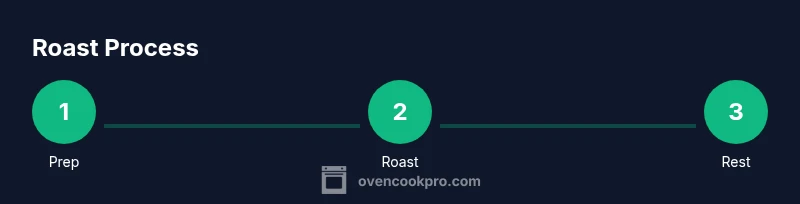
Roast a pork loin in the oven by patting dry, seasoning, then roasting until the internal temperature hits about 145°F, followed by a 3-minute rest. Slice and serve juicy, evenly cooked pork. This guide covers selecting the cut, trimming, seasoning, heating, roasting, thermometer checks, and rest times for peak flavor and safety.
Why roast a loin of pork in the oven?
Roasting a loin of pork in the oven yields consistent doneness, a golden crust, and juicy interior without constantly babysitting the meat. According to Oven Cook Pro analysis, the oven's steady heat helps the thick cut reach a uniform center while the surface browns evenly. A loin is lean, but with the right resting and heat management, you can avoid dry edges and overcooked centers. When choosing, look for a roast with even thickness and a trim of surface fat; bone-in loins add flavor but require slightly longer cooking. For beginners, plan for a total cooking time that scales with weight and avoid opening the oven door too often, which can drop temperatures and prolong the process. Resting the roast before carving is essential for juicy slices.
Understanding bone-in vs boneless loin and choosing the right cut
Bone-in loin roasts have the bone intact, which can contribute flavor and help shield some of the meat from direct heat. Boneless loins roast a little faster and are easier to carve. When selecting, aim for uniform thickness to prevent hot spots. Check for a firm feel and a light, even fat cap; if it's unusually thin or jiggly, it may cook unevenly. If you plan to stuff or tie, bone-in versions may need extra prep but can deliver richer aroma during roasting.
Preparing the pork: trimming, brining, and tempering
Pat the loin dry to remove surface moisture; this helps the rub adhere and promotes browning. If you choose, you can brine a larger roast for 15-30 minutes, which can improve moisture retention. After drying, allow the meat to come to room temperature for 20-40 minutes; this ensures the center reaches doneness without overcooking the exterior. Trim away excessive hard fat but leave a light fat cap if you enjoy extra flavor. This careful prep sets a stable foundation for flavor and texture.
Seasoning options: classic rubs and herb combinations
A simple approach uses kosher salt and black pepper with a light drizzle of olive oil to help the spices stick. For a classic herb rub, combine chopped garlic, rosemary, thyme, and a pinch of orange zest for brightness. More modern rubs pair paprika with dried oregano and a touch of cumin to boost depth. Apply the rub evenly and massage it into the surface so the flavors penetrate as heat begins. If you plan to stuff or tie the roast, avoid heavy rubs that could burn.
Roasting fundamentals: temperature, rack position, and searing
Set up the roast on a rack in a shallow pan to promote air flow around all sides. Preheat the oven to 375°F (190°C) for a balanced roast; if you want a crustier exterior, start at a higher heat for the first 15 minutes, then reduce. For deeper browning, you can sear the roast briefly in a hot skillet before going into the oven. Ensure the loin isn’t touching the pan edges so heat can circulate. If you have a convection oven, you may reduce the temperature by 25°F (about 15°C) to avoid over browning.
Monitoring doneness and resting for juiciness
A reliable instant-read thermometer is essential. Insert it into the thickest part of the loin, avoiding bones and fat. Target around 145°F (63°C) for a juicy center; USDA guidance supports this range with a rest period. After removing from the oven, tent the meat loosely with foil and rest for 10-15 minutes. Resting allows juices to redistribute and continues gentle carryover cooking. Slice against the grain for maximum tenderness and portion uniformity.
Troubleshooting common issues and adjustments
If the crust is pale, raise the oven temperature for the last 5-10 minutes or brush with oil and rub again. If the center finishes late or seems underdone, check the roast’s thickness and consider finishing with a brief higher-heat blast. For dryness, ensure you’re not overcooking and use rest times effectively; a well-rested roast retains moisture better. Convection can help even cooking, but reduce temperature accordingly to prevent scorching.
Safety, serving, and flavor pairing ideas
Always wash hands and surfaces after handling raw pork. Carve after resting and serve with sides that balance richness—roasted vegetables, applesauce, or braised greens. A light pan sauce made from the pan drippings adds depth without overpowering the pork’s mild flavor. Store leftovers promptly in the fridge and reheat gently to preserve moisture.
Tools & Materials
- Roasting pan with rack(Metal or sturdy enamel; enables air circulation)
- Instant-read meat thermometer(Probe or dial stem for accurate temp)
- Aluminum foil(For tenting during rest)
- Kitchen knife and cutting board(For trimming and carving)
- Oven mitts(Heat-resistant)
- Kosher salt(Seasoning baseline)
- Freshly ground black pepper(Basic rub)
- Olive oil(Helps rub and browning)
- Garlic (optional)(Minced or powder for rub)
Steps
Estimated time: 1 hour 15 minutes
- 1
Pat dry the loin
Use paper towels to remove surface moisture from the loin. This helps the rub adhere and promotes crust formation during roasting.
Tip: Dry surfaces brown better; moisture stalls browning. - 2
Season the meat
Sprinkle evenly with kosher salt, pepper, and any chosen rub. Gently press to ensure the spices cling and begin to flavor the surface.
Tip: A thin even layer yields better crust than a heavy coat. - 3
Preheat the oven
Set the oven to about 375°F (190°C) and let it fully come to temperature before roasting. A consistent heat helps even doneness.
Tip: If you prefer a crustier exterior, keep heat higher for the first 15 minutes. - 4
Roast on a rack
Place the loin on a rack to allow air circulation around the meat. Roast until the thermometer nears the target, then monitor closely.
Tip: Raising the meat prevents a soggy bottom and promotes even browning. - 5
Check temperature
Insert thermometer into the center of the roast, avoiding fat pockets. Aim for around 145°F (63°C) and plan for resting prior to carving.
Tip: Check early; carryover heat will continue to cook the meat slightly. - 6
Rest the meat
Remove the roast from the oven and tent loosely with foil for 10-15 minutes. Resting redistributes juices for a juicier slice.
Tip: Do not skip resting; cutting early leaks juices. - 7
Carve and serve
Slice against the grain into even portions. Serve with roasted vegetables or a light pan sauce built from the drippings.
Tip: Carve after resting to keep slices juicy. - 8
Store leftovers safely
If any pork remains, refrigerate promptly in shallow containers within two hours of cooking.
Tip: Reheat gently to preserve moisture.
Questions & Answers
What is the recommended internal temperature for pork loin?
For pork loin, aim for 145°F (63°C) with a 3-minute rest according to USDA guidance. This yields a rosy center while ensuring safety.
Aim for 145 degrees with a short rest; it keeps the meat juicy and safe to eat.
Bone-in vs boneless loin — which should I choose for oven roasting?
Bone-in loins add flavor and may cook slightly more slowly but are forgiving. Boneless loins roast faster and are easier to carve.
Bone-in offers richer flavor; boneless is faster and simpler to carve.
Is searing before roasting necessary?
Searing is optional but helps develop a crust quickly. If you prefer, start with a higher heat or a brief sear in a hot pan.
Searing is optional; it gives a crust but isn't required.
How long should pork loin rest after roasting?
Rest the pork for 10-15 minutes after roasting. Resting helps redistribute juices for a juicier slice.
Let it rest 10-15 minutes for juiciness.
Can I brine a pork loin before roasting?
Brining is optional but can improve moisture for lean loins. If you brine, reduce salt in the rub accordingly.
Brining is optional and can improve moisture.
How thick should the loin be for even roasting?
Aim for uniform thickness, about 1.5-2 inches, so heat penetrates evenly and you avoid dense centers.
Uniform thickness helps even cooking.
Watch Video
Main Points
- Pat dry before seasoning for crust
- Roast to about 145°F and rest
- Use a rack and thermometer for even cooking
- Carve against the grain for tenderness
- Let leftovers rest and reheat gently