Asparagus Recipes in Oven: A Complete Roasting Guide
Master asparagus recipes in the oven with a step-by-step roasting guide. Learn prep, timing, flavor ideas, and practical tips to get crisp edges and tender centers every time.


With this guide, you will master asparagus recipes in oven, achieving crisp edges and tender centers every time. Learn how to prep, season, and roast on a sheet pan, plus timing tips, safe handling, and flavor pairings to elevate simple asparagus into versatile side dishes. Whether you're cooking for one or a crowd, this approach adapts to different oven types and spice preferences.
Why Oven Roasting Elevates Asparagus
Roasting in the oven concentrates the natural sweetness of asparagus, producing a balance of crisp edges and tender centers. The dry heat caramelizes sugars and renders moisture for a bright, flavorful result. According to Oven Cook Pro, oven roasting is one of the most reliable methods for asparagus recipes in oven because it preserves color and nutrients better than boiling or steaming. When spears are spread in a single layer and lightly coated with oil, they roast evenly and develop a delicate, nutty aroma. This method is versatile for weeknight sides or more elaborate dinners, and it scales from single servings to larger batches without losing texture or flavor.
In addition to flavor, oven roasting offers practical benefits: it frees up stove space, works with a wide range of seasonings, and handles a variety of thicknesses. With a few simple steps, you can transform plain asparagus into a crowd-pleasing dish. Remember that the goal is even contact with hot air, not overcrowding the pan. If spears touch, you’ll end up steaming rather than roasting, which dulls browning and texture.
Choosing the Right Asparagus and Prep
Selecting the right asparagus matters for roast quality. Look for bright green stalks with tight, closed tips; thick spears hold up to longer roasting while thin spears roast quickly and can overcook if not monitored. Fresh, within-the-season asparagus delivers the best flavor and color. Rinse the spears under cool water and pat dry thoroughly to help oil adhere and promote even browning. Trim the woody bottoms—usually about 1 to 2 inches, depending on thickness—and discard the tough ends. If you prefer, you can snap the spears where they bend naturally; this is a reliable way to remove the tough portion without wasting edible stalks.
For best results, select stalks that are similar in thickness so they roast evenly. If you have a mix, plan for two roasting times or cut the thicker spears to match the thinner ones. Drying thoroughly helps achieve crisp edges, and a light coating of oil will carry seasonings across every spear. This alignment with consistent sizing is a key factor in delivering dependable asparagus recipes in oven results. The Oven Cook Pro team notes that consistent thickness reduces variance in cooking time and improves overall texture.
Prepping for Roast: Seasoning Basics
Oil is your roasting ally. Use a light, even coat to help browning without sogginess. A general guideline is 1–2 tablespoons of olive oil per bunch of asparagus, enough to gloss the spears but not pool on the sheet. Seasonings should be bold enough to stand up to the high heat; salt, pepper, and garlic are classic, while lemon zest or a touch of red pepper flakes can brighten the dish. For a more indulgent finish, a light dusting of grated parmesan or a squeeze of lemon after roasting adds brightness and savory depth. If you’re avoiding dairy, finish with fresh herbs like parsley or dill for contrast. Proper seasoning ensures the flavor penetrates the spears and complements the natural sweetness of the vegetable.
Mix the seasoning with the oil in a large bowl before adding the spears. This helps achieve an even coating rather than patchy spots. Arrange the coated spears in a single layer on the sheet pan to maximize surface contact with the hot air. A little practice makes perfect: once you’ve found your preferred oil-to-spear ratio, you can apply it consistently across batches.
Temperature and Time: Getting It Right
A hot oven is essential for crisp-tender asparagus. Set the oven to around 425°F (220°C) for a balanced roast that browns the tips without drying the stalks. Depending on thickness, asparagus roasted at this temperature typically takes 8–12 minutes. Shorter times yield crisper textures, while longer times make the spears more tender. For especially thick spears, you may need an extra minute or two. The key is to start checking at the lower end of the range and then monitor closely to avoid overcooking. If you’re using convection, reduce the temperature by about 25°F (14°C) or shorten the time slightly, as convection speeds up browning.
To ensure even cooking, shake or flip the pan halfway through roasting. This promotes even browning on all sides and helps prevent soggy or underdone spots. Preheating the sheet pan along with the oven can also contribute to faster and more uniform browning. By controlling temperature and time, you’ll produce consistently delicious asparagus recipes in oven results.
Cooking Methods: One Sheet Pan, Two Pan, and Add-Ins
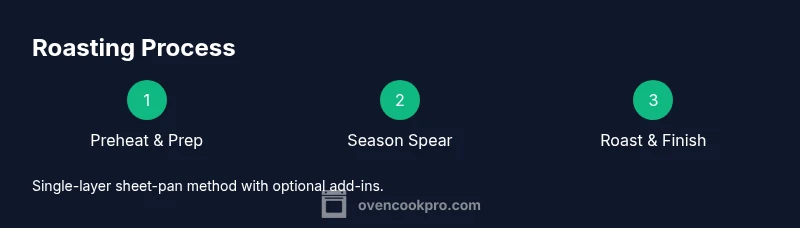
Most home cooks roast asparagus on a single sheet pan for simplicity. Lining the pan with parchment paper helps with cleanup and prevents sticking. If you’re cooking for a larger crowd or using very thick spears, consider using two pans to avoid crowding; overcrowded spears steam rather than roast, resulting in less browning. You can also experiment with add-ins that pair well with asparagus, such as garlic slices tossed with oil, lemon wedges laid on the sheet, or small cherry tomatoes that roast alongside the spears. For extra crunch, finish with a sprinkle of breadcrumbs mixed with a touch of butter after roasting. The sheet-pan method scales well from family dinners to party upgrades, making it an essential technique for asparagus recipes in oven.
If you want to intensify color and texture, place spears in a single layer with space between them; crowding reduces airflow and produces less browning. For add-ins, cut tomatoes in halves or quarter garlic cloves to maximize surface area for roasting and flavor infusion. This approach keeps preparation simple while delivering bold flavors.
Finishing Touches: Finishes that Compliment
Roasted asparagus shines with finishing touches that add brightness and depth. A light squeeze of lemon or a tablespoon of lemon juice brightens the dish and pairs beautifully with garlic and herbs. Parmesan cheese, grated over the hot spears, melts slightly and adds a savory note. Fresh herbs, such as chopped parsley or chives, bring color and a fresh aroma. If you prefer a spicy kick, a pinch of crushed red pepper flakes can wake up the palate. For dairy-free options, finish with a drizzle of tahini or a drizzle of olive oil stirred with minced garlic. Each finishing touch enhances aroma and flavor while preserving the integrity of the roasted spears.
Experiment with flavor profiles by rotating finishes in different meals. This flexibility makes asparagus recipes in oven a versatile choice for side dishes, salads, or base components for larger plates.
Troubleshooting Common Issues
Even with careful prep, you may encounter a few roasting hiccups. Soggy spears usually indicate overcrowding or insufficient preheating; ensure a generous lay-out and a hot oven. Burnt tips often result from spears that are too thin or from cooking too long; monitor closely by checking at the 8-minute mark and removing sooner if needed. Uneven cooking can be caused by inconsistent spear thickness—trim thicker stalks to match thinner ones or use two pans to create more uniform batches. If your spears curl or twist, this can be a sign of odd thickness or pan temperature fluctuations. Finally, if flavor seems flat, try a more assertive seasoning or a finishing acid like lemon juice to brighten the dish. By adjusting time, temperature, and layer height, you’ll minimize common issues and keep asparagus recipes in oven reliably delicious.
Flavor Variations: Herbs and Spices
Beyond the classic garlic and lemon, you can experiment with a range of herbs and spices. Try dill, thyme, or oregano for a Mediterranean vibe, or smoky paprika for a bold note. A touch of sesame oil can add a nutty aroma, while grated zest of citrus like orange can brighten the dish in unexpected ways. For a richer finish, a light grating of pecorino or parmesan just as the spears come out of the oven adds a savory crest. If you prefer heat, a light dusting of chili flakes or a drizzle of chili oil introduces warmth without overpowering the asparagus. These variations keep the technique exciting while maintaining the core roasting method.
As you experiment, document which combinations work best with your preferred oven and pan setup. This will help you recreate your favorite asparagus recipes in oven with predictable success.
Complete Menu Pairings and Leftovers
Roasted asparagus pairs well with a wide range of proteins and grains. Try it alongside lemon-herb chicken, grilled salmon, or roasted potatoes for a balanced plate. It also works as a bright addition to pasta dishes or on top of quinoa bowls. Leftovers can be reheated in a quick turn on the same sheet pan, but for best texture, store them separately in an airtight container and reheat briefly in a hot oven to regain crispness. If you’re planning ahead, you can roast the spears early in the day and finish with a quick reheat and finish once you’re ready to serve. This approach makes asparagus recipes in oven a dependable centerpiece for weeknight meals and weekend gatherings.
In summary, roasting asparagus in the oven is a flexible, reliable method to draw out flavor and texture. The approach scales, aligns with seasonal produce, and supports a wide range of flavor profiles. The Oven Cook Pro team recommends leveraging the single-shot sheet-pan method for consistent results, then iterating with variations to suit your pantry and preferences.
Tools & Materials
- Asparagus (bunch)(Choose spears with tight tips; aim for uniform thickness)
- Olive oil(Extra-virgin preferred, about 1–2 tablespoons per bunch)
- Salt(Fine sea salt or kosher salt)
- Black pepper(Freshly ground if possible)
- Garlic (optional)(Thin slices or minced for flavor)
- Lemon (optional)(Zest or juice for finish)
- Parmesan or Pecorino (optional)(Grated cheese for finishing)
- Sheet pan(Size to fit spears in a single layer)
- Parchment paper or silicone mat(For easy cleanup)
- Spatula or tongs(For turning spears halfway through)
- Oven mitts(Heat-resistant protection)
Steps
Estimated time: 25-40 minutes
- 1
Preheat oven and prepare pan
Preheat oven to 425°F (220°C). Line a sheet pan with parchment or a silicone mat to prevent sticking and facilitate cleanup. This preheating ensures immediate browning when spears contact the hot surface.
Tip: Ensure the pan is fully hot before adding spears to promote crisp edges. - 2
Trim woody ends
Rinse asparagus and pat dry. Trim or snap off the woody bottom ends, usually 1–2 inches, so all spears roast evenly.
Tip: Discard trimming waste or save for stock. - 3
Toss with oil and seasoning
In a large bowl, toss the spears with olive oil, salt, and pepper until evenly coated. If using garlic, add it now so flavors meld during roasting.
Tip: Use just enough oil to lightly gloss the spears; excess oil can lead to soggy spears. - 4
Spread in a single layer
Arrange spears in a single, even layer on the sheet pan with space between each spear. Overcrowding crowds the air and reduces browning.
Tip: If you have a thick bunch, use two pans to avoid crowding. - 5
Roast and shake halfway
Roast for 8–12 minutes, depending on thickness. Shake the pan or use tongs at the halfway point to rotate spears for uniform browning.
Tip: Start checking at the 8-minute mark to prevent overcooking. - 6
Check for tenderness and color
Spear tips should be lightly browned and stalks tender but still crisp when pierced with a fork.
Tip: If the tips brown too fast, move spears to a cooler area of the oven or reduce time slightly. - 7
Finish with flavor enhancers
Remove from oven and finish with lemon zest, a squeeze of juice, shaved parmesan, or fresh herbs as desired.
Tip: Finish while hot so toppings melt and cling to the spears. - 8
Serve or store
Serve immediately for best texture. Store leftovers in an airtight container in the fridge for up to 3–4 days.
Tip: To reheat, warm quickly in a hot oven to regain crispness. - 9
Clean up and reflect on variations
Wipe the pan and reuse parchment if needed. Jot down flavor combos you liked for next time and keep experimenting with herbs and cheeses.
Tip: Document what worked to reproduce your favorite asparagus recipes in oven.
Questions & Answers
What oven temperature is best for roasting asparagus?
A hot oven around 425°F (220°C) is ideal for a quick roast that yields crisp edges and tender centers. Convection users can reduce the temperature slightly or shorten the time.
Roast at about 425 degrees for a quick, even result. If you’re using convection, adjust a bit for faster browning.
How can I prevent soggy asparagus?
Avoid overcrowding the pan and ensure the spears are dry before tossing with oil. Use a single layer with space between spears to promote even browning.
Give each spear room to breathe; don’t crowd the pan.
Can I roast other vegetables with asparagus?
Yes, but choose vegetables with similar roasting times. Cut larger veggies to compact sizes and spread evenly to avoid crowding. You may need to adjust timing for a perfect roast.
Yes—pair with vegetables that roast similarly and watch timing.
What finishing options work well?
Lemon zest or juice, grated parmesan, fresh herbs, or a light drizzle of olive oil all work well. Choose one or two to keep flavors balanced.
Finish with lemon, cheese, or herbs to brighten the dish.
How should I store leftovers?
Store roasted asparagus in an airtight container in the fridge for 3–4 days. Reheat quickly in a hot oven to restore crispness.
Store up to a few days and reheat briefly to regain crispness.
Is there a dairy-free option?
Yes. Skip cheese finishes and add a squeeze of lemon and some chopped herbs for brightness. A drizzle of extra virgin olive oil also adds depth without dairy.
Skip cheese and finish with lemon and herbs for dairy-free flavor.
Watch Video
Main Points
- Roast at high heat for crisp edges and tender centers.
- Uniform spear size ensures even cooking.
- Seasonings and finishes elevate flavor without masking asparagus notes.
- Overcrowding is the enemy of browning; use two pans if needed.
- Finish with a bright acid or cheese for a polished plate.