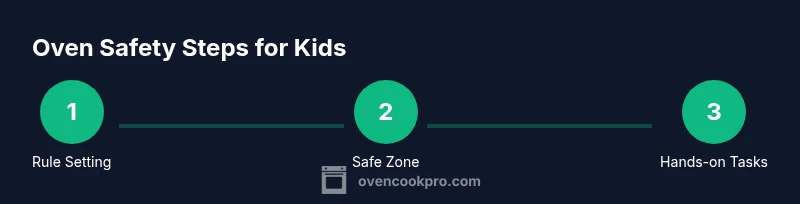
Safe Oven Habits for Kids: A Step-by-Step Guide
Learn how to involve kids in baking safely with age-appropriate tasks, gear, and a practical step-by-step approach. This guide covers supervision, preheating, temperatures, and clean-up for kitchen confidence.


By the end of this guide you will be able to introduce kids to baking with confidence while keeping everyone safe. You’ll learn to establish clear kitchen rules, create a kid-friendly oven zone, and perform simple, supervised tasks from preheating to cleanup. The plan uses age-appropriate activities, proper gear, and a repeatable safety checklist so cooking with kids stays fun and safe.
Why oven safety matters for kids
In families that cook together, the kitchen becomes a learning space where curiosity meets caution. The concept of an oven for kids embodies the goal: teach children to participate in baking while minimizing risk. Young children naturally explore heat sources, oven racks, and hot surfaces, which can lead to burns or spills if rules aren’t clear. Establishing safety from the start reduces fires, scalds, and accidents. The core framework is simple: supervision, age-appropriate tasks, and consistent routines. When kids feel like contributors rather than spectators, they are more likely to follow guidelines and stay engaged. The Oven Cook Pro team emphasizes building confidence gradually, starting with familiar, low-heat activities and advancing to higher-heat tasks only as skills grow.
Designing a kid-friendly oven zone
Create a defined workspace away from clutter, with a stable surface at a reachable height. Use oven-safe tools and clearly labeled containers, and keep a kitchen timer within sight. Place hot pans on a heat-resistant mat or trivet and always orient handles toward the center of the room to prevent accidental bumps. Mark the kid zone with bright tape and keep flammables off the counter. A small step stool, if needed, ensures children can participate without stretching or reaching dangerous edges. Adequate lighting and minimal distractions help kids focus on the task and safety cues.
Age-appropriate tasks and supervision levels
Children can contribute at every stage if tasks match their development. Ages 3–5 can wash produce, stir batter with help, and pour pre-measured ingredients under close supervision. Ages 6–8 can whisk, measure, and set timers with reminders. Ages 9–11 can place pans in the oven with guidance and monitor the bake using a timer. Older kids can assist with more complex steps, like mixing dough or adjusting placement on racks, provided there is ongoing supervision. The goal is steady progression that builds confidence while maintaining a safe margin for error.
Safe preheating and oven temperature practices
Preheating should be done with an adult present. Demonstrate how to set the oven to the correct temperature, keep faces away from the door, and use the light to observe without opening. Teach kids to respond to the preheat signal and to avoid leaning on the door. Always use oven mitts or heat-resistant gloves when handling hot racks or pans. For small hands, use long-handled tools to reach into the oven without getting too close to the heat source. Regularly verify temperatures with an oven thermometer for accuracy.
Tools and safety gear for baking with kids
Essential items include: oven-safe cookware, bakers’ mitts, a digital thermometer, a timer, a stable step stool, and a clean, dry surface. Glass or ceramic bakeware should be labeled for oven use, and metal pans should be sturdy with no rough edges. Keep a first-aid kit handy for minor burns, and have burn gel accessible. Non-slip mats reduce slips during hot tasks, and dish towels or silicone baking mats protect surfaces. Organizing tools by task minimizes clutter and helps kids learn order and safety.
Step-by-step: a simple kid-friendly recipe
Recipe: Cinnamon apple bake-offs (kid-friendly and simple)
- Preheat the oven to 375°F (190°C) under adult supervision. 2) Core apples and slice into thin wedges. 3) Toss with a teaspoon of cinnamon and a little maple syrup or honey. 4) Place on a parchment-lined sheet. 5) Bake for 18–20 minutes until tender. 6) Let cool briefly before tasting. 7) Discuss what went well and what could be improved next time. This activity reinforces patience, measurement, and safe handling of hot items.
Common mistakes to avoid
Avoid leaving the kitchen during oven tasks, even for short moments. Do not let kids reach over hot surfaces or lean into the oven door. Misjudging oven temperature or cooking times can burn food or cause burns. Do not skip a timer or ignore the heat-safe gear. Ensure all liquids and ingredients are prepped before exposure to heat to minimize rushing mistakes. Finally, avoid loose clothing or dangling sleeves that could catch on oven racks or flames.
Cleaning up safely after kid-friendly oven use
Cooling down should occur on a stable surface away from children during the initial handling. Allow pans to cool on the stove or countertop with handles away from the edge. Use warm, soapy water for washing; never rinse hot pans with cold water. Dry thoroughly to avoid slips. Store utensils and cookware in an organized manner so the next session begins quickly and safely. A brief cleanup review reinforces the habit and reduces the chance of neglecting safety rules in future sessions.
Special considerations for gas vs electric ovens
Gas ovens may require more attention to vents, flame awareness, and gas line safety, while electric ovens rely more on solid heating elements and precise temperatures. In either case, keep children away from open flames when near a gas oven and remind them not to touch hot surfaces even when the oven is off. Electric ovens still become extremely hot on the door and racks. If any malfunction occurs, stop using the oven and contact a qualified technician.
Quick safety checklist for busy households
- Supervision is non-negotiable whenever the oven is in use.
- Use age-appropriate tasks and clear rules.
- Preheat with an adult, and never leave a child unattended near an active oven.
- Keep a thermometer, timer, and mitts within easy reach of kids.
- Use a designated kid zone and a step stool for height needs.
- Review safety reminders before every session.
How to talk to kids about oven safety
Explain heat, flames, and steam in simple terms. Use concrete examples—like telling them that pans stay hot for a while after cooking. Encourage questions and repeat safety rules often, using positive reinforcement. Create a routine that treats cooking as a collaborative project, not a test. When kids understand why rules exist, they’re more likely to follow them.
How to involve older kids in more advanced cooking tasks
As kids age, gradually introduce more complex responsibilities. Let them plan a simple dish, select a recipe, measure ingredients, and time multiple tasks. Emphasize safety checks (e.g., ensuring oven racks are properly inserted) and demonstrate how to troubleshoot, such as adjusting exposure time if something browns too quickly. This approach helps teens develop independence while maintaining safety.
Tools & Materials
- Oven-safe cookware (glass, ceramic, or metal baking dishes)(Choose pans with sturdy handles; avoid thin glass that may crack under high heat)
- Oven mitts or heat-resistant gloves(At least 400-500°F (204-260°C) rated, for handling hot pans)
- Long-handled tongs(For reaching hot items without hands near heat)
- Digital kitchen thermometer (oven-safe)(Check internal temperatures for doneness)
- Kitchen timer(Visible to kids; set alarms for each task)
- Step stool or stable chair(Helps kids reach counter height safely, with supervision)
- First aid kit(Include burn gel and sterile supplies)
- Non-slip mat for kitchen floor(Adds stability during tastings)
- Dish towels and heat-safe silicone mats(Protect surfaces and hands)
Steps
Estimated time: 60-90 minutes
- 1
Set safety rules and roles
Agree on a short list of safety rules. Assign age-appropriate roles so each child knows their task and boundaries. This creates predictability and reduces impulsive moves near heat.
Tip: Post rules at kid eye level and review them before every session. - 2
Create a kid-friendly workspace
Designate a clean, uncluttered area with a reachable height and clear access to tools. Have all gear ready before starting to prevent scrambling near hot surfaces.
Tip: Place a visible reminder nearby about hot surfaces. - 3
Choose a simple recipe
Select a recipe with short steps and forgiving outcomes. Keep ingredients pre-measured to reduce rushing and mistakes near the oven.
Tip: Start with one-bowl mixes to minimize complexity. - 4
Preheat together under supervision
Show how to set the oven to the correct temperature and explain why preheating matters for even cooking. Keep hands away from the door while it heats.
Tip: Use the oven light to observe progress without opening the door. - 5
Measure and prep ingredients
Kids can pour liquids and level dry ingredients with adult guidance. Emphasize clean hands, dry surfaces, and safe handling of knives if used under supervision.
Tip: Double-check labels to avoid allergens. - 6
Arrange bakeware safely
Line pans with parchment or silicone mats. Place racks securely and ensure pans sit flat to avoid spills.
Tip: Always move pans with both hands and avoid reaching over hot surfaces. - 7
Bake with timers and observation
Set timers for each task and have kids observe through oven light when possible. Never leave the oven unattended with children nearby.
Tip: Use a second check at halfway for doneness. - 8
Check for doneness safely
Use a thermometer or visual cues to determine doneness. Remove items with oven mitts, and place on a heat-safe surface away from kids.
Tip: Explain why internal temperature matters for safety. - 9
Cool, then clean together
Cool foods on a heat-safe surface. Involve kids in wiping, washing, and storing leftovers. Reinforce the habit of cleaning as part of cooking.
Tip: Turn cleanup into a game to keep kids engaged. - 10
Reflect and adapt for next time
Discuss what went well and what to adjust. Build a plan for more advanced tasks as kids gain experience and confidence.
Tip: Document improvements for future sessions.
Questions & Answers
Is it safe to bake with toddlers?
Toddlers can participate in very simple, supervised steps such as washing produce or mixing ingredients. Keep them away from heat sources and always within arm's reach of an adult during oven use.
Toddlers can help with simple, supervised tasks, but never near heat. Always have an adult within arm's reach during baking.
What age should kids start helping in the kitchen?
Start with very young helpers on tasks like washing and pouring under close supervision, then progress to measuring and timing as they demonstrate responsibility.
Start with basic tasks for younger kids and gradually add more complex steps as they show responsibility.
What are essential safety rules for an oven zone with kids?
Keep hair tied back, wear close-fitting clothing, never leave the oven unattended, and always use oven mitts. Define a kid zone and maintain clear separation between heat sources and children.
Tie back hair, use non-loose clothes, never leave the oven unattended, and always wear oven mitts.
How can I teach kids about oven temperatures safely?
Explain why different foods require different temps, demonstrate using an oven thermometer, and model checking temperatures before removing food.
Show how temperatures affect cooking, check with a thermometer, and always handle hot items with mitts.
What should I do if a child burns themselves?
Cool the burn under running water for several minutes, remove any stuck clothing near the burn, and seek medical advice for severe burns. Have a small burn kit handy for quick response.
Cool the burn with water, remove any restrictive clothing near the burn, and seek medical help if severe.
Are gas ovens more dangerous for kids than electric ovens?
Both present risks; Gas ovens add flame and gas exposure concerns, while electric ovens can cause burns from hot doors and racks. The key is consistent supervision and proper safety practices.
Gas ovens bring flame risks; electric ovens still burn, but with different hazards. Supervision and proper safety rules apply to both.
Watch Video
Main Points
- Set clear safety rules before starting.
- Assign age-appropriate tasks to build confidence.
- Preheat with adult supervision and monitor closely.
- Use proper gear and tools for safe handling.
- Finish with a tidy cleanup to reinforce safety.