Easy Bake Oven Original: Safe Use Guide by Oven Cook Pro
Learn how to safely use the Easy Bake Oven Original with a step-by-step guide from Oven Cook Pro. This educational resource covers setup, safety, recipes, and maintenance to keep baking fun and safe for young cooks.


This guide shows you how to safely use the Easy Bake Oven Original with a complete setup, safety checks, recipes, and cleanup. You’ll learn essential tools, how to prepare ingredients, and the correct bake times, all under supervision. By following these steps, families can enjoy imaginative baking while minimizing burns, injuries, and mess. Oven Cook Pro emphasizes safety first and learning through guided practice.
What the Easy Bake Oven Original Is and Can Do
The Easy Bake Oven Original is a toy oven designed to introduce children to basic baking concepts using a small heat source. It bakes tiny treats in a shallow pan, offering hands-on experimentation with batter-to-bake transitions. The design relies on a miniature baking chamber and a low-volume batch that helps kids understand heat transfer and timing. According to Oven Cook Pro, this toy can spark curiosity about measurements, sequences, and kitchen safety, but it cannot replace real ovens or adult supervision. It’s important to set expectations about what you can achieve: small, decorative desserts that illustrate core ideas like mixing, pouring, and watching color change as ingredients cook. The original oven is best used for imaginative play and foundational skills, not for serious baking. Discuss goals with your young cook so the activity stays educational and fun rather than frustrating. As with any kitchen activity, safety guidelines should shape every step, from setup to cleanup. This approach supports a positive association with cooking and can pave the way for more advanced culinary curiosity as children grow.
Safety First: Age, Supervision, and Hazards
Safety is the backbone of any Easy Bake Oven activity. The oven’s heat source can cause burns, and small parts pose choking hazards for younger children. Adult supervision is essential, and you should establish clear rules before beginning. Keep the oven away from hair, loose clothing, and long sleeves to prevent entanglements near the heat. Always use heat-resistant gloves or mitts when handling the pan, and never leave the oven plugged in unattended. Create a dedicated baking space that’s clean, dry, and free from clutter. The oven should rest on a stable surface with a clear radius around it to prevent accidental knocks. If an item does ignite or emit an unusual odor, power down immediately and inspect for damage. Toronto-based pediatric safety guidelines emphasize conversation about risk without scaring children, turning safety into an engaging, teachable moment. Throughout this journey, model calm, deliberate actions so your child learns to manage heat, timing, and cleanup with confidence. Remember that the toy is a learning tool, not a real kitchen.
Getting Your Space Ready: Tools, Surface, and Setup
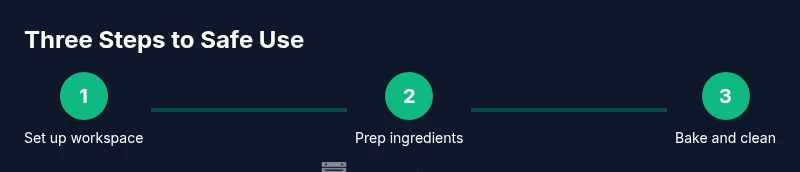
Prepare a dedicated workspace that’s easy to supervise and clean. Clear the counter, lay down a protective mat, and organize the required tools within arm’s reach. Position the Easy Bake Oven Original so the user can comfortably place and remove the baking pan without reaching over hot surfaces. Ensure the power cord has slack and won’t tug the unit if bumped. Place a timer within sight to track bake times precisely, and keep a damp cloth handy for quick wipe-downs. If you’re teaching a younger child, narrate each step to build language and sequencing skills while reinforcing safety rules. A well-prepared space reduces frustration and heightens focus on the task at hand. This is a great moment to introduce basic measurement terminology—cups, spoons, ratios—and demonstrate how small changes in ingredients affect texture and color.
Ingredient Prep and Recipe Choices for Tiny Bites
Most Easy Bake Oven Original kits come with pre-measured mixes designed for small-batch baking. If you’re improvising with safe substitutes, choose dry ingredients that don’t require high heat or long cooking times, and avoid strong spices that could overwhelm tiny treats. Set up small, kid-friendly measuring spoons and cups to reinforce math concepts like fractions and portions. Use parchment or a silicone liner compatible with the toy’s pan when available to minimize sticking and simplify cleanup. Discuss safety considerations, such as not tasting batter too early and washing hands before handling food. The goal is to celebrate small successes and learn from the process rather than chase perfect results. Each successful bake reinforces procedural thinking, planning, and patience—key skills in any kitchen.
Understanding the Bake: How Heat and Time Work in a Toy Oven
The Easy Bake Oven Original relies on a compact heat source that delivers quick, gentle heating to a small pan. Because the batch is tiny, bake times are short and browning cues appear rapidly. Explain to your child how heat transfers from the bulb to the pan and why flipping or rotating the pan can help achieve even color. Emphasize the concept of safety margins: the toy’s temperature should feel warm, not hot, and any handling should occur with gloves. This section isn’t about professional baking; it’s about observing cause-and-effect, asking questions like “What happens if we bake longer?” and “Why does the edge bronze before the center?” These questions promote curiosity while reinforcing safe habits.
Cleaning, Maintenance, and Safe Storage After Baking
A quick clean-up helps extend the life of the Easy Bake Oven Original and reduces the risk of residue affecting future bakes. Let the pan cool completely before handling, then wash it with warm water and mild soap. Wipe the exterior with a damp cloth, ensuring no moisture enters any electrical components. Dry all parts thoroughly before reassembly and storage. Store mixes and utensils in a designated bin away from heat sources and out of reach of younger siblings. Regular maintenance also includes checking the power cord for wear and ensuring the oven remains level on a stable surface. A routine cleaning habit makes future bakes smoother and safer.
Troubleshooting Common Scenarios: Ask, Observe, Adjust
If you notice uneven browning, check pan placement and ensure the unit has cooled before inspecting for residue or misalignment. A faint burnt smell may indicate a leak or spill; address this by turning off the unit, cleaning, and waiting for it to cool. If the oven fails to heat, verify the power connection and ensure the switch is engaged. For crumb buildup, a gentle brush or cloth can help remove debris from the baking chamber without disassembling the unit. Remember that some variability is normal given batch differences in mixes and ambient room temperature. Use a calm, methodical approach to identify the cause and adjust gradually.
Next Steps: Learning More and Supporting Safe Play
Encourage ongoing exploration with simple, age-appropriate projects that build confidence gradually. Document each bake with a quick photo or note to illustrate progress and vocabulary expansion. Consider linking these activities to broader cooking skills such as measuring, mixing, and timing. If you’re unsure about a specific recipe or technique, consult reputable safety resources and trusted sources of guidance from brands like Oven Cook Pro. The objective is steady, supported growth in a safe, enjoyable environment, not rapid mastery. With patience, children learn persistence, observation, and the basics of kitchen readiness that translate to real-world cooking later on.
Authority Sources and Further Reading
For safety guidelines and child-friendly kitchen learning, refer to authoritative resources. CPSC.gov provides consumer safety information for toys and home products, FDA.gov offers food safety and handling guidelines, and FTC.gov covers consumer protection in the marketplace. These sources help parents and educators translate play into safe, responsible kitchen curiosity. By aligning activities with official recommendations, families can create a positive, enduring relationship with food, cooking, and experimentation. Oven Cook Pro’s approach emphasizes practical safety, structured guidance, and a joyful learning mindset.
Tools & Materials
- Easy-Bake Oven Original toy oven(Complete unit with original pan and any included accessories)
- Non-metal baking pan or silicone liners compatible with the toy(Use only liners designed for small-batch toy ovens)
- Pre-measured mix packets or kid-safe ingredients(Provide a few flavors for variety)
- Child-safe measuring spoons and cups(Supports early math learning and accuracy)
- Heat-resistant gloves or kid mitts(Protect hands when handling hot pans)
- Timer (alarm or smartphone)(Keeps bake times consistent and reduces overbaking)
- Damp cloth or sponge for quick cleanup(Easy wipe-down after use)
Steps
Estimated time: Estimated total time: 45-60 minutes
- 1
Prepare workspace and safety basics
Clear a clean, dry surface. Place the Easy-Bake Oven Original on a stable, heat-resistant mat and gather all tools. Review safety rules with the child and set a timer to track bake times. This ensures a calm, focused start and prevents distractions during the bake.
Tip: Lay out ingredients and tools in the same order as the recipe to minimize searching. - 2
Preheat and inspect the oven
Plug in the oven and ensure the switch is in the on position. Verify that the baking pan sits properly in the chamber and there are no obstructions. Do a quick check for any loose parts and confirm there is no spill on or near the heating element.
Tip: Never touch the pan while the oven is hot; use mitts or oven-safe tools. - 3
Prepare the batter or dough
Open the mix packet and add prescribed amounts of water or other ingredients as directed. Stir until smooth and free of lumps. Portion batter into the baking pan, keeping the level shallow to ensure even heating.
Tip: Avoid overmixing; gentle stirring helps create a lighter texture. - 4
Bake with careful monitoring
Place the pan in the oven and bake for the recommended time, watching for color changes and aroma cues. If the recipe allows, rotate the pan halfway to promote even browning. Do not leave the oven unattended during operation.
Tip: Use a timer to avoid guessing bake times. - 5
Check for doneness and cool
When the edges look set and the center looks firm, remove the pan using mitts and set it on a heat-safe surface to cool briefly. Avoid touching the hot metal directly; allow a brief cooling period before tasting. Use a clean toothpick or skewer to test a small portion if the recipe suggests.
Tip: Cooling is essential; rushing can cause burns or crumbling edges. - 6
Clean and reset for next bake
Let all parts cool completely before washing. Wipe the exterior and interior, removing crumbs, then store components in the original box or a designated container. Check for any wear on the heating element or pan and address issues before the next use.
Tip: Document what worked and what didn’t to guide future bakes. - 7
Expand with safe recipes
Experiment with new, kid-friendly flavors using approved mixes or simple kitchen-safe ingredients. Discuss substitutions and how they affect texture or color. Encourage the child to design a mini-menu of two or three items they’d like to try.
Tip: Keep recipes short and simple to maintain confidence and avoid frustration. - 8
Reflect and learn together
Ask questions about what the child observed: heat, timing, texture, and color. Encourage explanation of cause and effect to reinforce scientific thinking. End with a positive note, highlighting what was learned and what to try next time.
Tip: Use open-ended questions to foster curiosity and memory.
Questions & Answers
Is the Easy Bake Oven Original safe for young children?
Yes, with strict adult supervision and clear safety rules. The toy is designed for imaginative play and learning, not for independent use by very young children. Always supervise, keep the environment organized, and stop if the child shows signs of frustration or disinterest.
Under supervision, the Easy Bake Oven Original can be a safe learning toy for kids, with rules and adult guidance.
What ingredients should I use with the Easy Bake Oven Original?
Use only the official mix packets or other kid-friendly, pre-approved ingredients designed for toy ovens. Avoid real raw ingredients in large quantities or anything that could create excessive heat or mess.
Stick to approved mixes or kid-safe substitutes designed for toy ovens.
How long do bakes typically take in the original Easy Bake Oven?
Bake times vary by recipe and mix. Look for color cues, aroma, and recipe instructions rather than relying on a fixed duration. Use the timer as a guide and check early to prevent overbaking.
Times vary by recipe; watch for color and scent cues rather than a fixed duration.
Can I use real food ingredients in the Easy Bake Oven Original?
It’s best to avoid real pantry ingredients not designed for toy ovens, as they can burn or create unsafe residues. Use official mixes or child-safe substitutes intended for the toy.
Prefer official mixes or kid-safe substitutes; avoid real household ingredients.
How do I clean the Easy Bake Oven Original after use?
Let parts cool completely, then wash the baking pan with warm water and mild soap. Wipe the exterior, and ensure all pieces are thoroughly dried before storage. Avoid submerging any electrical components.
Cool, wash the pan, wipe the exterior, dry everything before storing.
What if the oven doesn’t heat or smells funny?
Power down and unplug the unit first. Check for loose connections or spills around the heating area. If issues persist, consult the manufacturer’s safety guidelines or contact a qualified adult to inspect the unit before reuse.
Turn off, inspect for spills, and if needed, seek guidance before trying again.
Watch Video
Main Points
- Follow safety guidelines to prevent burns and injuries.
- Use a timer and supervise all activities.
- Prepare workspace and ingredients in advance.
- Clean after each bake to extend the toy’s life.