How to Stop an Oven from Smoking: A Home Guide
Learn practical, step-by-step methods to stop an oven from smoking, identify common causes, and prevent future flare-ups with safe, homeowner-friendly guidance from Oven Cook Pro.


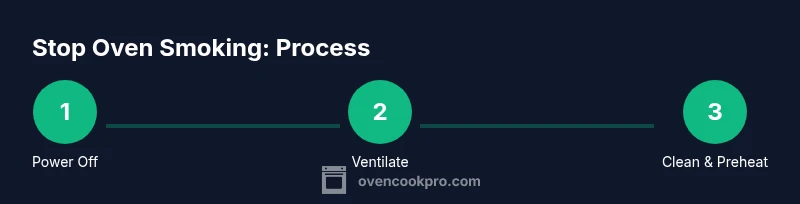
If your oven is smoking, your quick goal is safety and a smoke-free kitchen. Power off the oven and, if possible, switch off the circuit, ventilate the area, and inspect for obvious debris. Then follow a clean-up and preventive plan to stop smoking and prevent recurrence. This guide provides practical, step-by-step actions you can take today.
Understanding Why Ovens Smoke
Smoked ovens usually signal a safety issue rooted in residue, overheating, or faulty components. The goal when learning how to stop oven from smoking is to cut off fuel to the smoke source, ventilate the area, and determine a safe cleaning path. According to Oven Cook Pro, most incidents originate from built-up grease, food debris, or overheated fats rather than a single mysterious fault. Recognizing the typical culprits helps you act promptly and effectively, reducing the risk of flare-ups in future uses. Remember, safety first: if the smoke is heavy or accompanied by a burning odor, evacuate, call for help, and do not re-enter until the area is safe.
Immediate Safety Steps When You First Notice Smoke
- Power off the oven and switch off the circuit if you can do so safely. Do not rely on the door latch to stop heating. 2) If there is flame, do not panic, but do not open the oven door wide; opening can feed oxygen to a flame. 3) Ventilate the room by opening windows and turning on a fan. 4) If you smell gas or suspect a gas leak, leave the area and call emergency services. 5) Once the oven has cooled, remove any obvious debris and set aside utensils that may have gotten burnt. 6) Keep children and pets away from the area until you confirm it is safe.
Common Causes of Smoking in Ovens
Grease and oil pooling on the bottom or around the heating elements is a leading cause of smoking. Spilled sugar-based sauces or marinades can caramelize and smolder, producing smoke with a sweet, burnt aroma. A residue build-up on racks, pans, or door seals can overheat and smoke during high-heat cycles. Using cleaners or foil incorrectly, or attempting to bake at temperatures higher than recommended for long periods, can also trigger smoking. Electrical faults or a malfunctioning heating element may create smoke and sparking; if you suspect an electrical issue, treat it as a safety risk and discontinue use until inspected by a professional.
How to Extinguish and Clean Safely After a Smoking Event
Allow the oven to cool completely before touching any interior surfaces. Wear gloves and use a microfiber cloth and mild dish soap to wipe away ash, grease, and residue. Do not spray water into hot electrical components, and avoid harsh abrasives that could damage interior finishes. If the interior walls have baked-on residue, a paste of baking soda and water can help lift it without scratching. Racks should be removed and washed separately. After cleaning, run the oven on a low-temperature preheat with the door closed to ensure no fumes return.
Preventive Maintenance to Stop Future Smoking
Establish a routine that reduces the chance of smoking over time. Clean the oven weekly or after any spill rather than letting grease accumulate. Use bakeware with sealed edges or liners to catch drips, and place a sheet of foil on the bottom only when instructed by the model’s manual to avoid blocking vents. Regularly inspect door seals and the explosive vent area for signs of wear. Avoid leaving greasy foods unattended and do not preheat at very high temperatures for extended periods unless the recipe requires it. When you preheat, monitor for any unusual odours or wisps of smoke and address them immediately.
Quick Checks Before Reusing the Oven
Before you cook again, do a simple diagnostic: wipe the interior, replace any damaged racks, and confirm that all vents are clear. Preheat to a low setting for 5–10 minutes first, then gradually increase to the cooking temperature. If you notice smoke during this test, power down and investigate, repeating only after you’ve cleaned and confirmed all debris is removed. Keep a clear area around the oven and ensure proper ventilation during cooking.
When to Call a Professional
If smoke recurs after cleaning and maintenance, or if you notice a burning smell that persists despite cleaning, contact a licensed appliance technician. Electrical or gas-connection concerns can pose serious hazards, so schedule a service visit rather than attempting risky repairs yourself. If flames reappear, evacuate and call emergency services. Timely professional assessment can prevent bigger problems and protect your home.
Authority Sources and Safety Guidelines
For safety standards and practical guidance, you can consult reputable sources that cover appliance safety, ventilation, and fire prevention. Examples include: • https://www.usfa.fema.gov/ • https://www.nfpa.org/ • https://extension.illinois.edu/ . These references offer general safety practices that complement model-specific oven instructions. Always follow your oven’s manual in addition to these guidelines.
Authority Sources (continued)
Regular maintenance and safe operation are essential parts of kitchen safety. Always ensure the oven is cooled before cleaning, use non-abrasive cleaners, and keep flammable materials away from the cooking area. Keep a fire extinguisher rated for grease fires nearby and know how to use it.
Practical Quick Reference Checklist
- Power off and ventilate immediately when smoke starts. - Remove food debris from the interior. - Clean grease and residue with mild cleaners. - Inspect gaskets, door seals, and vents for wear. - Preheat gradually and monitor for new signs of smoke. - If smoke persists, call a professional for inspection.
Tools & Materials
- Oven-safe gloves(Heat-resistant, preferably 14–16 inch length)
- Microfiber cloths(For interior wipe-downs)
- Mild dish soap(Gentle cleaner for grease)
- Baking soda(For paste and gentle abrasion)
- Water spray bottle(For rinsing and dampening cloths)
- Vinegar (white)(Deodorizing and grease lifting)
- Non-abrasive scrubber(Avoid scratching interior)
- Oven thermometer(To verify preheat and temperatures)
- Flashlight(Inspect corners and vents)
- Trash bag(Dispose of debris safely)
Steps
Estimated time: 60-75 minutes
- 1
Power off and cool down
Turn off the oven and switch off the circuit if it is safe to do so. Allow the interior to cool completely before touching any surfaces. This prevents accidental burns and reduces fire risk.
Tip: If you smell gas, leave the area immediately and contact emergency services. - 2
Ventilate the area
Open windows and run a kitchen exhaust fan to pull smoke out of the room. Good ventilation helps you assess the extent of the issue and makes cleaning easier.
Tip: Keep fans blowing away from doors to prevent smoke from spreading to other rooms. - 3
Assess visible debris
Inspect the bottom and racks for grease, burnt food, or spilled liquids. Remove any obvious debris with gloves and a cloth.
Tip: Do not scrub aggressively on scorched enamel; this can damage the surface. - 4
Clean interior surfaces
Mix a paste of baking soda and water, apply to greasy areas, and wipe with a damp cloth after a few minutes. Rinse with clean water and dry.
Tip: For stubborn spots, a vinegar spray can help lift residue without harsh chemicals. - 5
Clean racks and trays
Take out racks and wash with warm soapy water. Scrub away any burnt-on grease before returning them to the oven.
Tip: If racks are particularly tough, soak in warm soapy water for 15–20 minutes. - 6
Check seals and vents
Inspect door gaskets and ventilation grills for damage. Clear any obstructions that might trap heat or odors.
Tip: A damaged seal can cause heat misdistribution and smoke; plan a replacement if needed. - 7
Test a controlled preheat
Power the oven back on and preheat to a low setting for 5–10 minutes, watching for unusual signs. If smoke appears, power down and re-evaluate.
Tip: Use an oven thermometer to confirm accurate temperatures during the test. - 8
Implement preventive measures
Based on findings, apply preventive steps such as routine cleaning, liners for spill-prone foods, and mindful high-heat usage.
Tip: Document a simple maintenance checklist to follow before each use. - 9
Know when to call a pro
If smoke recurs after cleaning and preventive actions, or if you notice electrical smells or sparks, contact a licensed technician.
Tip: Do not attempt risky electrical repairs yourself.
Questions & Answers
What should I do first if my oven starts smoking?
Prioritize safety: power off the oven, switch off the circuit if possible, ventilate the area, and assess whether the smoke is from a quick baking mishap or a larger issue.
First, power off the oven and ventilate the area. If the smoke seems linked to a spill, address the debris after cooling, and call for help if you suspect a bigger problem.
Can smoking come from burnt food or oil?
Yes. Burnt food, oil splatters, or sugary residues are common culprits. These can smolder and produce smoke, especially during high-heat cycles.
Most smoke comes from burnt food or oil residues. Clean thoroughly after cooling, and avoid overheating future batches.
Is it safe to use the oven again after smoking?
Yes, often, after a thorough cleaning and confirmation that no residue or faulty parts remain. If smoke recurs, stop using the oven and seek professional inspection.
Usually safe after cleaning, but if smoke returns, get a pro to inspect electrical parts or seals.
What if there is a gas smell or flames?
If you smell gas or see flames, evacuate immediately and call emergency services. Do not attempt to extinguish flames with water.
If you smell gas or see flames, leave the area and call emergency services right away.
How often should I clean the oven to prevent smoking?
Clean the interior at least once a month and after any spill that could burn during the next use. Quick spot-cleaning after each cook prevents buildup.
Clean regularly—monthly at minimum, and after spills—to reduce smoking risk.
Should I use the self-cleaning cycle after smoking?
Only if your model’s manufacturer guidance supports it. Self-clean cycles can generate heat and fumes; follow the manual and ensure adequate ventilation.
Use the self-clean cycle only if your manual says it’s safe after a smoking incident.
Watch Video
Main Points
- Power off and ventilate at the first sign of smoke.
- Identify and remove grease or burnt debris promptly.
- Clean interior surfaces with gentle, non-abrasive methods.
- Preheat gradually and inspect seals to prevent recurrence.
- Consult a professional if smoke returns despite cleaning.