Subway Oven Roasted Turkey: A Home Oven Guide
Learn to recreate Subway-style oven roasted turkey at home with a step-by-step guide. Tips on brining, seasoning, roasting, resting, and serving for juicy, deli-quality slices.


You will learn to achieve Subway-style oven-roasted turkey at home using a standard kitchen oven. The guide covers selecting the cut, brining or dry-brining, seasoning, roasting temps, and proper resting for juicy slices. Follow the step-by-step process for consistent browning and safe internal temperature.
What Subway Oven Roasted Turkey Is and Why It Works
The subway oven roasted turkey you enjoy on a sandwich isn’t just flavor; it’s the result of precise technique, timing, and temperature. In this guide, home cooks will learn to reproduce the same moist, browned slices using a standard kitchen oven. The core idea is to balance juiciness with browning by using brine or dry-brine, controlling heat to avoid dry, overcooked edges, and finishing with a proper rest. According to Oven Cook Pro, the best results start with high-quality meat, a clear brine plan, and a reliable thermometer to prevent overcooking. When you master these basics, you can tailor seasonings to your taste while preserving the deli-like profile: lean, savory, and evenly cooked. This article uses the subway oven roasted turkey concept as a practical, family-friendly project that yields consistent results.
By the end, you’ll be able to prepare a confidently roasted turkey that slices cleanly for sandwiches or plated meals, with the aroma of a bustling deli and the control of home cooking. The steps emphasize reliable timing and simple equipment so you can enjoy deli-inspired results on weeknights or weekends.
Selecting the Right Cut for Subway-Style Flavor
Choosing the right cut is foundational. For a classic subway-style result, a bone-in, skin-on whole turkey (or larger bone-in breast) yields more moisture and flavor than a fully boned, skinless option. If you prefer a lighter option, a whole turkey breast works well with proper brining. Look for bright, firm meat with a clean smell, and check the weight to estimate roasting time. The goal is uniform thickness for even cooking, minimal waste, and slices that hold together when carved. Oven Cook Pro recommends starting with a good-quality bird and planning around its weight, since fat distribution and bone-in texture impact moisture retention during roasting. A well-trimmed cavity and dry surface help the browning process and create that desirable deli- style crust when seasoned.
Brining vs. Dry-Brining: Juiciness and Flavor
Brining trades moisture for salt balance, helping the turkey stay juicy through roasting. A traditional wet brine can be time-consuming, while dry-brining is simpler and just as effective. In a dry-brine, massaged kosher salt and optional sugar or aromatics are applied, and the turkey rests uncovered or loosely covered in the fridge. Oven Cook Pro analysis shows that dry-brining delivers comparable juiciness with less risk of overpowering salt flavor if you control salt quantity and resting time. If you opt for a wet brine, plan on soaking or chilling for 8–12 hours, then pat dry before seasoning. Whichever method you choose, ensure the turkey surface is dry for optimal browning and a crisp, appetizing skin.
Seasoning Concepts: From Salt to Savory Rubs
Seasoning is where you can mirror your favorite deli profile. Start with a balanced mix of salt, pepper, garlic, paprika, and optional herbs like thyme or sage. For a Subway-like flavor, consider a light garlic-onion base with a touch of coriander or sesame seeds to evoke a subtle, savory crust. Apply seasoning under the skin where possible to boost juiciness and flavor distribution. A light coating of olive oil or melted butter helps the surface brown and creates a crisp, bronzed finish. For additional nuance, you can add a touch of citrus zest or a subtle brown sugar–soy glaze as a finishing layer. Always taste a small amount to calibrate salt just before roasting and remember that you can always adjust rubs on the next roast.
Roasting Fundamentals: Temperature, Rack Position, and Browning
Roasting temperature and rack placement determine browning and evenness. Use a lower-middle rack position for consistent heat exposure and a shallow roasting pan with a rack to lift the bird for air circulation. A common approach is to start at a higher heat for the first 20–30 minutes to jumpstart browning, then lower the temperature to 325–350°F (165–177°C) for steady cooking. Plan for a total roast time based on weight, checking with an instant-read thermometer. The safe internal temperature for turkey is 165°F (74°C); however, carryover cooking can bring the final temperature higher after resting. Monitor the thermometer closely to avoid overcooking a lean cut, which would dry the meat. Let the surface finish brown evenly for a crisp, deli-like color.
Resting, Carving, and Serving Subway Oven Roasted Turkey
Resting is essential to keep juices from running out during carving. After removing from the oven, tent the turkey loosely with foil and let it rest 15–20 minutes. Resting allows proteins to reabsorb moisture, making the slices easier to handle and more flavorful. Carve with a sharp knife along the natural grain, starting with clean, even slices to maximize texture. Serve with flexible accompaniments—sliced tomatoes, crisp lettuce, and your favorite sandwich bread—to recreate the Subway-style experience at home. If you’re serving leftovers, portion the meat and store it in airtight containers after cooling.
Troubleshooting Common Issues
If the turkey browns too quickly on the outside but remains undercooked inside, tent loosely with foil and continue roasting until the thermometer reads target temperature. A dry interior usually means overcooking or insufficient brining; remedy with shorter roasting times and careful basting. If the skin isn’t crispy enough, finish under a hot broiler for 2–4 minutes, watching closely to avoid scorching. Uneven cooking from a crowded pan indicates you need more space around the bird; use a larger pan or remove extra items from the oven to allow heat to circulate. Finally, ensure a clean, dry surface before applying rubs to maximize browning and flavor absorption.
Make-Ahead, Storage, and Reheating Tips
To save time, you can prep brine or dry-brine components a day ahead and refrigerate in a covered container. After cooking, refrigerate leftovers within two hours in shallow, sealed containers. Reheat slices gently on a covered dish with a splash of stock or gravy to maintain moisture. Slice size matters: thinner slices dry out quickly, while thicker cuts retain juiciness when reheated. Reheating in a low oven (about 250°F/120°C) helps preserve texture and moisture better than microwave reheating. For extended meal planning, portion the turkey into meal-size portions and freeze briefly to maintain freshness.
Final Prep Checklist for Subway Oven Roasted Turkey
- Gather the right cut, thermometer, pan, and rack.
- Decide brine vs. dry-brine based on time and preference.
- Preheat the oven and prepare the seasoning.
- Roast with monitoring and rest before carving.
- Plan for leftovers with proper storage and reheating methods.
Tools & Materials
- Turkey (bone-in, skin-on preferred)(Whole bird or large breast, depending on your serving size)
- Oven-safe roasting pan with rack(Allows air to circulate for even browning)
- Instant-read meat thermometer(Monitor target 165°F (74°C))
- Meat carving knife and fork(Clean, sharp blades for even slices)
- Paper towels and clean kitchen towels(Pat dry and mop up juices)
- Aluminum foil(Tent during resting or if browning too fast)
- Brine container or large bag (optional)(For wet brine if chosen)
- Basting brush or spray bottle(Minimal moisture loss; optional)
Steps
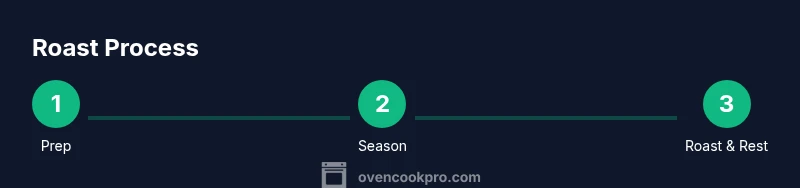
Estimated time: 2 hours 30 minutes
- 1
Prepare workspace and turkey
Remove any giblets, pat the turkey dry with paper towels, and set on a rack in the roasting pan. A dry surface enhances browning and ensures even seasoning.
Tip: Pat dry thoroughly; excess moisture steams rather than browns. - 2
Decide on brine approach
Choose wet brine (8–12 hours) or dry-brine (8–24 hours) depending on time. If you skip brining, season generously with salt inside and out.
Tip: Plan in advance for brining to maximize juiciness. - 3
Season the turkey
Rub salt, pepper, and aromatics under the skin when possible. Apply a light coating of oil or butter for browning and flavor.
Tip: Season under the skin for better flavor transfer to the meat. - 4
Preheat oven and position rack
Preheat to 325–350°F (165–177°C). Place the rack in the lower-middle position for even heat distribution.
Tip: Starting heat high briefly can boost browning, then reduce to finish cooking. - 5
Roast to target temperature
Roast until the thermometer reads 160–165°F (71–74°C); remove and let carryover raise to 165°F as it rests.
Tip: Keep an eye on the temperature and avoid opening the oven too often. - 6
Rest, carve, and serve
Tent with foil for 15–20 minutes, then carve along the grain into even slices. Serve with your preferred sides.
Tip: Resting prevents juices from spilling out on carving board.
Questions & Answers
Can I use turkey breast only instead of a whole turkey?
Yes, you can use turkey breast, but expect less richness and moisture than a bone-in bird. Adjust roasting times and ensure you don’t overcook the lean breast.
Yes, you can use turkey breast, but it may dry out faster; adjust time and temperature accordingly.
Brining vs. dry-brining: which is better for juiciness?
Both methods improve juiciness. Dry-brining is simpler and less prone to oversalting; wet brining can maximize moisture but requires more time and careful rinsing.
Both methods help with juiciness; choose based on your schedule and salt preference.
What is the safe internal temperature for subway oven roasted turkey?
The safe final internal temperature is 165°F (74°C). Monitor with a thermometer and let carryover heat finish if needed.
Aim for 165 degrees, then rest to finish cooking.
How long should I rest the turkey after roasting?
Rest for 15–20 minutes to let juices redistribute, then carve for best texture.
Rest for about 15 to 20 minutes before carving.
Can I make this ahead and reheat slices later?
Yes, refrigerate sliced leftovers in airtight containers. Reheat gently in a low oven to preserve moisture.
Yes, you can refrigerate and reheat slices slowly to keep them moist.
Is convection better for browning a subway-style roast?
Convection can promote even browning and faster cooking, but monitor temps to prevent over-browning.
Convection helps browning, but watch cooking time closely.
Watch Video
Main Points
- Choose bone-in, skin-on for juicier slices
- Dry-brine or wet-brine improves moisture retention
- Monitor internal temp with a thermometer
- Rest before carving for best texture