How to Build a Solar Oven: A Do-It-Yourself Guide
Learn how to design and assemble a do-it-yourself solar oven with clear steps, safe practices, and practical cooking plans from Oven Cook Pro. Elevate home cooking with sunlight.


Goal: Build a functional solar oven at home using affordable, readily available parts. In this guide you’ll learn a simple DIY design, essential safety tips, and a tested cooking plan to bake light meals with sunlight. You’ll need basic tools, reflective surfaces, insulation, and a plan for predictable heat retention. This solar oven do it yourself project empowers you to cook with free energy from the sun.
Why build a solar oven yourself?
According to Oven Cook Pro, a well-designed solar oven can deliver reliable heat with minimal energy cost, especially on bright days when the sun is high. The do-it-yourself approach lets you tailor materials to your climate and budget while exploring the physics of heat, reflection, and insulation. If you’re a homeowner or home cook, building a solar oven at home offers a portable, off-grid cooking option. The solar oven do it yourself mindset also provides an educational, hands-on project that demonstrates sustainable cooking in action. In practice, a modest solar oven can simmer stews, heat soups, and bake breads with careful temperature control and time planning. Consider how this project aligns with your kitchen routines, weather, and available workspace, then start with a simple, scalable design.
As you plan, keep a realistic schedule and a materials list. The goal is to produce steady heat in a compact cooking chamber, not to achieve laboratory-grade precision. With the right design choices, you’ll gain a reliable solar cooker that relies on sun energy rather than a conventional oven.
How solar ovens work: heat, reflection, and insulation
Solar ovens capture and concentrate sunlight using reflective surfaces to raise the interior temperature. A greenhouse-like effect keeps heat contained, while insulation minimizes heat loss during cooking. Most DIY solar ovens rely on a black, heat-absorbing interior panel to convert sunlight into heat, coupled with a transparent lid that traps heat. Orientation toward the sun is essential: a fixed or adjustable mount helps maintain optimal angles as the sun moves. Understanding these principles helps you select materials and optimize your build for your latitude and typical cloud cover. When designing your oven, aim for a balance between high reflectivity on the interior surfaces and strong insulation around the cooking chamber.
Good heat retention reduces cooking times and improves consistency, especially for recipes requiring steady temperatures.
Design options: panel cooker vs box oven
DIY solar ovens come in several configurations, with two common families being panel-style cookers and box-style ovens. Panel cookers use multiple reflective panels that direct sunlight to a central box or pouch, creating a simple, lightweight, and scalable solution. Box ovens provide a sealed cooking chamber with better heat retention and more stable temperatures, making them ideal for baking and roasting. Each design has trade-offs: panel cookers are often easier to assemble but require precise alignment, while box ovens demand more space and insulation but typically deliver higher efficiency in marginal sun. Your choice should reflect your cooking goals, available space, and tolerance for alignment work. The solar oven do it yourself path invites experimentation—start with one design, test, and then scale up with improvements.
Materials and safety: core components and safety reminders
Key components include a reflective surface (aluminum foil or Mylar), an insulated cooking chamber (foam board, bubble wrap, or recycled insulation), a heat-absorbing interior (black paint or enamel), and a transparent lid to trap heat. Transparent materials should be heat-rated and in good condition to avoid shattering. Safety reminders: handle glass or acrylic lids with care, avoid overheating the interior, and never leave the oven unattended under strong sun. Use protective gloves when assembling or adjusting the oven and keep flammable items away from the cooking area. A well-planned, safe build will help you enjoy reliable results without risk.
Building the oven: design, assembly, and alignment
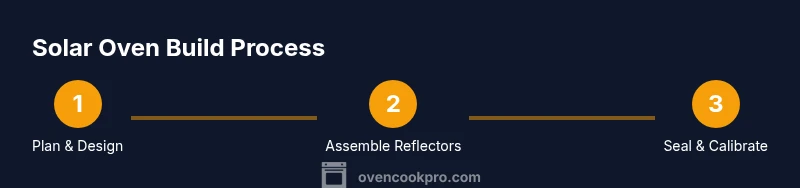
Before you cut or glue, sketch a simple plan with dimensions that fit your materials. Build the box or panel frame first, then attach the reflective surface to maximize sun capture. Install the lid so that it seals effectively, but still allows easy access for loading food. Align the oven toward the sun at peak cooking hours, and test with water to calibrate the heat. Document angles and temperatures to refine your setup for different recipes. The process rewards patience and iterative adjustments rather than a single perfect build.
Testing, calibration, and cooking on sunny days
Start with a water-boil test to gauge heating efficiency and identify hot spots. Use a thermometer to monitor interior temperature and adjust the reflectors or lid seal as needed. For cooking, begin with simple recipes that tolerate variable heat, such as roasted vegetables or solar-baked bread. Expect longer cook times on lower sun days, and plan recipes accordingly. Based on Oven Cook Pro analysis, consistent sun exposure and proper insulation are the biggest drivers of successful results, so invest time in proper setup before cooking serious meals.
Maintenance, expansions, and tips for different climates
Inspect seals, hinges, and reflective surfaces regularly for wear and tear. Clean reflective surfaces to maintain high reflectivity, and refresh interior paint if it begins to fade. In climates with mixed sun, consider modular design elements that can be added or removed to improve heat retention. For recipes across seasons, you may adapt plate arrangements, add extra insulation, or re-angle reflectors to capture more sun. A growing solar oven can evolve with your cooking repertoire and regional weather patterns.
Tools & Materials
- Cardboard box (insulated, with lid)(Two layers preferred; large enough to fit a pan)
- Aluminum foil(High-reflectivity, flat application)
- Reflective Mylar sheets or bright mirror film(Laminate to interior surfaces)
- Insulation (foam board, bubble wrap, or recycled insulation)(2-4 cm thickness for best retention)
- Clear lid or glass pane(Heat-rated; intact and clean)
- Black heat-absorbing paint or enamel(Interior surfaces only)
- Thermometer or oven thermometer(Place inside near food)
- Ruler or measuring tape(Accurate dimensions for fit)
- Utility knife or scissors(Sharp blade for safe cutting)
- Duct tape or silicone sealant(Seal joints and gaps)
- Cooking pots/pans(Safe for use inside the oven)
Steps
Estimated time: 3-6 hours
- 1
Plan design and workspace
Sketch a simple plan with dimensions that fit your materials. Decide between a box oven or panel cooker based on your target meals and space. Clear work area helps prevent mistakes and injuries.
Tip: Draw a scale diagram and list required parts before cutting anything. - 2
Prepare reflectors and cooking chamber
Cut and attach reflective sheets to the interior, ensuring flat, wrinkle-free surfaces. Build the insulated cooking chamber with the chosen insulation and secure the walls. Test lid fit to ensure minimal air leakage.
Tip: Use clamps or weights to hold materials flat while adhesive cures. - 3
Assemble lid and seal edges
Install a clear lid that seals well but remains easy to lift. Apply sealant or weather stripping around the edges to reduce heat loss. Verify that all joints are tight and accessible for loading food.
Tip: Avoid gaps around the lid; even small leaks reduce efficiency. - 4
Mount reflectors and align with sun
Attach fixed or adjustable reflectors to funnel sunlight toward the interior. Set the oven on a stable stand and angle it toward the sun at your peak cooking time. Use a compass or sun-tracking app for precision.
Tip: Check alignment at different times of day to find a reliable angle. - 5
Calibrate heat and test
Place water in a pan inside and monitor interior temperature. Adjust reflectors or lid seal based on thermometer readings. Run a couple of dry tests to confirm heat consistency before cooking meals.
Tip: Record temperatures and times to guide future recipes. - 6
Cook a simple solar recipe
Select a recipe tolerant of variable heat, such as roasted vegetables or solar-baked bread. Monitor progress and rotate the oven if needed to keep heat even. Note any adjustments for future attempts.
Tip: Start with shorter batches to build confidence before larger meals.
Questions & Answers
Is it safe to build a solar oven at home?
Yes, with careful design and safety precautions. Use heat-rated materials, keep flammable items away, and never operate unattended in direct sun. Start with simple tests before cooking meals.
Yes—just follow the safety steps, use proper materials, and test first before cooking food.
What materials work best for insulation?
Common options include foam board, bubble wrap, or recycled insulating materials layered between walls. Combine with a tight lid and weather stripping for best heat retention.
Insulation like foam boards or bubble wrap, plus a tight seal, works well for heat retention.
How efficient is a DIY solar oven?
Efficiency depends on sun exposure, reflector quality, and insulation. With good alignment and a tight seal, you can achieve reliable heat on sunny days and adjust recipes accordingly.
Efficiency varies with sun and setup, but good design yields steady heat on bright days.
Can I bake bread in a solar oven?
Yes, solar ovens can bake bread, but expect longer rising and baking times. Maintain steady heat and use a covered loaf pan for even crust.
Bread is doable; it takes longer, but a well-sealed oven helps.
What maintenance does it need?
Regularly clean reflectors, inspect seals, and replace worn insulation. Check for cracks in the lid and reapply heat-resistant paint as needed.
Keep the reflectors clean and seals intact for best performance.
Watch Video
Main Points
- Plan a simple, scalable design first.
- Reflectors + insulation are the heat drivers.
- Seal all joints for consistent temperatures.
- Test with water before cooking real meals.
- Maintain safety and document results.