Mastering a SMEG Toaster Oven: A Step-by-Step Guide
Master your SMEG toaster oven with a structured, step-by-step guide covering preheating, rack placement, mode selection, baking, roasting, reheating, cleaning, and safety for consistent, tasty results.


This guide helps you master a SMEG toaster oven. You will learn how to preheat properly, choose the correct cooking mode, arrange bakeware for even browning, bake and reheat efficiently, and clean safely to extend the appliance's life. Gather essential tools and follow a clear, step-by-step plan. Whether you bake, toast, roast, or reheat leftovers, this method keeps results consistent.
Why a SMEG toaster oven matters for home cooks
A SMEG toaster oven is more than a compact appliance—it is a reliable workhorse for everyday cooking. Its combination of retro-modern aesthetics and solid heating performance makes it a favorite in kitchens where space is at a premium but results matter. For homeowners who want quick breakfasts, snack-size baking, or small roasts, a SMEG model can replace a larger oven in many tasks, delivering consistent browning and predictable results. The right settings and a few practical habits are all you need to unlock its potential.
According to Oven Cook Pro, SMEG toaster ovens excel when you respect their built-in design intent: compact footprints, efficient radiant heat, and evenly heated interiors. The Oven Cook Pro team found that following manufacturer guidance on preheating, rack placement, and the correct mode choice dramatically improves outcomes compared with improvising. In this guide, you will learn how to use a SMEG toaster oven with confidence, including how to preheat, select modes, position bakeware, and clean without harsh scrubbing. We’ll also cover common mistakes and how to troubleshoot issues you may encounter in real kitchens.
Core features of SMEG toaster ovens
SMEG toaster ovens come in several sizes and with a familiar, stylish exterior, but the real value is inside. Most models include a convection option for faster, more even cooking, a bake and broil function for versatility, and a dedicated toast cycle that lightly crisps bread without burning edges. The interior enamel coating resists staining and is easy to wipe, while a removable crumb tray makes cleanup straightforward. Rack positions typically range from low to high, enabling you to bake cookies on one level and toast vegetables on another.
Beyond the basics, SMEG emphasizes control and predictability. Even when you experiment with new recipes, the appliance should respond consistently to your chosen temperature and time. For reliable results, use oven-safe pans and avoid stacking multiple bakeware items that block airflow. Note that features can vary by model, so consult your manual for your exact function names and min/max temperatures. As you learn your model, you’ll notice where heat concentrates and where adjustment is needed for browning and moisture.
Preheating, rack placement, and bakeware compatibility
Preheating is a simple but essential habit for consistent results. In most SMEG toaster ovens, a short preheat period of a few minutes is enough for normal baking; if you’re toasting bread or reheating leftovers, you may skip preheating or use a shorter cycle. Position the rack in the middle for uniform browning in standard baking; move it one notch higher when you want faster top browning or when using a shallow pan. For larger items, use a higher rack to prevent the bottom from becoming soggy; for delicate items, lower racks help by keeping heat away from the base.
Bakeware matters too. Use oven-safe metal pans, glass baking dishes, or silicone mats designed for toaster-oven use. Avoid flimsy or oversized ware that crowds the interior or blocks airflow. Keep parchment or silicone mats away from the heating elements unless your model has a dedicated safe area. Finally, consider a small digital thermometer to monitor internal temperatures so you can adjust timing rather than relying on clock time alone.
Baking, roasting, and reheating: mode-by-mode guide
Your SMEG toaster oven can handle a surprising range of tasks. For cookies or muffins, use the convection bake setting with even, moderate heat and place trays on the middle rack. For crisp vegetables, roast with convection and a light coating of oil, keeping the tray near the top rack to encourage browning. Toasting bread requires the dedicated toast function or a light convection cycle, with the bread placed on the middle rack to avoid burning the bottom. Leftovers reheat well on a lower heat setting with the tray uncovered so steam can escape, preventing soggy textures. If you need to broil, keep the door slightly ajar or follow your model’s safe broil guidance, watching closely as top heat can scorch quickly. When in doubt, start with lower temperatures and shorter times, then adjust in one-minute increments to reach your preferred level of doneness.
Oven Cook Pro analysis shows that following these practical practices—proper preheat, correct rack height, and minimal crowded interiors—yields more consistent browning and moisture retention across a range of foods. Remember to flip or rotate items as needed to maximize even exposure to heat.
Cleaning and maintenance for longevity
To keep your SMEG toaster oven performing well, a routine cleaning regime is essential. After each use, remove and empty the crumb tray to prevent buildup that can smoke or impart off flavors. Wipe the interior with a damp cloth and a mild, non-abrasive cleaner; avoid strong chemicals that could damage enamel. For stubborn stains, a paste of baking soda and water can lift residue, but test on a small area first to ensure no surface damage. The exterior can be wiped with a soft cloth; if your model has a chrome handle or trim, dry promptly to prevent water spots. Regular checks of the door seal and hinges will help you catch wear early. If your SMEG toaster oven has a self-cleaning cycle, consult the manual and use only the recommended products and timeframes.
Troubleshooting common issues
-
Uneven browning: Ensure the rack is in the correct position, avoid overcrowding, and allow adequate preheating. Spin or rotate pans halfway through the bake to promote uniform heat exposure.
-
Smoke or smells: Check for stray crumbs in the tray, or spilled oil on the interior walls. Wipe clean and run a short, empty cycle with a little water and vinegar to clear residues.
-
Doors not sealing properly: Inspect the door gasket for damage; avoid slamming the door and ensure the seal sits evenly.
-
Food drying out or burning: Lower the temperature slightly and shorten times; use a baking mat or parchment to manage moisture and avoid scorching.
-
Function not responding: Ensure the timer and power switch are set correctly; if the unit seems unresponsive, unplug for a few minutes and then retry.
Practical recipes and everyday uses
A SMEG toaster oven shines for quick, weeknight meals. Toast slices for a crowd-pleasing breakfast, reheat leftovers without sogginess, roast a small chicken breast or vegetables for a single-serving dinner, or bake a sheet of cookies for a small batch. For ideas, begin with a simple sheet of vegetables, rolled with olive oil and herbs, roasted on a high rack until edges crisp. You can also create garlic bread using crusty bread, garlic butter, and a quick bake on a medium heat. The compact size encourages experimentation with new dishes, particularly those that would heat up your entire main oven in larger households. With practice, you’ll discover your SMEG toaster oven’s best settings for different foods and how to adapt recipes you already love.
Remember that results depend on your specific model and the load size. If you’re in a hurry, you’ll often get faster results by using convection mode and a preheated tray. For fragile items like delicate fish, lower the rack to prevent overcooking the outside before the center heats through.
Getting the most from your SMEG toaster oven: safety and maintenance reminders
Safety is paramount when using small appliances. Always place the unit on a heat-resistant surface and keep flammable materials away from the ventilation. Do not place metal foil directly against the heating elements unless the manual allows it. Use proper potholders and avoid touching hot surfaces with wet hands. Make sure the unit has cooled before cleaning, and never pour water directly into the interior. By practicing mindful operation and regular maintenance, your SMEG toaster oven can deliver reliable performance for many years.
Tools & Materials
- Oven-safe baking sheet or pan(Sturdy metal or glass that fits inside the SMEG toaster oven)
- Bakeware appropriate for toaster ovens(Small silicone mats or parchment paper for easy release)
- Racks or supports(Ensure racks are rated for toaster ovens and sit firmly)
- Oven mitts or silicone handles(Heat-resistant and well-fitting)
- Digital thermometer (optional)(To verify internal temperatures beyond the oven display)
- Soft cloth and mild cleaner(For safe interior cleaning)
- Parchment paper or silicone liners(Use to prevent sticking and simplify cleanup)
Steps
Estimated time: 30-40 minutes
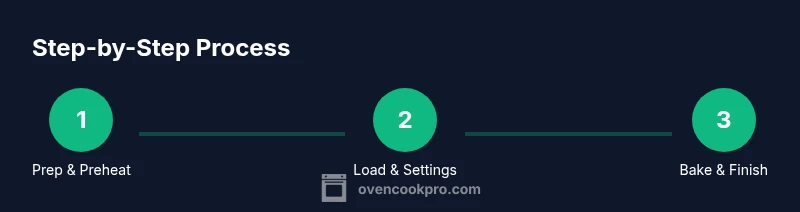
- 1
Preheat and position rack
Begin by selecting your desired function and temperature, then allow the oven to preheat for 5–7 minutes. Position the rack in the middle for most tasks; move it higher for browner tops and lower for gentle, even browning near the bottom.
Tip: Preheating helps establish a consistent heat environment, which improves browning and texture. - 2
Load bakeware and prepare food
Place food in oven-safe pans and spread in a single layer when possible to maximize airflow. Use parchment or silicone mats to prevent sticking and to simplify cleanup.
Tip: Avoid stacking dishes; keep space between items to encourage even heat distribution. - 3
Choose the correct mode and adjust time
Select bake, convection, or toast based on the recipe and texture you want. Start with lower times and check early; many SMEG ovens brown quickly, so incremental checks prevent overcooking.
Tip: If unsure, begin with 10–15% less time than a full-sized oven and adjust as needed. - 4
Monitor progress and rotate if needed
Halfway through cooking, rotate trays and flip items as necessary to ensure even exposure to heat. Use a timer to avoid overcooking.
Tip: Rotating helps counteract any hotspot bias inside compact ovens. - 5
Finish and rest
When the food reaches the desired color and texture, remove it promptly and let it rest briefly to redistribute juices. This avoids a soggy finish when plates are served.
Tip: Resting for a few minutes improves moisture retention and flavor. - 6
Clean after use
While the oven is cool, remove crumbs and wipe down the interior with a mild cleaner. Dry all surfaces to prevent streaks and corrosion.
Tip: Keep the crumb tray empty to prevent smoke and odors during future uses.
Questions & Answers
Can I use metal bakeware in a SMEG toaster oven?
Yes, use oven-safe metal pans that fit inside the oven without touching the walls. Avoid stacking and ensure adequate clearance for airflow.
Yes, metal bakeware is fine as long as it's oven-safe and fits without crowding the oven.
What is the best setting for baking cookies in a SMEG toaster oven?
Convection bake at a moderate temperature works well for most cookies. Place the sheet in the middle and monitor closely for even browning.
Convection bake in the middle rack is typically best for cookies; keep an eye on browning.
Is preheating necessary for every task?
Preheating improves consistency for most dishes, but you can skip it for quick reheats or toast cycles. Follow the recipe and your model’s guidance for best results.
Preheating helps most dishes, though you can skip it for quick toasting or reheating.
Can I reheat leftovers in a SMEG toaster oven?
Yes. Use a lower temperature, avoid a crowded tray, and consider covering with foil for even reheating while preventing dryness.
Yes, you can reheat leftovers by using a lower temperature and not overcrowding the tray.
How do I safely clean the enamel interior?
Wipe with a damp cloth and mild cleaner after cooling. For stubborn spots, a baking soda paste works, but test first to avoid dulling.
Wipe with a mild cleaner after it cools; use baking soda paste for stubborn stains if you test first.
What should I do if the oven won’t turn on?
Check the power connection, timers, and mode selection. If unresponsive, unplug for a minute, then plug back in and retry.
If it won’t turn on, check the power and settings, then reset by unplugging briefly.
Watch Video
Main Points
- Preheat properly to ensure even browning.
- Use the correct rack position for your dish.
- Choose the appropriate mode and monitor closely.
- Clean and maintain after every use.
- Practice with your specific model to dial in timing.