Toaster Oven Food: A Complete How-To Guide
Master toaster oven food with a practical, step-by-step approach. Learn planning, tools, preheating, and timing to achieve crispy, evenly cooked results in small kitchens.


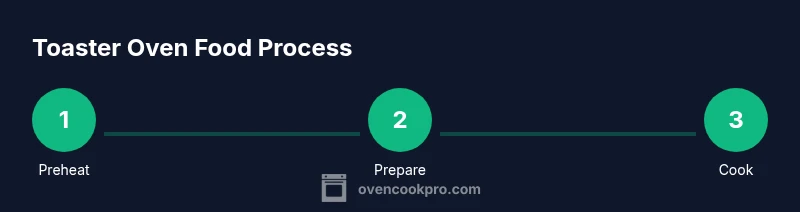
By the end, you will confidently prepare a variety of toaster oven food—from crispy vegetables to mini pizzas—using a reliable setup and a clear method. This guide covers planning, essential tools, temperature strategies, and practical steps you can apply tonight, plus safety reminders for compact appliances. Follow the steps in order and adjust for your altitude and pan size.
What is toaster oven food and why it matters
Toaster oven food refers to meals and snacks prepared using a countertop toaster oven. These compact appliances heat quickly, brown edges, and retain moisture when used with appropriate pans. For small kitchens, they offer an efficient alternative to full-size ovens while producing restaurant-like results. According to Oven Cook Pro, toaster oven cooking shines when you plan portions, use the right tools, and follow a clear method. The Oven Cook Pro team found that consistent placement and proper preheating minimize hot spots and uneven browning, leading to more predictable outcomes. In practice, toaster oven food covers everything from vegetables and reheated leftovers to mini pizzas and sheet-pan meals. The key is understanding the device’s limits and maximizing airflow with space around food. With practice, you’ll learn to estimate cook times by watching color, texture, and aroma rather than relying on a timer alone. This approach helps home cooks save energy, cut oven-space usage, and preserve nutrients. The focus here is to help you translate reliable technique into delicious, safe, and repeatable results.
This guide centers on practical, repeatable methods for toaster oven food that work in real homes. You’ll encounter tools, temperatures, timing, and safety tips that suit small appliances and busy schedules. As you gain experience, you’ll discover personal preferences for texture and flavor, and you’ll adapt the framework to your favorite ingredients, whether vegetables, cheeses, or quick proteins. The goal is clear: enable you to deliver consistent results without relying on guesswork. Throughout, you’ll see how to balance heat, airflow, and pan setup to maximize the toaster oven’s strengths while avoiding common pitfalls.
Key capabilities of toaster ovens for home cooking
Toaster ovens support a variety of cooking modes, including bake, roast, broil, reheat, and toast. With the right rack position and temperature, you can bake cookies, roast vegetables, toast bread, reheat pizza with a crispy crust, and even small casseroles. The compact footprint means you can prep ingredients and cook in tandem, speeding weeknight dinners. When you use toaster oven food mindfully, you get crisp edges without overcooking the interior. The capacity is smaller than a conventional oven, so plan portions accordingly and rotate trays if you’re cooking multiple items. For foods that benefit from direct heat, such as thin-crust pizzas or garlic bread, broil mode can finish the top quickly. The key is balance: air needs to circulate, foods should not be overcrowded, and pan materials should suit the oven’s interior height. The Oven Cook Pro analysis emphasizes that practice and setup matter as much as time. With consistent technique, you can achieve reliable texture and flavor across a wide range of toaster oven meals.
Essential tools and materials for toaster oven cooking
Building a reliable toolkit for toaster oven food starts with choosing the right surfaces and protective gear. A sturdy, rimmed sheet pan or a small baking sheet keeps foods from sliding and helps browning. An oven-safe dish or cast-iron mini pan expands what you can cook. Parchment paper or a reusable silicone mat reduces sticking and makes cleanup easier. A cooling rack lets air circulate beneath foods that are fully cooked, preserving a crisp bottom. Oven mitts with good grip protect hands from hot edges. A digital thermometer ensures safe interior temperatures, especially for proteins. Tongs, a small spatula, and measuring tools streamline assembly and portions. Keep a timer handy and label leftovers to track freshness. This toolkit supports consistent results and reduces the chance of burnt or undercooked bites, so start with a thoughtful base and adjust based on your toaster oven’s quirks.
Preheating, temperature strategies, and food placement
Preheating helps stabilize the interior temperature, preventing cold spots that lead to uneven browning. Most toaster ovens benefit from a brief preheat, typically a few minutes, before you slide in food. When choosing temperatures, start conservative and adjust based on color and texture rather than relying solely on time. For crispy exteriors, position the rack toward the center and avoid crowding; allow air to circulate around each piece for uniform browning. Larger items or multiple trays may require rotating the pan halfway through cooking to maintain even heat exposure. If you’re reheating leftovers, cover or loosely tent with foil to prevent drying. Always monitor closely during the final minutes of cooking, because toaster ovens heat differently than full-size ovens. The Oven Cook Pro analysis notes that a small increase in temperature can dramatically improve browning without overcooking the interior.
Common mistakes and how to fix them
One common mistake is overcrowding the pan, which traps moisture and leads to soggy edges. Fix by leaving space between pieces and using multiple thinner layers if needed. Another error is using the wrong pan material; metal conducts heat quickly, while glass can slow browning. When in doubt, start with metal and evaluate. Forgetting to preheat or relying on a timer alone often results in uneven doneness; preheat and watch the food’s color and texture instead. Not rotating trays or pans can yield uneven results, so rotate halfway through. Finally, neglecting cleanup can cause residue to burn and alter flavor in future meals. Clean as you go, and store tools in a dedicated kitchen zone to keep your cooking flow smooth.
Cleaning and maintenance after toaster oven cooking
Cooling and cleaning are essential for reliable toaster oven results. Let the oven cool completely before wiping the interior with a damp cloth. Remove crumbs from the tray and around the door gasket to prevent smoke and odors. Use non-abrasive sponges and a mild detergent; avoid harsh chemicals that can damage nonstick coatings or seals. Periodically check the crumb tray and interior lighting if present. Store tools in a dry place to prevent rust. A regular cleaning routine reduces smoke, improves heat efficiency, and extends the life of your appliance.
Quick-start recipe concept and template
A simple, repeatable toaster oven food plan starts with a vegetable medley: chop vegetables into uniform pieces, toss with oil and seasonings, spread in a single layer on a parchment-lined pan, preheat to a moderate temperature, and bake until edges are caramelized and tender. Use a separate small tray for items that require different cook times, and rotate trays during cooking. This pattern scales to proteins or starches by adjusting the time and distance from the heat source, always tracking color, texture, and aroma to determine doneness.
Tools & Materials
- rimmed sheet pan(Nonstick or parchment-lined recommended)
- oven-safe baking dish(For casseroles or layered items)
- parchment paper or silicone baking mat(Prevents sticking and eases cleanup)
- tongs(Turns food without piercing)
- oven mitts(Heat protection)
- digital thermometer(Optional for precise doneness)
- cooling rack(Airflow under cooked items)
- silicone spatula(Scrape and turn without scratching)
Steps
Estimated time: 30-40 minutes
- 1
Gather and prep ingredients
Collect required ingredients and cut them into uniform pieces. Uniform sizing helps each piece cook evenly and brown at a similar rate. Pre-measure spices and oil to streamline assembly.
Tip: Lay out ingredients in the order they’ll be used to speed assembly. - 2
Preheat the toaster oven
Set the toaster oven to the target temperature and allow 5-10 minutes for the interior chamber to stabilize. A stable heat reduces uneven browning and helps you judge doneness by color, not just time.
Tip: Use convection if available for faster, more even results. - 3
Line tray and arrange food in a single layer
Line the sheet pan with parchment and spread foods in a single layer with space between pieces. Crowding traps steam and leads to soggy edges. Group only similar-sized pieces together for uniform browning.
Tip: Reserve a separate tray for items with different cook times. - 4
Start cooking and monitor
Slide the tray into the center of the oven and start with the recommended base time. Avoid peeking too often, which can cause temperature fluctuations; use a timer and observe color changes.
Tip: Rotate the tray halfway through for even exposure to heat. - 5
Flip or rotate foods for even browning
Turn pieces with tongs or spatula to ensure both sides brown evenly. For layered dishes, swap positions if your toaster oven has hot spots.
Tip: Handle hot pans with dry mitts to prevent steam burns. - 6
Check for doneness and adjust time
Assess color, texture, and internal temperature if cooking proteins. If needed, give additional 1-2 minutes and rotate again to finish.
Tip: When edges are caramelized and centers are tender, remove from heat. - 7
Rest briefly before serving
Let foods rest 2-5 minutes to reabsorb juices and finish carryover cooking. Resting improves moisture distribution and flavor.
Tip: Use this moment to clean up the workspace for a smooth next round. - 8
Clean up and store leftovers
Allow pans to cool, then wipe with a damp cloth and dry thoroughly. Store leftovers in clean containers with lids to maintain freshness.
Tip: Line pans with parchment again for quick post-cizzle cleanup next time.
Questions & Answers
Can I bake foods other than toast in a toaster oven?
Yes; you can bake cookies, vegetables, small casseroles, and reheated meals in a toaster oven with the right pan and temperature.
Yes, you can bake cookies, vegetables, and small casseroles in a toaster oven with the right pan and temperature.
What foods are best suited for toaster oven cooking?
Foods that fit on a small tray and cook quickly, without overcrowding, are ideal for toaster ovens—think vegetables, thin slices, and small portions of proteins.
Best foods are those that fit on a small tray and cook quickly, like vegetables, thin slices, and small portions of protein.
How do I preheat a toaster oven?
Most toaster ovens preheat in 5-10 minutes; place the rack in the center to promote even heating.
Preheat the toaster oven for 5-10 minutes with the rack in the center.
Can I cook frozen foods in a toaster oven?
Yes, but expect longer cooking times and avoid overcrowding to maintain texture and color.
Yes, you can cook frozen foods, but you’ll likely need longer times and careful spacing.
Is a toaster oven energy efficient?
Generally yes, for small meals, a toaster oven uses less energy than heating a full-size oven.
It's usually more energy efficient for small meals compared to a full-size oven.
How do I clean a toaster oven safely?
Let it cool, unplug, remove crumbs, and wipe the interior with a damp cloth. Avoid harsh cleaners on nonstick surfaces.
Let it cool, unplug, remove crumbs, and wipe the interior. Avoid harsh cleaners on nonstick coatings.
Watch Video
Main Points
- Plan portions and pan layout before cooking.
- Preheat and monitor color, not just time.
- Avoid overcrowding for even browning and crisp edges.
- Use proper liners and cookware to simplify cleanup.
- Practice and adjust based on your toaster oven’s quirks.