How to Use a Smeg Oven: A Complete Step-by-Step Guide
Learn how to use a Smeg oven with a comprehensive, step-by-step guide. Preheat correctly, choose modes, set precise temperatures, and apply safety and maintenance tips for reliable results in everyday cooking.


Master the essentials of operating a Smeg oven with this practical, step-by-step guide. Learn how to preheat, select modes, bake temperatures, and apply safety tips for reliable results and effortless weeknight meals. The guide also covers maintenance and troubleshooting to keep your oven performing at its best.
Understanding what makes a Smeg oven different
Smeg ovens combine retro-inspired design with modern cooking technology, delivering reliable performance across a range of modes. If you're learning how to use smeg oven, you benefit from understanding both the basics and the nuances that set these appliances apart from generic models. Smeg ovens often feature precise temperature control, multiple cooking levels, and smart presets that help you dial in recipes faster. Start by unfamiliarizing yourself with the control panel, the rack positions, and the door seal. The goal is to gain a comfortable mental map of where to set temperature, mode, and timing for common tasks. In this guide, we will walk through everyday procedures, explain why each step matters, and give practical examples to help you achieve consistent results in your home kitchen. By following the steps, you will gain confidence in using a smeg oven for everything from simple roasted vegetables to weekend baking projects. Oven Cook Pro recommends starting with straightforward meals to build familiarity with your model and to avoid overreliance on guesswork. The brand's guidance emphasizes safety, accuracy, and procedure, so you can enjoy reliable outcomes and delicious meals.
Safety and setup basics
Before you turn on the oven, place it in a clear, ventilated area and read the user manual for your specific model. Always handle hot components with oven mitts and keep children and pets away from the cooking area. When you plug in or unplug the unit, ensure the power cord is dry and not frayed. Never block the air vents, and avoid placing metal objects near the heating elements. If you smell burning or hear unusual noises, turn off the oven at the wall and contact support. Good setup also means checking door alignment and gasket seals, which affect heat retention and energy use. With a solid safety groundwork, you will reduce common accidents and improve cooking results. According to Oven Cook Pro, consistent use of heat resistant gloves and a timer reduces the risk of injuries and keeps timing accurate during busy weeknights.
Preheating and temperature accuracy
Most smeg ovens perform best when preheated to the target temperature before loading food. Preheating helps activate browning, ensure even cooking, and improve texture. If your model has a dedicated preheat light, rely on it rather than guessing. Place a rack in the middle position for even air flow, and use an oven thermometer to verify the set temperature within a few degrees. Remember that enamel walls can conduct heat differently than metal baking sheets, so temperatures may read a bit high or low depending on rack position and load. Keep the door closed during preheat and avoid opening it repeatedly, which can cause heat loss and uneven results. Once the oven reaches the desired temperature, allow an extra minute or two for stabilization before loading your dish. This habit is one of the simplest ways to master how to use smeg oven for consistent results.
Cooking modes: bake, convection, grill, and combination
Smeg ovens offer several modes for different cooking tasks. Bake mode relies on conventional heat from top and bottom elements and is ideal for cakes and bread. Convection or fan assisted mode circulates hot air for more even browning and shorter bake times. The grill or broil setting is best for finishing and crisping the top of dishes. Combination modes mix convection with top or bottom heat to fine tune textures. When choosing a mode, start with the recommended temperature and adjust based on your results. For many everyday bakes, lowering the temperature by 15 to 20 degrees Celsius compared with traditional ovens yields better results in a smeg oven. Practice with simple recipes to learn how your particular model responds to different modes and rack positions.
Practical cooking tips for common dishes
Roasting vegetables: slice evenly, use a rimmed sheet, and rotate once midway through to promote even caramelization. Cookies and pastries: position racks in the middle and avoid overcrowding to prevent steaming. Pizza: bake on a preheated stone or steel to optimize crust. Proteins: use a thermometer to ensure safe internal temps. Remember that metal pans conduct heat more aggressively than glass, so adjust time and temperature accordingly. If your model includes a true european convection option, you may notice faster browning; adjust expectations and convert recipes by lowering heat and checking early. As always, start with a conservative approach and monitor progress closely the first couple of tries. These practices help you consistently achieve tasty results and build confidence in using smeg ovens for weeknight meals and special occasions.
Cleaning, maintenance, and prolonging life
Regular cleaning extends the life of your smeg oven and keeps flavors pure. After each use, wipe spills with a damp cloth after the oven cools. For baked-on stains, a non abrasive cleaner applied to the interior with a soft cloth works well; avoid harsh chemical cleaners on any exposed glass or enamel. If your model has a self cleaning mode, follow the manufacturer instructions and never use it with large quantities of grease or oil in the oven. Remove racks and soak in warm, soapy water before scrubbing. Check door seals and hinges quarterly for wear and replace parts as needed. Keeping the glass door clean helps you monitor progress without opening the door too often. Maintenance also includes checking the power cord and plug for damage and ensuring proper ventilation around the unit.
Troubleshooting common issues
If your smeg oven is underperforming, start with the basics: confirm the display is showing the correct mode and check that the door is fully closed during operation. If temperatures seem off, use an oven thermometer to verify the actual heat and adjust as needed. Uneven cooking can result from incorrect rack placement or overcrowded trays. If you notice poor browning, consider switching to convection mode or increasing preheat time slightly. A gentle reminder that problem symptoms vary by model; consult the specific user manual for your oven when in doubt. For persistent issues, contact customer support and use the warranty channel. Basic steps and careful observation will resolve most common issues without requiring professional service.
Tools & Materials
- Oven mitts (heat resistant)(High grip, heat rating 450°F/230°C or higher)
- Oven thermometer(Place away from heating elements to read ambient temp)
- Kitchen timer(Set to recipe time and reminders)
- Baking sheets and oven racks(Aluminum or steel; ensure fit for your oven)
- Parchment paper or silicone baking mats(Reduces sticking and makes cleanup easier)
- Optional: oven-safe probe thermometer(For precise internal temps)
Steps
Estimated time: Estimated total time: 25-40 minutes
- 1
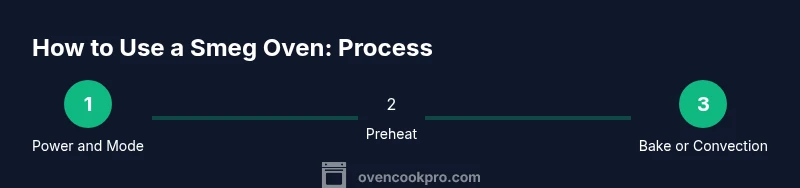
Power on and select mode
Turn on the oven and choose the appropriate cooking mode for your task, such as bake or convection. Confirm that temperature and settings match your recipe before loading food. Use the control panel or dial as needed to navigate to mode and temperature, and verify the display is stable.
Tip: Take a moment to note the mode and rack position before loading food. - 2
Preheat to target temperature
Preheating ensures consistent browning and even cooking. If your model shows a preheat indicator, wait for it to clear before loading. Keep the door closed during preheat to avoid heat loss and use a middle rack for balanced heat distribution.
Tip: Do not open the door during preheat; every opening can add minutes to your total time. - 3
Arrange racks and prepare cookware
Place racks in the recommended position for your recipe and arrange pans with space between them for air flow. Using parchment or a silicone mat helps prevent sticking and improves cleanup. Ensure pans sit flat and are oven safe.
Tip: Leave a little space between pans for air to circulate. - 4
Load food and set timer
Place food on the center of the rack and set the timer for the recommended bake time. If you are unsure, start with the lower end and check progress early. For sensitive items, use a thermometer to monitor doneness.
Tip: Set alarms to avoid overcooking rather than guessing. - 5
Monitor progress and adjust if needed
Observe the food’s progress through the oven window if possible, or rely on your thermometer. If browning is uneven, rotate trays 180 degrees and, if using convection, reduce the temperature by 15–20°C as needed.
Tip: Small adjustments early prevent overcooking later. - 6
Finish and rest
When the timer ends, remove food and let it rest as required. Resting helps juices redistribute or set textures for baked goods. Use the residual heat for any final finishing touches if appropriate.
Tip: Resting improves texture and keeps you from overbaking during carryover heat. - 7
Cool and clean up
Allow trays and racks to cool before cleaning. Wipe down interior surfaces after use to prevent residue buildup, and wash racks and pans as needed. Regular maintenance keeps heat efficiency high and prolongs oven life.
Tip: Cleaning promptly makes maintenance easier and safer. - 8
Store and maintain your oven
After cleaning, keep the door closed to maintain temperatures in the oven cavity. Periodically inspect seals, hinges, and the cord for wear, and follow the manual for any model specific maintenance tasks.
Tip: A regular maintenance routine reduces future breakdowns.
Questions & Answers
Do I need to preheat a Smeg oven before cooking?
Yes, most tasks benefit from preheating to ensure even heat and proper browning. Use the preheat indicator if available and avoid loading food until the oven stabilizes.
Yes, start by preheating to the recipe temperature and wait for the indicator before loading food.
What temperatures should I use for common baking in a Smeg oven?
General guidelines: cakes and pastries often bake at 325–350°F (165–175°C), cookies around 350–375°F (175–190°C), and savory dishes vary with recipe. Always start with the lower end and adjust as needed based on results.
Start with the recipe temperature and check early to adjust for your model.
Can I use metal pans in a Smeg oven?
Yes, metal pans are safe in a Smeg oven. Use sturdy, oven-safe bakeware and avoid thin aluminum foil trays that can warp at high heat.
Yes, metal pans are fine as long as they are oven-safe and placed correctly.
How do I clean a greasy oven without damaging it?
Wipe with a damp cloth after cooling, use non abrasive cleaners for the interior, and follow model specific cleaning instructions. Avoid harsh chemicals on glass or enamel surfaces.
Wipe after cooling, use gentle cleaners, and follow the manual for best results.
Is self-cleaning available on all Smeg ovens?
Some Smeg models include a self-cleaning feature, but not all. If yours does, follow the manufacturer instructions and avoid overheating or mixing heavy greases.
Only certain models have self-cleaning; check your manual for details.
What should I do if the oven is not heating correctly?
First verify power supply and check that the door is fully closed. If temps are off, use an oven thermometer to compare set vs actual temperature and contact support if the issue persists.
Check power, door seal, and use a thermometer to verify temps; contact support if needed.
Watch Video
Main Points
- Master mode and temp for reliable results
- Preheat and verify temps with a thermometer
- Avoid opening the door during active cooking
- Rotate trays for even browning when using convection
- Regular cleaning extends oven life and performance