Mastering Your Oven Kitchen: A Step-by-Step Guide
A comprehensive, expert guide to optimize your oven kitchen—from preheating and calibration to baking strategies and maintenance. Learn practical, actionable steps, essential tools, and safety tips to achieve consistent results in every dish.


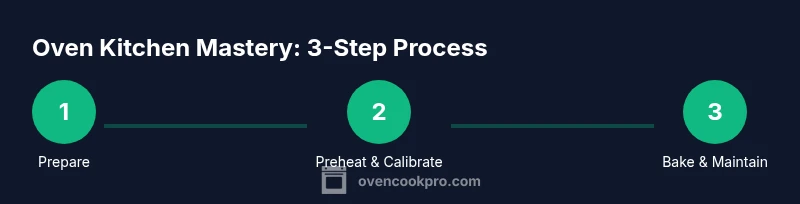
In this guide, you will master your oven kitchen by following a clear, step-by-step process to preheat, calibrate, bake, and clean safely. You’ll learn essential tools, timing, and temperature techniques to achieve consistent results across recipes. Gather an oven thermometer, an assortment of bakeware, and parchment paper to get started.
Why an Optimized Oven Kitchen Matters
An optimized oven kitchen matters because it improves consistency, safety, and efficiency in cooking. A well-tuned oven helps ensure foods bake evenly, browning occurs where intended, and temperatures stay stable during long baking sessions. According to Oven Cook Pro, focusing on heat control and workflow in the oven kitchen reduces common cooking errors and saves time in busy households. By understanding preheating, rack placement, and cookware choices, you can start cooking with confidence. In this section we’ll discuss why precision matters and how small changes can translate into big improvements across family meals, holiday feasts, and weeknight staples. The goal is practical, repeatable results you can trust, whether you’re roasting vegetables, baking bread, or reheating leftovers.
Essential Tools and Setup
A functional oven kitchen starts with the right tools and a clean, organized workspace. You’ll need an oven thermometer to verify actual temperatures, a selection of bakeware appropriate for your recipes, parchment paper or silicone baking mats to prevent sticking, and sturdy oven mitts for safe handling. Create a dedicated prep area near the oven so you can measure, place, and monitor without stepping away. Keep a timer handy, and have a dry cloth or spray bottle for quick cleanups between batches. Finally, ensure your ventilation is adequate to manage steam and odors, especially when roasting or broiling.
Preheating and Calibration: Getting Heat Right
Preheating to the correct temperature is the foundation of reliable results in your oven kitchen. Use an oven thermometer to confirm that the oven reaches the target temperature before you place food inside. If you notice a mismatch between the set temperature and actual heat, consider a simple calibration check following your oven’s manual, or have a service technician verify the sensor. Avoid opening the door during preheating to minimize heat loss, and use a timer to ensure consistent preheat duration. This step prepares the oven for even heat distribution throughout the cooking process.
Temperature Management and Rack Positions
Heat distribution in an oven can vary by rack level and bakeware. Place the rack in a middle position for most bread and sheet-pan dishes to balance top and bottom heat. If you’re browning the top more quickly, shift to a lower rack or reduce top heat when appropriate. In a convection oven, use the fan setting sparingly for delicate items and more frequently for items that benefit from extra air circulation. Keeping your bakeware flat and spaced evenly helps heat move around the food rather than around the pan’s edges.
Baking Strategies for Even Results
Even results come from consistent heat, proper cookware, and tactical placement of items. Use light-colored, heavy-gauge bakeware to promote even browning, and rotate pans halfway through longer bakes to account for any hot spots. For cookies or pastries, avoid overcrowding to prevent steaming; give space for air to circulate and edges to crisp evenly. When baking multiple trays, stagger them on alternating racks and monitor closely for browning differences so you can adjust next time. The goal is repeatable, predictable outcomes across recipes.
Oven Safety and Maintenance Routines
Safety begins with a clean, well-maintained oven. Regularly wipe up spills after cooling to prevent smoke and residue, and inspect door seals for gaps that may cause heat loss. Always use heat-resistant gloves when handling hot racks and trays, and keep a fire extinguisher accessible in the kitchen as a precaution. Schedule periodic maintenance checks and replace damaged gaskets or burners promptly. A routine cleaning keeps odors down and enhances efficiency by minimizing resistance to heat flow.
Troubleshooting Common Oven Issues
Many oven issues stem from heat management, incorrect rack placement, or dirty components. If food browns unevenly, recheck rack height and consider preheating accuracy. Food taking longer than expected may signal a temperature drift or worn-out seals. When odors linger after cooking, a thorough interior wipe-down and vent check can help. Document persistent problems and consult your appliance manual or service technician if needed.
Tools & Materials
- oven thermometer(Place on a rack to verify actual oven temperature and calibrate when needed.)
- assorted bakeware (sheet pans, cake pans, etc.)(Choose materials that promote even heat; avoid overly dark pans for delicate cakes.)
- parchment paper or silicone baking mats(Prevent sticking and promote even browning; reusable mats save time.)
- oven-safe racks(Have multiple positions ready to optimize heat exposure.)
- heat-resistant oven mitts(Choose insulated, durable gloves for safe handling.)
- timer or smart device(Track preheat and bake times to maintain accuracy.)
- microfiber cloth or spray bottle(For quick post-use cleaning and maintenance.)
- oven manual (model-specific)(Reference for calibration steps and safety features.)
Steps
Estimated time: 60-90 minutes
- 1
Prepare workspace and gather tools
Set up your prep area near the oven. Gather all essential tools and materials listed above, inspect the thermometer for accuracy, and ensure surfaces are clean before you start.
Tip: Double-check that you have every item on hand to avoid mid-task interruptions. - 2
Place oven thermometer and assess baseline heat
Position the thermometer where it will read the center of the oven. Compare actual heat to the set temperature and note any drift.
Tip: Keep the thermometer away from door seals and racks to get an accurate reading. - 3
Preheat to target temperature and verify
Set the oven to the recipe’s temperature and allow it to reach heat. Use the thermometer to confirm alignment with the target.
Tip: Avoid opening the door during preheating to prevent heat loss. - 4
Arrange racks and bakeware for even heat
Place racks in a middle position for standard bakes; space pans evenly for optimal air flow. Use parchment or mats to prevent sticking.
Tip: Stagger multiple trays so heat circulates around each one. - 5
Run a test bake to gauge heat distribution
Bake a small test item or a simple batch to observe browning and texture. Note any hot spots or cooling issues.
Tip: If browning is uneven, adjust rack height or rotate items mid-bake. - 6
Adjust settings for different recipes
Apply learned adjustments—rack position, bake time, and temperatures—based on recipe type and oven behavior.
Tip: Maintain a log of adjustments for future reference. - 7
Post-cooking cleanup and maintenance
Turn off the oven, wait until safe to handle, and clean spills. Wipe interior surfaces to maintain efficiency and safety.
Tip: Regular maintenance reduces odors and improves heat transfer over time.
Questions & Answers
What is preheating and why is it important?
Preheating brings the oven to the target temperature before you start cooking, ensuring the initial heat drives the cooking process consistently. This helps with proper texture, color, and doneness.
Preheating brings the oven to the right heat before cooking, which helps foods cook evenly from the start.
How do I calibrate my oven at home?
Check the actual temperature with a reliable oven thermometer and compare it to the set temperature. If there’s a drift, follow your manufacturer’s calibration steps or consult a technician.
Check the thermometer against the set temperature and adjust per the manual or a technician if needed.
Should I use convection or conventional heat for baking?
Convection can promote faster, more even browning by circulating air. For delicate items, conventional heat may yield gentler, steadier results. Use convection when recommended by the recipe.
Convection helps with even browning; for delicate foods, conventional heat might be better.
Where should I place baking sheets for even heat?
Place baking sheets on a middle rack for most cookies and sheet pan dishes. For items needing browning, adjust the rack up or down as needed.
Use the middle rack for most bakes; move the rack if you need more top or bottom browning.
How often should I clean my oven to maintain performance?
Regular light cleaning after use helps maintain performance and reduces odors. Deep cleaning can be scheduled periodically based on usage and spill frequency.
Clean after use to keep heat efficient and odors down.
Can I use parchment paper or silicone mats interchangeably?
Both parchment paper and silicone mats prevent sticking and promote even browning. Choose based on recipe, heat tolerance, and reusability needs.
Parchment paper and silicone mats both help with sticking and browning; pick based on reuse and temperature limits.
Watch Video
Main Points
- Preheat accurately before loading food
- Use an oven thermometer for reliable heat
- Position racks to balance heat exposure
- Rotate pans for even browning
- Maintain regular oven cleanups for peak performance