Oven Heating Element Replacement: Step-by-Step Guide
Learn how to safely replace an oven heating element with a clear, step-by-step process. Essential tools, safety tips, and testing guidance from Oven Cook Pro help homeowners restore reliable heating and extend oven life.


By the end of this guide, you will safely replace a faulty oven heating element, restore even heating, and prevent recurring failures. You’ll learn to identify symptoms (like uneven heat or temperature errors), gather the right tools, choose the correct replacement part, and follow a clear, step-by-step process to install and verify the new element. This is a hands-on repair suitable for confident DIYers with basic electrical safety practices.
What is an Oven Heating Element and Why Replacement Matters
An oven heating element is the coil or ceramic assembly that heats food from inside the oven cavity. Depending on the model, it may sit on the back wall, the bottom, or near the top of the oven. When it fails, you’ll notice cold spots, uneven browning, longer preheat times, or an error message on a digital display. Replacing the element restores reliable heat and helps maintain consistent cooking results across recipes.
From a homeowner’s perspective, recognizing the symptoms helps you decide whether you need a replacement now or later. According to Oven Cook Pro, understanding symptom patterns saves time and reduces food waste by avoiding under-heated dishes. If you see visible signs of damage like blistering or a broken coil, stop using the oven and begin the replacement process.
Common Causes of Element Failure
Element failure typically happens over time due to heat cycling, age, and exposure to spills. Corrosion at the terminal connections can increase resistance, causing the element to overheat or fail to heat altogether. Physical damage from thermal shocks (such as placing a cold dish on a hot element) or accidental contact with metal racks can also compromise the coil. Electrical surges and worn insulation can shorten element life too. Understanding these causes helps with prevention and informs your replacement decision.
Safety First: Is It Safe to Replace the Element Yourself?
Replacing an oven heating element involves working with live electrical components and high temperatures. If you’re not comfortable with electrical work, or if your oven is under warranty, consider calling a professional. Always unplug the oven and switch off the circuit breaker before beginning any work. Never touch exposed terminals with bare hands, and wear insulated gloves during the process. When in doubt, consult the manufacturer’s manual or an experienced technician.
This guide emphasizes safety first. Never bypass safety steps or attempt repairs on a gas-powered or non-electric oven without professional guidance. The goal is a safe, reliable replacement that doesn’t endanger you or your home.
Prepare Your Kitchen and Power Safely
Start by turning off the power at the wall outlet and, if possible, the circuit breaker that serves the oven. Remove any racks or trays that could snag tools or obstruct access. Gather your replacement element, tools, and a camera or notebook to document wiring. Label wires or take photos before disconnecting anything so you can reconnect correctly. If your oven has a back panel, remove it only after ensuring there is no risk of contacting live components.
Pro tip: a clean, well-lit workspace reduces mistakes. Keep a small tray nearby for screws and connectors to avoid losing parts during the swap.
How to Identify the Right Replacement Element
Choosing the correct replacement element is critical for safety and performance. Start by identifying your oven’s model and the element location (bake vs. broil). Check wattage specifications and terminal type to ensure compatibility. When possible, opt for OEM or manufacturer-recommended parts to maximize longevity and performance. Verify the element’s shape (coil on top or bottom, straight vs. curved) and mounting method to match your oven’s design. If you’re unsure, contact the manufacturer or a retailer with your model number to confirm compatibility.
As you shop, compare replacement options from reputable brands and read user reviews to gauge reliability. A proper fit prevents improper heat distribution and reduces the risk of electrical faults.
Installation Overview: How the Replacement Works
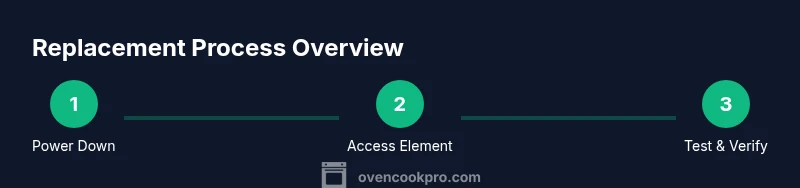
The replacement process follows a straightforward sequence: access the heating element, disconnect the wiring with care, remove the old element, install the new element, reattach wiring, and reassemble the oven. The key is to keep track of wire connections and to secure the element firmly so it doesn’t shift during operation. Always inspect insulation and mounting points for wear before installing the new part. A careful, methodical approach reduces the risk of future failures.
For a successful installation, ensure you have the exact replacement part and that the mounting screws fit flush without forcing components.
Installation: Step-by-Step Overview (High-Level)
- Access the element and locate its mounting screws and terminal wires.
- Disconnect wires one by one, labeling them if needed.
- Remove the old element from its housing and set it aside.
- Prepare and align the new element, then attach it securely with mounting screws.
- Reconnect the wires to their corresponding terminals, ensuring tight, clean connections.
- Reassemble any panels or racks and restore power to the oven.
- Run a short test bake to confirm heating and temperature accuracy.
This section provides a high-level map. The detailed, numbered steps are in the STEP-BY-STEP block for precision and safety.
Testing and Verification After Replacement
With power restored, preheat the oven to a moderate temperature (for example, 350°F/175°C) and observe how quickly it reaches the target temperature. Check multiple racks if applicable and test a simple bake to assess heat distribution. If the oven heats unevenly or doesn’t reach the expected temperature within a reasonable time, double-check the wiring and mounting and reseat connections. Listen for unusual noises or sizzling sounds, which may indicate loose connections or damaged insulators.
Keep a log of temperatures and bake results for future reference. A properly replacing heating element should bring even browning and reliable preheating times.
Maintenance Tips to Extend Element Life
To extend the life of your oven heating element, keep the interior clean and free of baked-on residues that can cause hotspot formation. Avoid placing metal utensils near a heating element while it’s on and prevent rapid temperature changes that can stress the coils. Regularly inspect wiring and terminal connections for corrosion or looseness. If you notice discoloration, cracking, or a burnt smell, stop using the oven and inspect the element promptly. Proper maintenance reduces the likelihood of future failures and extends the element’s lifespan.
When to Call a Professional and What to Expect
Some ovens are difficult to access or require special tools or calibration that go beyond basic DIY skills. If the replacement involves complex wiring, back-panel removal, or a model with electronic control boards, it’s prudent to hire a licensed technician. Professional service can ensure the replacement is correctly wired, tested, and calibrated to your oven’s specifications. Expect a diagnostic, parts replacement, and a post-install test bake. Early guidance from a pro can prevent accidental damage and maintain warranty coverage where applicable.
Tools & Materials
- Replacement heating element (model-specific)(Model-compatible element with matching wattage and terminal type)
- Screwdrivers (Phillips and flat-head)(Sizes vary by model; #2 Phillips is common)
- Nut driver or socket set(For mounting screws on the element housing)
- Needle-nose pliers(Helpful for gripping connectors without damaging wires)
- Multimeter or continuity tester(Check for continuity and confirm power is off)
- Non-contact voltage tester(Verify there is no live voltage before touching components)
- Electrical tape(Insulate exposed connectors if needed)
- Wire nuts (insulated splices)(Secure any splices and prevent wire movement)
- Insulated oven-safe gloves(Protect hands from heat and sharp edges)
- Rags or paper towels(Clean up spills and wipe down connectors)
- Small flashlight(Improves visibility in tight spaces)
Steps
Estimated time: 60-90 minutes
- 1
Power down and safety check
Unplug the oven from the wall outlet and switch off the circuit breaker that serves the oven. This is the critical first step to prevent electric shock during the replacement.
Tip: Double-check with a non-contact voltage tester before touching any wiring. - 2
Access the heating element
Remove racks and any interior panels or back covers that obscure the element. Create a clear workspace so you can see the mounting screws and wire terminals.
Tip: Lay a towel inside the oven to catch screws that may drop during removal. - 3
Label and disconnect wires
Take a clear photo or label each wire before disconnecting. Use gentle pressure with needle-nose pliers to loosen terminal connectors without damaging the wiring.
Tip: Keep track of which wire goes to which terminal; incorrect reconnects can cause heating issues. - 4
Remove the old element
Unscrew the mounting screws and gently pull the element away from its housing. If any insulation is brittle, stop and assess for damage before continuing.
Tip: Do not force the element through tight spaces; plan a straight path for the new part. - 5
Prepare the replacement element
Inspect the new element for any shipping damage. Confirm the shape and mounting holes align with the oven’s design. Ensure the connectors match the wiring arrangement.
Tip: If the terminal blocks look corroded, replace the wiring harness or consult a pro. - 6
Install the new element
Insert the new element into the housing and secure with mounting screws. Reconnect the wires to their corresponding terminals, ensuring tight, clean connections.
Tip: Avoid overtightening screws, which can crack the housing or strip threads. - 7
Reassemble and power up
Reinstall any panels, racks, and covers. Restore power at the breaker and plug the oven back in. Do not touch live components during this step.
Tip: Keep the area clear in case you need to quickly cut power again. - 8
Test and verify
Preheat to a moderate temperature and observe heat delivery. Run a simple bake to check evenness and temperature accuracy across racks.
Tip: Document results for future reference and notify if heat is uneven.
Questions & Answers
Can I replace an oven heating element myself?
Yes, many homeowners can replace an oven heating element with the right parts and strict adherence to safety guidelines. If you’re uncomfortable with electrical work, or your oven is under warranty, consult a professional.
Yes, you can, but if you’re unsure about electrical work or the warranty, consult a professional.
How do I know which replacement element to buy?
Check the oven’s model number, confirm wattage, and verify the terminal type. Choose a part labeled as compatible with your model or OEM recommended to ensure proper fit and performance.
Check the model number, wattage, and terminal type to buy the correct replacement.
What safety precautions should I take?
Always unplug the oven and switch off the circuit breaker. Use insulated gloves and verify no voltage at the terminals before touching anything.
Always unplug, switch off the breaker, and verify no voltage before touching any wires.
How long does replacement typically take?
Most replacements take about 1 hour to 1.5 hours for a straightforward install, longer if there’s panel access or wiring complexity.
Most replacements take about 1 to 1.5 hours.
Will replacing the element affect my warranty?
Replacing parts yourself can affect warranty coverage. Check the manufacturer’s terms and consult a professional if the oven is under warranty.
DIY replacement can affect warranty; review terms or seek professional help if under warranty.
What if only one heating mode fails (bake vs broil)?
If only one mode fails, the issue could be a separate element or wiring path. Test both modes after replacement and consider other components if problems persist.
If one mode fails after replacement, check both elements and circuitry; test both bake and broil modes.
Watch Video
Main Points
- Identify symptoms before replacement.
- Match part by model, wattage, and terminal type.
- Power down and test safely.
- Follow step-by-step installation precisely.
- Consider professional help for complex ovens or warranty concerns.