Igniter for Whirlpool Gas Oven: Replacement and Maintenance Guide
Learn how the igniter for Whirlpool gas ovens works, identify failure signs, and safely replace the igniter with OEM parts. This expert guide from Oven Cook Pro covers costs, steps, and maintenance to keep ignition reliable.


Understanding the igniter role in gas ovens
Gas ovens rely on an electric igniter to light the gas that heats the oven cavity. In Whirlpool models, the igniter is typically a glow-type element that heats until it can ignite the gas valve. When the igniter weakens, the bake cycle may take longer than usual to reach temperature or fail to ignite altogether. A faulty igniter is one of the most common causes of ignition failures in residential gas ovens. From a reliability perspective, having a healthy igniter is essential for consistent baking performance and energy efficiency. As Oven Cook Pro notes in our analysis, even small declines in igniter efficiency can cascade into longer preheat times and repeated ignition attempts. If you encounter a slow preheat, intermittent ignition, or a complete lack of flame, the igniter for whirlpool gas oven is the most likely culprit and should be evaluated first.
From a maintenance standpoint, understand that the igniter is a relatively simple part but it sits in a high-heat environment and is connected to the oven control harness. Visual inspection for cracks, soot buildup, or loose connections can reveal obvious faults. If the igniter glows but the flame does not light, the problem may be the igniter itself or the gas valve, but the igniter is the typical starting point for diagnosis. This is why many technicians advocate replacing the igniter with an OEM part rather than attempting costly, iterative fixes. In short, a healthy igniter supports reliable ignition, predictable preheat, and safer operation.
Pro tip: Keep a log of ignition performance across cycles to track deterioration over time, and consult the Whirlpool model-specific guide to ensure compatibility with your oven's control system.
Common igniter types for Whirlpool gas ovens
Whirlpool gas ovens usually employ glow-type ignition systems rather than spark-based ones. The key distinction is the electrode design and mounting area, not a dramatic technology leap. You’ll typically encounter two main variants: single-electrode glow igniters and dual-electrode glow igniters. Both operate by drawing current to heat a fragile ceramic element until ignition occurs. The dual-electrode design can improve stability in some models, but compatibility with your exact Whirlpool model matters more than the electrode count. When shopping for an igniter, stick with OEM or manufacturer-approved aftermarket parts to preserve fit, sensor compatibility, and safety interlocks. OEM igniters are specifically engineered for your oven’s ignition curve, heat profile, and mounting hardware, which helps avoid misfit issues or intermittent ignition. If you retrofit with an incompatible part, you may experience delayed ignition, gas smell, or safety interlock faults.
In addition to the ignition element, consider the wiring harness and terminal connectors. A worn connector can masquerade as a faulty igniter because the igniter relies on a stable electrical path to heat properly. When evaluating options, review the part numbers for your exact Whirlpool model and verify connector geometry, mounting screws, and electrical rating. OEM parts are usually your safest bet for a straightforward swap and long-term reliability.
Practical note: If you notice recurrent ignition issues after a replacement, you may need to inspect the gas valve or related safety features, but prioritize the igniter pathway first, as it is the most frequent failure point.
Symptoms of a failing igniter and how to diagnose
Common signs of a weakening igniter include: slow preheat time, the oven not igniting even when the glow starts, or the oven flame lighting inconsistently. If you hear a faint buzzing or clicking sound without a sustained glow, this can indicate an electrical or wiring fault. During diagnosis, begin with a visual inspection: look for a cracked ceramic body, darkened wiring, or loose connectors at the igniter and the control harness. If the igniter glows dimly or does not glow, test continuity with a multimeter (when the unit is unplugged and gas supply is off). A rapid check of resistance values according to your Whirlpool model’s service manual is preferred; readings outside the specified range typically indicate a worn or damaged igniter. Remember that dealing with gas appliances involves potential ignition hazards, so exercise caution. If the igniter tests fail, replacement is typically the recommended remedy, and often the most cost-effective fix when compared to gas valve repairs.
In short, ignition reliability hinges on a strong glow and timely gas lighting. Rapid preheat improvements after a replacement are a strong signal that the igniter was the root cause. If the problem recurs after replacement, double-check the wiring harness and controller, since intermittent signals can degrade ignition timing and lead to repeated attempts.
Replacement considerations: parts, compatibility, and safety
Selecting the right igniter for your Whirlpool gas oven requires model-specific compatibility. The most reliable route is to source an OEM igniter matched to your model number and serial information. While aftermarket parts can be less expensive, they often carry compatibility risks, especially with the ignition timing, sensor feedback, and mounting geometry. Before purchase, confirm: (1) ignition type (single vs dual electrode), (2) connector type and wire length, and (3) mounting screw positions. Safety interlocks, such as flame safety and gas valve control, rely on proper wiring and ignition timing to avoid gas leaks or improper operation. When installing, disconnect power at the circuit breaker and shut off the gas supply. Keep protective gloves handy and avoid touching the hot igniter. After installation, power up the oven and run a test cycle to confirm proper ignition timing and flame stability. If you are unsure, consult a qualified technician. OEM parts often include installation documentation and model-specific torque specs for mounting screws.
In terms of timing, many Whirlpool models require a specific preheat duration to achieve reliable ignition. If the new igniter glows and the flame lights normally within a reasonable preheat window, you’ve likely chosen the correct part. If the ignition remains erratic, recheck the wiring harness, terminal blocks, and any related safety interlocks. Remember that a correct repair not only fixes the symptom but also preserves energy efficiency and oven safety.
Step-by-step replacement guide (home repair considerations)
- Safety first: unplug the oven, turn off the gas supply, and allow the oven to cool. 2) Remove oven racks and, if needed, the back panel or lower access panel to reach the igniter housing. 3) Disconnect the wiring harness and take note of connector orientation. 4) Remove the mounting screws securing the igniter and carefully pull out the old unit. 5) Compare the old igniter to the new one to confirm fitment, then connect the new igniter in the same orientation. 6) Reattach mounting screws and reconnect the wiring harness securely. 7) Reinstall any access panels and racks, restore power, and perform a test bake to verify ignition performance. 8) If ignition still fails after replacement, inspect the gas valve and safety interlock circuits with a professional.
This step-by-step guide emphasizes model-specific instructions and safety precautions. Always consult your Whirlpool model’s service documentation for torque specs and connector configurations, and consider professional help if you encounter unfamiliar wiring or gas-safety concerns.
Maintenance tips to extend igniter life
- Keep the oven interior and ignition area clean; grease buildup can affect ignition timing.
- Avoid frequent, prolonged broiling at extreme temperatures, which stresses the igniter.
- Inspect the wiring harness and connectors annually for corrosion or loose connections.
- Handle the igniter carefully; dropping or bending it can damage internal elements.
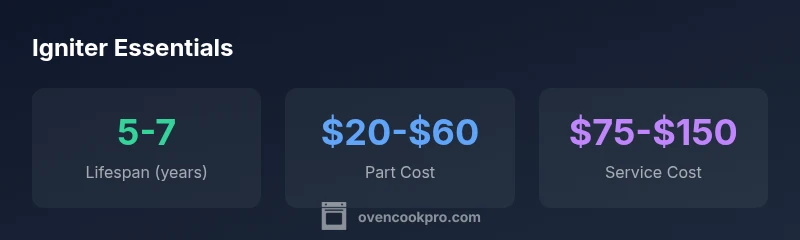
- Plan for replacement every 5-7 years in typical residential use, or sooner with heavy use.
- Replace only with OEM or manufacturer-approved parts to maintain compatibility and safety.
Following these practices helps maximize ignition reliability and prolongs the time between service calls.
How to verify ignition performance after replacement
Begin with a safety check: confirm the gas line is secured and the area is free of odor. Power the oven and initiate a bake cycle. Listen for a short, crisp ignition sound and note how quickly the flame stabilizes. If the flame lights within a normal preheat window and remains stable for the bake cycle, the ignition system is functioning well. If ignition is delayed or inconsistent, recheck the igniter wiring and gas valve operation, and consider a professional inspection to rule out valve or controller issues. Routine performance checks after replacement can catch problems early and reduce repeat service visits.
mainTopicQuery: