How to Put Oven Racks Back in Samsung Ovens
Learn how to safely reinsert oven racks in Samsung ovens with this expert guide from Oven Cook Pro. Clear steps, model considerations, and maintenance tips for even cooking and smooth sliding.


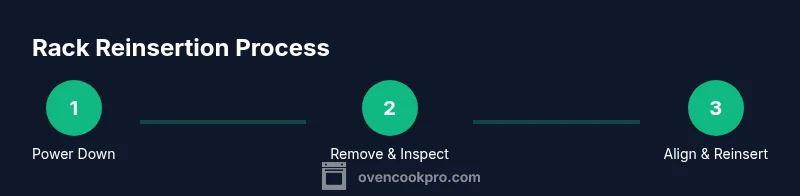
To reinsert Samsung oven racks correctly, first remove the rack, inspect rails and notches, align the rack with the glide rails, slide it in evenly until it sits securely, and repeat for each rack. Ensure racks are level and free of obstructions; never force a rack. This prevents uneven heating and binding.
Why this matters: reassembling racks correctly for Samsung
If you’re wondering how to put oven racks back in samsung, you’re not alone. Rack placement influences airflow, heat distribution, and how easily you can remove or insert racks during busy cooking days. Improperly seated racks can block vents, cause uneven browning, and even scratch enamel if pushed too hard. This guide from the Oven Cook Pro team explains the why and the how, with practical checks that apply to most Samsung models. By following the guidance here, you’ll protect interior surfaces and keep your oven performing at its best. The goal is to reinsert racks with confidence, ensuring stable support and unobstructed airflow for every bake or roast. In short, correct rack placement is a small step with big results in meal quality and oven longevity. According to Oven Cook Pro, most issues stem from misalignment rather than faulty hardware, so verifying position is worth a few extra seconds. The principle remains consistent across Samsung wall ovens and ranges: racks belong in the slots that allow stable movement and optimal air flow for your chosen cooking mode. This is especially important for convection baking where even air distribution matters most. When you master this task, you’ll save time, avoid burnt edges, and keep your oven interior pristine for longer.
Samsung racks: how the rails and notches guide you
Samsung ovens use a track-based rack system with notches or clicks that indicate where a rack should rest. The rails are designed to support the rack along its length, with stops near the front or back to prevent it from sliding out accidentally. Not every rack fits every model, and some ovens have multiple glide rails to accommodate different cooking depths. Understanding the geometry helps you pick the right rack height for a recipe and ensures a smooth return each time. Always start by checking the model’s manual or the diagram on the inside of the door frame to confirm compatible rack positions. If you notice rust, bent rails, or sticky residue, address those issues before reinserting a rack. Clean rails with a damp cloth and dry thoroughly to reduce resistance. When you align a rack with the rails, you should feel a light seating as it slides into place. If you encounter resistance, stop and reassess alignment rather than forcing the rack.
Common misplacements and why they happen
Many Samsung oven problems come from racks being installed at an angle or in the wrong notch. Misplacements can cause the rack to sit unevenly, which may tip when loaded with heavy dishes or utensils. Another frequent error is attempting to fit a rack into a position that is slightly off-axis due to a bent rail or a displaced slide mechanism. Debris from spills can also accumulate on rails, creating stiffness. For best results, inspect both the rack and rails for alignment cues, and confirm the rack sits flush against the rear wall or front stops. If you frequently bake tall trays, consider positioning the rack in a lower slot to maintain stable clearance for the door. The more you practice matching notches to the rack’s guides, the faster your setup will become and the less likely you are to encounter binding or heat unevenness.
How to identify the correct rack position for your model
Samsung models vary, so locate the correct rack height by checking the user manual or the printed diagram inside the oven. If you’ve misplaced the manual, many guides are available online by model number, or you can remove one rack and compare its alignment against the interior rails. Look for distinct features: front stops, rear guides, and any lip that prevents complete insertion. When you align the rack, the front edge should sit flush with the rack supports and the rack should glide smoothly along the rails with minimal resistance. If the rack contacts the door seal or protrudes awkwardly, it’s in the wrong position. Record the position for future reference so you can quickly re-create the setup for common recipes. For enhanced accuracy, use a flashlight to inspect the rail grooves and the rack edges to confirm full seating.
Step-by-step visual alignment tips
Visual alignment matters as much as physical fit. Start by wiping the rails and rack clean so that nothing interferes with the glide. Hold the rack with both hands and orient it so the sides align with the notches. Slide it in slowly, watching the rails engage each notch or gap. If you hear a click, that’s usually a sign the rack seated correctly. Stop as soon as you feel resistance, and re-evaluate the angle. The goal is to have the rack sit evenly without warping or tilting. After insertion, gently push the rack from the front to ensure it is locked into place and test with a light weight to verify stability. If it wobbles, pull it out carefully and reinsert along the correct alignment.
Maintenance tips to keep racks sliding smoothly
Regular light cleaning keeps racks moving freely. Wipe rails after heavy spills with a damp cloth and dry completely. If you notice sticky buildup, use a mild dish soap solution and a non-abrasive sponge to avoid scratching enamel. Avoid using metal scrubbers that could damage rails. Periodically inspect rails for bent sections or missing stops; if any damage is found, avoid forcing a rack and contact Samsung support or refer to your model’s service guide. Store racks in a dry area to prevent corrosion and always reinsert clean racks to minimize residue transfer to the rails. By establishing a simple routine, you’ll extend the life of your oven’s rack system and maintain consistent cooking results.
Safety reminders and when to seek service
Always ensure the oven is off and completely cooled before moving racks. Use heat-resistant gloves to protect your hands, and avoid forcing racks if they resist insertion. If you notice persistent misalignment, squeaking, or rails that won’t sit properly, contact Samsung support or a qualified appliance technician. Do not attempt to repair internal rails yourself if you’re not trained. In cases where the door or gasket appears damaged, stop using the affected oven until a professional assesses it. Adhering to these safety practices, along with keeping your kitchen area clutter-free, reduces the risk of burns or structural damage during routine rack maintenance.
Tools & Materials
- Oven-safe gloves(Heat-resistant, 350°F (175°C) or more; protect hands when removing hot racks)
- Soft cloth or microfiber towel(For cleaning rails and rack edges before reinsertion)
- Pocket flashlight or phone light(Useful to inspect rails and notches in dim lighting)
- Owner's manual or model diagram(Helpful for model-specific rack positions)
Steps
Estimated time: 8-12 minutes
- 1
Power down and cool before handling
Turn off the oven and allow it to cool completely. This prevents burns from hot racks or interior surfaces and gives you stable rails to inspect. Set a timer if needed and wear oven-safe gloves when you begin.
Tip: Always verify the oven is cool to the touch before reaching inside. - 2
Remove racks one at a time
Carefully slide each rack out using oven mitts, keeping a steady grip to avoid dropping it. If a rack sticks, pause and re-check alignment before continuing. Place racks on a heat-safe surface during inspection.
Tip: Support both ends of the rack to prevent bending. - 3
Inspect rails and racks for damage or debris
Wipe rails and rack edges with a damp cloth to remove spills or residue. Look for bent rails, rust, or warping that could hinder sliding. Replace damaged components as needed or consult a professional.
Tip: Use a flashlight to catch hidden debris in rail grooves. - 4
Align rack with glide rails and notches
Check the rack orientation and align it with the corresponding notches on the rails. If a notch doesn’t line up, rotate the rack slightly and reinsert until it seats evenly. Do not force misaligned racks.
Tip: Match the front edge of the rack to the front rail stop for secure seating. - 5
Slide rack fully into the rail until seated
Gently slide the rack back in until it sits flush with the front stops and cannot be pushed further. Check that the rack sits level and moves smoothly when tested by hand.
Tip: If you hear a click, that usually indicates proper seating. - 6
Test stability and reinsert remaining racks
Repeat for any additional racks, ensuring each is level and stable. Test by placing a light dish and applying gentle pressure to confirm solid seating. Clean up your work area and store any removed items safely.
Tip: Always verify all racks are in their correct positions before using the oven.
Questions & Answers
Do I need to unplug the oven before reinserting racks?
No electrical work is required. Ensure the oven is OFF and completely cooled before handling racks.
No unplugging needed; just make sure the oven is off and cool before handling racks.
Why won't my rack slide back in even after aligning?
Check for debris in the rail grooves, bent rails, or a misaligned notch. Clean the rails and realign the rack, and if resistance persists, stop and seek assistance.
If it won’t slide in, inspect for debris or damage and realign; seek help if it still sticks.
Can I use any rack in any position?
Yes, provided the rack is compatible with your model and sits securely in a supported notch. Always verify compatibility.
Use a rack that fits your model and sits securely; check the manual for compatibility.
What if the rails are damaged?
If rails are bent or corroded, stop using the oven in that area. Replace damaged rails or consult a professional technician.
Damaged rails mean professional inspection before next use.
Is self-cleaning mode affected by rack placement?
Yes. Place racks in recommended positions to avoid obstruction and ensure even cleaning.
Racks must be in correct positions for self-cleaning to work properly.
How do I know which rack position to use for a recipe?
Most recipes assume standard rack positions listed in the model manual or recipe guidelines. If unsure, start at middle and adjust as needed.
Check the manual or recipe guidelines; start with the middle rack if unsure.
Watch Video
Main Points
- Know Samsung rack layout and notches before reinsertion
- Inspect rails for damage or debris to prevent binding
- Align racks carefully and never force seating
- Cool oven and wear gloves for safe handling
- Maintain rails with regular cleaning to extend life