How to Fit an Oven Extractor Fan: Step-by-Step Guide
Safe, step-by-step guidance to fit an oven extractor fan. Learn tools, venting, and essential safety checks for a compliant install that meets local codes.


Learn how to fit an oven extractor fan safely and effectively. This guide covers selecting the right kit, planning duct routes, and performing a compliant install, with focus on power isolation, mounting, and venting. According to Oven Cook Pro, always disconnect power before starting and verify code compliance. The result is improved kitchen ventilation with reduced odor and better appliance performance.
Why fit an oven extractor fan
Benefits: Improved ventilation reduces grease and humidity, removes cooking odors, protects cabinetry, and supports indoor air quality. A well-chosen extractor can also help control heat buildup, which keeps your kitchen more comfortable during long cooking sessions. For many homes, a hood above the oven connected to outdoor venting delivers the best performance, but recirculating models with quality filters offer a viable alternative when external venting is impractical. Planning the installation with the layout of your kitchen in mind saves time and reduces disruption. According to Oven Cook Pro, good ventilation is a cornerstone of safe, efficient cooking and can help extend appliance life. When selecting a unit, consider your oven type (electric vs gas), the available duct path, and noise levels. A unit with a straight, short duct run and modest turns delivers quieter operation and higher efficiency. If you’re remodeling, evaluate ceiling heights, cabinet clearances, and potential obstructions before purchasing kit components. A thoughtful start reduces rerouting and rework later, ensuring reliable performance and easier maintenance over time.
Key considerations and safety before you start
Installing an oven extractor fan involves electrical work, ducting, and mounting in tight spaces. Before you begin, verify local codes and whether a permit is needed. Isolating power at the mains is essential; use a tested voltage tester to confirm no live circuits. If you’re unsure about wiring or connections, stop and consult a licensed electrician. The exhaust duct should be as straight and short as possible to maximize airflow and minimize noise. Use rigid ducting rather than flexible where feasible and seal all joints with foil tape. Considering drainage and space around the oven helps avoid overheating or interference with the oven door. According to Oven Cook Pro analysis, many installation errors center on inadequate venting and improper electrical connections, which can pose fire hazards. If you plan a remodel, schedule the work to minimize dust and disruption to kitchen usage. Finally, ensure that any new wiring is properly enclosed in a junction box and that cable routes avoid contact with hot surfaces.
Venting and ducting best practices
Duct choice greatly affects suction and noise. Prefer metal ducting with smooth internal walls over flexible plastic types, and keep duct runs as short and direct as possible. Each bend adds resistance, so limit elbows and choose a straight path where you can. The fan should vent outdoors whenever practical; if outdoor venting isn’t possible, opt for a high-quality recirculating model with a robust filter system. Seal all joints with foil tape or clamps to prevent air leaks, and insulate duct sections that pass through unheated spaces. Proper diameters and appropriate length help avoid backdrafts and reduce motor strain. Maintenance-friendly layouts also simplify filter changes and cleaning, which preserves performance and heat control over time.
Step-by-step installation overview
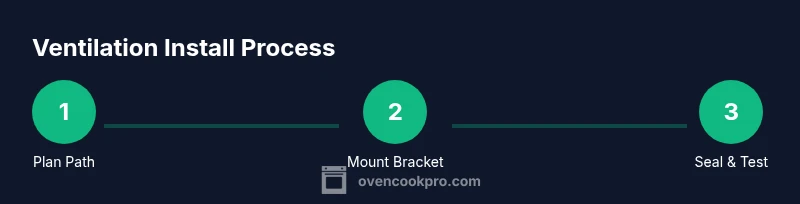
This section provides an overview of the process without duplicating the detailed steps below. Start with a clear plan: identify the fan type (ducted vs recirculating), determine the duct path, and confirm electrical supply arrangements. Ensure you have the right mounting hardware and duct components for your kitchen configuration. Validate that the chosen location allows easy access for maintenance and filter changes. Consider the oven placement and cabinet clearances to avoid interference with door operation. Finally, prepare to test the system at the end of the installation to confirm airflow and seals are working as intended.
Maintenance after installation
Regular maintenance keeps performance high. Clean filters according to the manufacturer’s guidelines, typically every 1–3 months depending on usage. Check duct joints for signs of wear or leaks and reseal if needed. Inspect the exterior vent cover for obstructions such as grease buildup or debris, and clear them promptly. Schedule periodic electrical safety checks to ensure connections remain tight and compliant with local codes. Keeping a simple log of maintenance tasks helps you track when filters were last replaced and when components were inspected.
Common mistakes to avoid
Avoid assuming electrical work is safe without verifying power is off. Always isolate the circuit at the main breaker and test for voltage before handling wiring. Don’t vent through long, winding ducts or multiple bends—these increase noise and reduce performance. Do not use low-quality or non-fire-rated sealants around electrical penetrations. Finally, avoid leaving gaps around vent entries; seal thoroughly to prevent air leaks and moisture intrusion.
Tools & Materials
- Tape measure(To measure duct routes and clearance)
- Screwdriver set (Phillips and flat-head)(For mounting brackets and covers)
- Drill with appropriate bits(For mounting and vent-hole creation)
- Tin snips or duct knife(To trim metal ducting if needed)
- Foil duct tape(Seal joints to prevent leaks)
- Vent kit (ducting, elbows, hood)(Choose length and diameter to suit your setup)
- Cable strain relief / wire connectors(For safe wiring connections)
- Voltage tester or multimeter(Confirm no live circuits before work begins)
- Safety gloves and dust mask(Personal protection during cutting and handling)
- Sealant (fire-rated if required)(Seal around exterior penetrations; check local code)
Steps
Estimated time: 1-2 hours
- 1
Turn off power and plan route
Switch off the circuit at the mains and verify the absence of voltage with a tester. Choose a vent path that minimizes bends and avoids crowded spaces. This step reduces shock risk and sets up a clean route for ducting.
Tip: Label the circuit to prevent accidental re-energizing during work. - 2
Mark mounting points and prepare cut
Measure and mark where the hood or bracket will mount, ensuring alignment with cabinet edges and the oven. If you need to cut a hole, use a sharp template and a proper drill bit, then deburr the edges.
Tip: Double-check alignment with a level to avoid skewed mounting. - 3
Install mounting bracket or hood
Secure the bracket or hood to the wall or cabinet frame using appropriate screws. Ensure a rigid fit that can withstand vibration from the fan. Do not over-tighten, which could strip wood or metal.
Tip: Use wall anchors if mounting into drywall; ensure load-bearing capacity is adequate. - 4
Run ducting and seal joints
Connect duct sections, elbows, and the vent hood in the planned path. Use metal duct where possible and seal all joints with foil tape or clamps to prevent air leaks and grease buildup.
Tip: Keep duct runs as straight and short as possible for best airflow. - 5
Connect wiring safely or call a pro
If you’re qualified, connect the wiring per the unit’s instructions and local code. If not, hire a licensed electrician to handle the power connections and termination in a proper junction box.
Tip: Never work live wiring; risk of fire and electric shock is high. - 6
Test and finalize
Restore power and test the fan operation, airflow, and noise levels. Check for leaks and re-seal any joints if needed. Confirm that the exterior vent opens and closes properly and that the unit is stable.
Tip: Run a longer test to ensure consistent performance before completing trim work.
Questions & Answers
Can I install an oven extractor fan myself?
DIY installation is possible only if you have electrical knowledge and local permit requirements. For many homeowners, hiring a licensed electrician ensures code compliance and safety.
DIY installation is possible only if you are qualified; otherwise hire a licensed electrician to ensure safety and code compliance.
What safety checks should I perform before starting?
Turn off the power at the main breaker and test all live circuits to confirm they’re off. Confirm duct routing won’t interfere with cabinets, plumbing, or gas lines, and wear protective gear during cutting.
Begin by turning off power and confirming no voltage. Check the route and wear protective gear.
Do I need a permit to fit an oven extractor fan?
Permit requirements vary by location. Check your local building codes or housing association rules. If uncertain, consult a professional to confirm permit needs.
Permit rules differ by area—check local codes or ask a professional.
What type of extractor is best for my oven?
A ducted system provides the best ventilation by expelling air outside. If outdoors isn’t possible, a high-quality recirculating unit with a good filter is acceptable, though less efficient.
Ducted is usually best; if not possible, use a quality recirculating unit.
How should I maintain the extractor after installation?
Clean or replace filters as recommended by the manufacturer, inspect duct joints for leaks, and ensure the vent cover remains unobstructed. Schedule periodic safety checks.
Keep filters clean and inspect ducts regularly for leaks.
What are common mistakes to avoid?
Avoid shortcut wiring, long duct runs, and skipping joints sealing. Do not overlook the need for a junction box and proper cable protection. Plan for maintenance and filter changes.
Don’t shortcut wiring or ducting, seal joints, and plan for maintenance.
Watch Video
Main Points
- Plan the vent path before buying components.
- Isolate power and confirm no live circuits prior to wiring.
- Choose ducting with minimal bends for best airflow.
- Consult a licensed electrician for electrical work if unsure.