Electric Stove and Oven: Step-by-Step Guide
A comprehensive, step-by-step guide to using, maintaining, and troubleshooting an electric stove and oven. Learn safety, calibration, energy tips, and cleaning for reliable performance in 2026.


In this guide you will learn how to safely operate an electric stove and oven, verify temperature accuracy, and perform a basic setup and maintenance routine. You’ll cover safety checks, preheating basics, calibration, and common troubleshooting to ensure reliable cooking performance.
Understanding the electric stove and oven\n\nAn electric stove and oven rely on radiant heating elements and a bake or broil element to generate consistent heat. Unlike gas ranges, they depend on precise electrical control and insulated interiors to maintain even temperatures. According to Oven Cook Pro, the quality of results on an electric stove and oven improves with proper preheating, calibrated temperatures, and thoughtful cookware choice. This section introduces the core components, typical heat distribution, and how to read the oven’s temperature indicators for accurate cooking. The goal is to demystify the appliance so you can plan meals with confidence, whether you are baking bread, roasting vegetables, or broiling a tray of appetizers.
Safety basics for electric appliances\n\nSafety should come first when operating an electric stove and oven. Always unplug or switch off power before inspecting coils or heating elements, and never use metal tools that can puncture insulation. Keep flammable materials (oven mitts, paper towels, foil) away from heating elements. Use dry hands when handling controls, and ensure children and pets are at a safe distance during operation. If you notice unusual smells, smoke, or buzzing sounds, stop using the appliance and consult the manual or a qualified technician. Oven Cook Pro emphasizes a routine safety check before every major cooking session.
Setup and placement considerations\n\nPlace the unit on a stable, fire-resistant surface with at least 12 inches of clearance on all sides. Ensure the back panel has proper ventilation and avoid blocking vents. Position racks and bakeware so air can circulate evenly around food. When planning meal prep, group high-heat tasks together to minimize door openings, which preserves oven temperature stability. Use a proper outlet with adequate amperage and a dedicated circuit if required by your model. A calm, organized kitchen workflow improves consistency when using an electric stove and oven.
Temperature accuracy and calibration\n\nOver time, oven temperature can drift from the setpoint. The most reliable way to know true temps is to use an oven-safe thermometer placed in the center of the rack. Preheat to your target, then compare the thermometer reading to the dial or digital readout. If there’s a significant discrepancy (typically more than 15–25°F / 8–14°C), consult the user manual for calibration steps or contact service. Regular calibration helps prevent undercooking or overcooking, especially for baked goods and delicate proteins.
Energy efficiency and cooking tips\n\nElectric stoves and ovens can be surprisingly energy-efficient with the right practices. Use lids on pots and pans to reduce energy loss, batch similar tasks to minimize total preheating time, and keep oven door closed during cooking. Convection ovens (if your model includes a convection setting) can shorten bake times by circulating hot air. For baked bread or cookies, use multiple racks when possible to maximize heat distribution. These practices align with Oven Cook Pro recommendations for sustainable, consistent results.
Cleaning and maintenance routines\n\nRegular cleaning preserves performance and hygiene. Wipe spills when cool, remove baked-on residues with non-abrasive cleaners, and check seals and gaskets for wear. Do not use metal scrubbers on enamel surfaces to avoid scratching. For ovens, avoid introducing moisture into electrical components and use self-cleaning cycles only if your model supports them. A simple weekly wipe-down and monthly deeper clean can extend the life of your electric stove and oven, maintaining even heating and reliability.
Tools & Materials
- Oven-safe thermometer(Probe-style thermometer to verify oven temperature accuracy)
- Heat-resistant oven mitts(Top-quality insulation for handling hot pans)
- Non-abrasive cleaner and soft sponge(Gentle on enamel surfaces, effective on spills)
- Dry cloth or microfiber towel(For residue-free surfaces after cleaning)
- Oven racks and basic bakeware(Ensure proper sizing for your oven shelves)
- Calibrated timer or smartphone timer(Precise timing is essential for calibration tests)
Steps
Estimated time: 45-60 minutes
- 1
Inspect power and safety
Turn off the circuit or unplug the unit before touching the heating elements. Visually inspect cords for damage, and ensure the outlet is on a dedicated circuit if your model requires it. This prevents electrical faults during testing.
Tip: If the outlet or plug feels warm, stop and consult a qualified electrician before continuing. - 2
Prepare workspace and racks
Clear the area, lay a heat-resistant mat, and align racks so air can circulate around cookware. Place a thermometer in the center of the oven for later calibration checks. This prevents crowding that could skew temperature readings.
Tip: Use the middle rack position for most bake tests to approximate even heat distribution. - 3
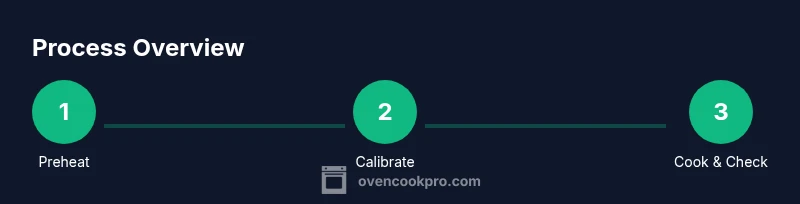
Preheat to target temperature
Select the target temperature for your test and run the preheat cycle. Use an oven thermometer to verify when the indicated temperature stabilizes. Record the time to reach the target for future reference.
Tip: Note that preheating times vary by model; document your typical preheat duration for planning. - 4
Calibrate temperature if drift is detected
If the thermometer reads a different temperature than the dial, follow the manufacturer’s calibration steps or contact service if needed. Re-test after calibration to confirm stability.
Tip: Calibrate only if your manual explicitly supports it; otherwise seek professional assistance. - 5
Run a basic bake test
Place a simple sheet of cookies or bread on a middle rack and bake for a standard time. Compare the result to expected doneness and adjust settings for future attempts.
Tip: Use a consistent recipe and pan type to ensure comparable results. - 6
Cool and document results
Allow items to cool fully before evaluating texture and doneness. Log temperatures, bake times, and outcomes in a notebook for future reference.
Tip: A quick photo log helps track changes over time and model drift.
Questions & Answers
Can I install an electric stove and oven by myself?
Installation should be performed by a licensed professional. Incorrect wiring or improper grounding can pose electrical and fire hazards. Always follow the manufacturer’s installation guide and local codes.
Installation should be done by a professional to avoid electrical hazards. Always consult your manual and local codes before attempting any wiring.
Why does my oven heat unevenly?
Heat distribution can drift due to aging elements, calibration drift, or rack position. Use an oven thermometer and adjust rack levels or calibration as needed.
Uneven heat often comes from drift or rack placement. Check with a thermometer and adjust accordingly.
Is preheating always necessary?
Preheating helps ensure consistent results, especially for baked goods. For some recipes, you can start with a cold oven, but expect longer cooking times and different textures.
Preheating improves consistency for most baked dishes, though some recipes may tolerate starting cold.
How can I save energy when using an electric stove and oven?
Use lids on pots, cook multiple dishes at once when possible, and plan to batch-cook to reduce overall oven use. Convection settings can shorten bake times on many models.
Save energy by batching cooking, using lids, and leveraging convection when available.
How often should I clean the oven and racks?
Wipe spills after cooling, and perform a deeper clean monthly or as needed based on usage. Regular upkeep prevents buildup that can affect heat distribution.
Wipe spills after use and clean more deeply about monthly, depending on use.
What safety features should I test regularly?
Test door seals, burners for proper ignition, and any cooling fan or thermal fuse indicators. If any feature behaves abnormally, stop using the appliance and seek service.
Regularly check seals and ignition; call a professional if anything seems off.
Watch Video
Main Points
- Master oven temperature with a thermometer.
- Calibrate drift promptly to improve accuracy.
- Preheat efficiently and minimize door openings.
- Clean regularly to preserve performance.