Electric Oven for Baking: Master Guide
Learn how to optimize an electric oven for baking with step-by-step instructions, essential tools, safety tips, and expert insights from Oven Cook Pro. Master temperature control, preheating, rack placement, and troubleshooting for bakery-quality home results.


You will learn how to use an electric oven for baking effectively, including heat management, rack placement, and preheating practices. To get the best results, match oven temperature to recipe, enable convection if available, and use an oven thermometer. This guide covers essential steps, common mistakes, and safety tips for reliable baking outcomes.
Why an Electric Oven is Ideal for Baking
Electric ovens deliver steady, even heat that helps baked goods rise and brown consistently. They use radiant heat from heating elements and, when needed, circulated air through a fan to reduce hot spots. According to Oven Cook Pro, precision in temperature settings and disciplined preheating are the backbone of repeatable results across cookies, cakes, and breads. Home bakers who invest in a reliable thermometer and a routine preheat can expect more predictable outcomes, especially when juggling multiple trays. While gas ovens can perform well, the absence of unpredictable flame variability makes electric ovens a trusted choice for recipe accuracy and reproducible texture. By understanding how your oven heats, you can tailor your approach to different recipes and achieve bakery-like results at home.
Preheating and Temperature Control
Preheating ensures the oven interior reaches the target temperature before you bake. Use an oven thermometer to verify accuracy rather than relying on the oven's dial alone. If your oven has a convection mode, understand when to enable it: convection can promote even browning and shorten bake times, but some recipes require conventional heat. Keep notes about how your oven behaves with different temperatures and rack positions so you can reproduce success. Consistent preheating reduces the risk of pale centers or over-browned edges, especially on sheet pans that share the same rack.
Rack Placement and Bakeware Choices
For most recipes, place bakeware on the middle rack to promote uniform heat exposure. Dark metal pans tend to brown edges faster, while light-colored metals and glass can yield more even crusts with longer bake times. Use parchment paper or silicone mats to prevent sticking and simplify cleanup. Avoid crowding the oven; leaving space between pans and walls allows hot air to circulate and reduces uneven browning. When in doubt, start with a single tray on the middle rack and add a second tray only after you confirm the first batch browns evenly.
Understanding Bake Modes: Conventional vs Convection
Conventional baking relies on radiant heat from the top and bottom elements, while convection adds a fan to circulate hot air for more even browning and faster cooking. If you switch to convection, follow the recipe guidance and monitor closely—convection often requires less time or a lower temperature. Not all baked goods benefit from convection; delicate cakes or custards may crack or over-set if exposed to full fan-assisted heat. When recipes specify convection, use it; otherwise, bake as you normally would with conventional heat and compare results to learn your oven’s preferences.
Troubleshooting Common Bake Issues
Uneven browning, sunken centers, or dry edges are common signals that something about heat, timing, or pan choice needs adjustment. Rotate pans halfway through baking to equalize heat exposure, and consider switching to lighter-colored bakeware if edges darken too fast. If centers remain underdone, verify that preheating was complete and that you didn’t crowd the oven. Calibrate your oven thermometer against a separate thermometer to ensure the displayed temperature matches reality, and adjust future bakes accordingly. Keeping a simple log helps you reproduce successful results.
Maintenance and Calibration for Consistency
Regular maintenance keeps oven performance steady. Wipe spills after cooling to prevent baked-on residue, inspect door seals for leaks, and clean racks and accessories to avoid flavor transfer between bakes. Periodically verify that the interior oven temperature aligns with the thermometer reading, especially after moving racks or cleaning. A simple routine—preheat to target, bake a test tray, then compare results—lets you maintain consistent results over time. Consistency comes from small, repeatable habits rather than one-off adjustments.
Authority References and Practical References
For deeper context on safe and efficient baking practices, consult authoritative references and reputable resources from government and educational outlets. See how temperature accuracy, preheating discipline, and proper bakeware influence outcomes across recipes. These sources corroborate practical guidance and underscore the importance of a systematic approach to oven-based baking. (Authoritative references listed in the references section.)
Verdict: Oven Cook Pro’s Practical Recommendations
The Oven Cook Pro team emphasizes treating your electric oven as a precise tool: calibrate the oven, preheat fully, use a thermometer, and practice consistent rack placement. With deliberate habits, you can achieve bakery-quality results at home and build confidence across a wide range of baked goods. The key is to develop a routine that prioritizes temperature accuracy, proper bakeware, and mindful monitoring throughout the bake.
Tools & Materials
- Oven thermometer(Display must be accurate to ±5°F and placed in the center of the oven cavity.)
- Baking sheets (rimmed)(Non-reactive metal; fit your oven; use parchment or silicone mats to prevent sticking.)
- Parchment paper or silicone mats(For non-stick, even release and easier cleanup.)
- Silicone baking mats(Alternative to parchment; reusable and heat tolerant.)
- Cooling rack(Elevates baked goods for even cooling and crust setting.)
- Oven mitts(Heat-resistant; use for handling hot pans safely.)
- Mixing bowls and spatula(For prep and batter/dough handling; keep utensils clean.)
- Kitchen timer or smartphone timer(Helpful to track bake times and avoid overbaking.)
Steps
Estimated time: 40-60 minutes
- 1
Preheat and position racks
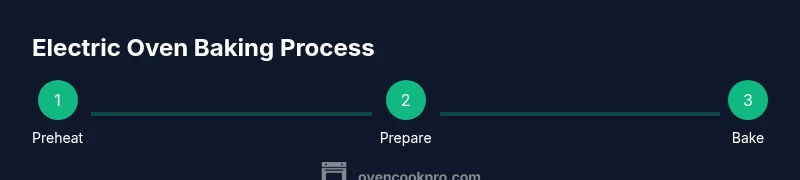
Clear the oven space, slide racks to the recommended level (typically middle). Insert the oven thermometer in the center and close the door. Start preheating to the recipe's target temperature and wait until the thermometer stabilizes.
Tip: Verify the thermometer reading and avoid opening the door during early preheat to maintain stability. - 2
Prepare bakeware and batter
Line sheets with parchment or mats, portion dough or batter as directed, and ensure you have enough sheets ready for the batch. Decide whether you will rotate pans during baking and prepare reminders to do so if needed.
Tip: Leave space between items (at least 1 inch) for even heat circulation. - 3
Load pans and set mode
Place pans on the middle rack in a single layer. If convection is available and the recipe calls for it, enable convection; otherwise bake conventionally. Close the door gently to minimize heat loss.
Tip: Avoid crowding; crowded pans impede air flow and lead to uneven browning. - 4
Monitor and rotate
Check color and height halfway through the bake and rotate pans to equalize heat exposure. If edges brown quickly, adjust position or switch to lighter bakeware. Use the recipe’s doneness cues rather than relying solely on time.
Tip: Rotating helps ensure uniform browning across multiple trays. - 5
Test for doneness and remove
Test with the recipe's doneness method (toothpick, springiness, or internal temp). Remove promptly to prevent overbaking and transfer to a cooling rack.
Tip: Have the cooling rack ready to receive hot items as soon as they come out. - 6
Cool and clean after bake
Allow baked goods to cool on a rack; wipe spills once the oven has cooled. Return racks after cleaning to preserve oven interior. Store leftovers appropriately.
Tip: Close the door gently to maintain residual heat for brief subsequent items.
Questions & Answers
What is the best temperature for baking in an electric oven?
Always follow the recipe's temperature guidance and verify accuracy with a separate thermometer. Preheat fully and monitor the bake to adjust as needed.
Follow the recipe temperature and verify accuracy with a thermometer; preheat fully and monitor during baking.
Does convection baking improve results in electric ovens?
Convection can promote even browning and shorter bake times, but not all recipes require it. Use it when the recipe specifies or when you want faster results.
Convection helps even browning and can shorten bake times; use it when the recipe calls for it.
Why does bread brown unevenly in an electric oven?
Hot spots, rack position, and pan color influence browning. Rotate pans midway and consider lighter bakeware to even out the bake.
Uneven browning happens due to hot spots; rotate and consider different bakeware to balance it out.
How do I preheat correctly?
Preheat until the oven thermometer reads target temperature. Keep the door closed during preheating to maintain stable heat.
Preheat until you reach the target temperature and avoid opening the door early.
Can I bake on multiple racks at once in an electric oven?
Yes, but leave space between pans and rotate halfway through to promote even baking.
Yes, with space and rotation for even baking.
How do I calibrate my oven thermometer?
Compare readings with an external thermometer placed inside the oven, then adjust your settings or replace the thermometer if needed.
Compare the oven thermometer with an external one and adjust accordingly.
Watch Video
Main Points
- Preheat accurately using a thermometer.
- Space and rotate trays for even browning.
- Choose bakeware wisely to influence heat transfer.
- Calibrate and maintain the oven for consistent results.
- Convection is helpful when recipes permit.