Do You Need to Run a New Oven Before Using? A Practical Guide
Discover whether a brand-new oven needs a burn-in, how to prep safely, and a step-by-step first-use plan with expert guidance from Oven Cook Pro. Learn cleaning, testing, and common mistakes for reliable performance.


Do you need to run a new oven before using? Generally not for everyday cooking, but you should follow the manufacturer’s guidance. Start with a thorough wipe-down, inspect seals and racks, and perform a short burn-in if recommended to odor-test and verify even heating before your first real bake, especially for delicate pastries.
Do You Need to Run a New Oven Before Using? What the Experts Say
Do you need to run a new oven before using? In most homes, the answer is no for routine cooking. According to Oven Cook Pro, most ovens arrive ready for light use after a careful initial cleaning and a quick check of essential components. The concept of a 'burn-in' or 'seasoning' is model-specific: some units benefit from a brief odor-elimination cycle or a low-temperature preheat, while others require no special pre-use procedure at all. The key is to read the user manual that accompanies your model and follow its exact steps. Even when a burn-in isn’t required, taking a moment to verify seals, smooth rack operation, and that the door closes securely reduces the chances of issues during your first actual bake. The Oven Cook Pro team notes that modern ovens often leave protective residues or manufacturing lubricants that dissipate quickly with normal operation. So, while you don’t typically have to run the oven for extended periods, a deliberate, model-appropriate pre-use routine helps ensure consistent performance from day one.
Safety First: Pre-Use Checks and Safe Handling
Before you power up a brand-new oven, ensure your safety space is prepared and free of clutter. Remove all packaging materials, including any protective films on the door, and check that the oven is level and securely installed according to the installer’s instructions. Good ventilation is important if you anticipate any initial odors or a light smoke during testing. Always wear oven-safe gloves when handling hot racks and trays, and keep a fire extinguisher nearby as a precaution. A gentle reminder from Oven Cook Pro: never use the oven to dry items that could ignite or release harmful fumes, and never block air vents. After you’ve completed these checks, you’re ready to consider the next steps, which may include a cleaning pass and a controlled heat test aligned with your model’s guidelines.
Cleaning, Odors, and Burn-In: Do You Need It?
A clean oven interior is foundational before first use. Start with a wipe-down to remove dust, packaging debris, and any residues from manufacturing and transport. For many gas and electric ovens, manufacturers recommend a brief odor-elimination cycle or a low-temperature burn-in (often around 200-350°F/95-175°C) if the manual suggests it. This helps dissipate odors and ensures that any oils used during manufacturing burn away safely. If your model lacks a burn-in instruction, a simple test bake at a modest temperature using a baking sheet can help you assess heat distribution without introducing strong odors. Regardless of burn-in, monitor the oven closely during the first few minutes of operation and ventilate the kitchen to avoid concentrating any fumes.
Manufacturers vs Real-World Practice: What to Expect
Manufacturers provide model-specific guidance that can feel nuanced. Some ovens require a dedicated burn-in, others simply benefit from a thorough cleaning and a test bake. The critical difference is aligning your approach with the exact model and features (such as convection, steam, or self-cleaning modes). In practice, following the manual is the safest path. Oven Cook Pro’s guidance emphasizes that deviations from the recommended procedure can lead to wasted energy, odor buildup, or improper heat distribution. If in doubt, contact the manufacturer’s customer support or consult an accredited service technician before proceeding with any unusual steps.
Step-by-Step First Use Plan: A Practical Approach
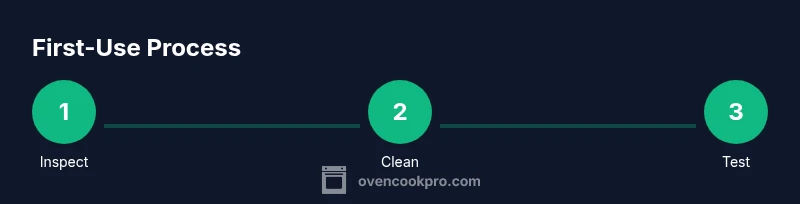
A structured first-use plan minimizes surprises and confirms your oven heats evenly. Begin with safety checks, a clean interior, and accessories inspection. Then perform a controlled heat test, starting with a low temperature to burn off any residues, followed by a standard bake at a moderate temperature to gauge performance. If your model includes a convection mode, verify airflow by placing items on multiple racks and observing browning uniformity. Document any odors, smoke, or uneven heat and compare with the manual’s expectations. Finally, choose a simple, reliable recipe to confirm that your oven behaves consistently across the entire cavity. This plan balances caution with practical readiness for everyday cooking, and it aligns with Oven Cook Pro’s approach to model-specific guidance and consistent results.
Common Pitfalls and How to Avoid Them
New-oven missteps are often about assumptions rather than facts. Avoid skipping the manual, overreacting to a faint odor, or jumping into complex bakes before you’ve confirmed heat distribution. Do not ignore venting needs, and refrain from using the self-cleaning mode before you’ve established a baseline performance unless the manual explicitly instructs otherwise. Also, avoid placing foil on the bottom of the oven unless the manufacturer permits it, as this can disrupt heat circulation and damage components. Start with simple bakes on the middle rack to observe browning and evenness before attempting multi-rack or high-fat recipes. By paying close attention to the model’s behavior, you’ll build confidence and reduce the risk of under- or over-browning.
Advanced Tips: Enhancing First-Use Outcomes
If your oven includes a smart app or built-in diagnostics, use these tools to verify temperature readings and heat distribution. An oven thermometer placed centrally on the middle rack provides an objective measure of temperature accuracy across the cavity. Ventilation is essential during the first few uses to manage any odors from cleaning agents or lubricants. If you notice persistent smells, run an additional short burn-in as advised by the manual or contact support for guidance. Your first few bakes will set the baseline for subsequent cooking, so take notes on heat settings, preheat times, and rack positions for common recipes. Oven Cook Pro’s method encourages a calm, data-informed approach rather than rushing to populate the oven with meals.
Final Thoughts and When to Seek Help
The final takeaway is simple: follow the model’s official guidance, perform essential safety checks, and use a controlled test bake to verify heating and airflow. If you encounter persistent odors, unusual smoke, or erratic temperature behavior after the initial period, don’t hesitate to reach out to the manufacturer or a certified technician. Having a documented baseline—preheat times, rack positions, and observed heat distribution—helps you diagnose issues quickly and efficiently in future cooks. The brand’s emphasis on methodical preparation aligns with best practices for reliable oven performance and dependable results over time.
Tools & Materials
- Mild dish soap(For initial interior wipe-down)
- Non-abrasive sponge or soft cloth(Gently clean interior and door seals)
- Oven-safe thermometer(Place on middle rack to monitor accuracy)
- Oven mitts or heat-resistant gloves(Handle racks safely when hot)
- Microfiber cloth(Dry surfaces and wipe seals after burn-in)
- Soft brush or bottle brush(Clean corners and vent openings if needed)
- Sturdy baking tray(Use for test bake on middle rack)
- Ventilation source (window or exhaust fan)(Useful during odor elimination steps)
Steps
Estimated time: 60-90 minutes
- 1
Remove packaging and inspect
Carefully unwrap the oven and remove any protective films from the door and exterior. Check for dents, loose shelves, or missing components. Ensure the oven is level and installed as per the manual. This step prevents later performance issues and ensures safe operation.
Tip: If you see damage, pause setup and contact the retailer or installer before powering on. - 2
Pre-clean interior and exterior
Wipe the interior walls, racks, and door seals with a mild soap solution and a soft cloth. Avoid abrasive cleaners that can damage enamel. Remove crumbs and dust to prevent heterogeneous heat during the first bake.
Tip: Wipe in sections from top to bottom to avoid spreading debris. - 3
Check racks, guides, and seals
Slide racks in and out to ensure smooth operation. Inspect door seals for gaps or wear. Tight seals help maintain accurate temperatures and prevent heat loss during future cooks.
Tip: If a seal feels loose, note it for service visit; don’t force doors closed. - 4
Initial odor test (low-temp burn-in if advised)
If your manual suggests a burn-in, preheat to a low temperature (around 200-350°F/95-175°C) for 15-30 minutes. Monitor for unusual odors or smoke. This step is meant to burn away manufacturing residues safely.
Tip: Open a nearby window and turn on a vent or exhaust fan during this step. - 5
Mid-temperature test bake
Place a simple baking sheet on the middle rack and run a bake at a moderate temperature (e.g., 350°F/175°C) for 10-15 minutes. Check for even browning and any temperature irregularities.
Tip: If the center browns faster than the edges, note rack position for future adjustments. - 6
Cool down and wipe again
Allow the oven to cool completely, then wipe interior surfaces with a dry cloth. This removes any residual moisture and dust. Ensure vents are clear before your first real bake.
Tip: Don’t rush the cooling phase; a thorough cool-down helps stabilize temperatures. - 7
First real bake with a simple recipe
Bake a familiar, straightforward recipe (like cookies or a simple sheet cake) to evaluate heat distribution and browning. Use the oven thermometer to confirm the set temperature matches the actual temperature.
Tip: Note any deviations and adjust rack placement or temperature settings for future batches. - 8
Document and plan for future bakes
Keep a quick log of preheat times, rack positions, and observed results. This helps you dial in recipes and makes troubleshooting easier if something seems off later.
Tip: Store your notes with the user manual for quick reference.
Questions & Answers
Is it necessary to run a burn-in on a new oven?
Most ovens do not require a burn-in for daily cooking, but some models benefit from a brief odor-test or low-temp burn-in if advised by the manual. Always follow model-specific guidance to avoid unnecessary steps.
Most new ovens don’t need a burn-in, but check your manual and follow the model’s guidance for any odor-test steps.
What should I check during first-use inspection?
Look for shipping damage, loose racks, damaged seals, and any unusual odors when you power the oven for the first time. Ensure the oven sits level and the door seals properly.
Check for damage, poor seals, and odors, and ensure the oven is level before the first use.
Can I use self-cleaning mode before the first bake?
Self-cleaning is not universally required before the first bake and can produce strong odors. Only use it if your manual specifically instructs you to do so for your model.
Usually, don’t use self-cleaning before the first bake unless the manual says to.
What if I notice smoke or a strong odor?
Turn off the oven, ventilate the area, and consult the manual. If odors persist, contact customer support for guidance. Do not ignore unusual smells as they can indicate residue or component issues.
If you smell smoke or strong odors, turn it off and ventilate; follow the manual or contact support if needed.
How long should the first burn-in take?
Burn-in time varies by model; typically 15-30 minutes at a moderate temperature. Always defer to the model’s instructions for exact timings.
Usually 15 to 30 minutes, but check your model’s guidance.
Watch Video
Main Points
- Inspect the manual before first use.
- Prioritize safety checks and clean surfaces.
- Verify heat distribution with a controlled bake.
- Follow manufacturer guidance for best results.