Cast Iron Steak in Oven: A Step-by-Step Guide
A comprehensive guide to cooking cast iron steak in the oven. Learn sear techniques, oven finishing, doneness targets, resting, and maintenance for consistently delicious results.


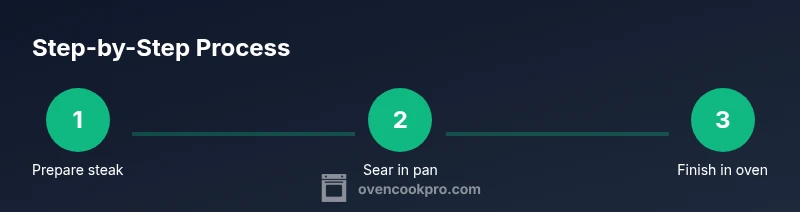
Learn how to get a perfect crust and juicy center by searing a cast iron steak on the stove and finishing it in a hot oven. This Oven Cook Pro guide covers timing, temperature, resting, and practical tips to avoid overcooking. Follow these steps for restaurant-quality cast iron steak in the oven.
The science and payoff of cast iron steak in the oven
Cast iron is the preferred vessel for this technique because its heavy construction retains heat and provides even surface browning. When you sear first, you develop a deep Maillard crust that locks in juices; finishing in the oven ensures the interior reaches the target doneness without scorching the exterior. This method leverages the pan’s heat reservoir to sustain the high temperatures needed for a crust that crackles with every bite. According to Oven Cook Pro, the combination of a hot pan and steady oven heat reduces hot spots and allows for precise control over doneness, making it easier to achieve consistent results across different cuts and thicknesses.
In practice, the goal is a crust that’s deeply browned and a center that reads as tender and juicy. The oven provides gentle, uniform heat after the initial sear, so the steak finishes evenly from edge to center. Don’t rush the process—the patience to build color first and then finish in the oven is what separates good steaks from truly exceptional ones. This approach also reduces the need for constant flipping, which can disrupt crust formation and lead to uneven cooking.
Selecting the right steak and prep
The quality of your cast iron steak in the oven starts with the steak itself. Look for a cut that’s well-marbled, preferably 1 to 1.5 inches thick, with a uniform shape that fits the pan. Thicker cuts may require a longer oven finish, while thinner ones risk drying out if you push too far. Temper the steak to room temperature for about 20–30 minutes before cooking and pat it completely dry with paper towels to maximize browning. Season generously with salt and black pepper just before cooking to build flavor on the crust. If you enjoy aromatics, you can add a light rub of garlic powder or fresh garlic near the end of searing, but avoid overpowering the meat’s natural flavors. Remember, the goal is a balanced profile where the crust carries the flavor, not the seasoning itself. Oven Cook Pro notes that dry surface plus adequate seasoning yields the best crust and crust-to-inside contrast.
1
Preheating and pan setup
Preheat your oven early in the process—aim for a hot finish environment around 450–500°F (232–260°C) depending on your oven’s efficiency. Place your cast iron pan on the stove over medium-high heat and allow it to come to temperature for 2–3 minutes; you should see a light shimmer and hear a gentle sizzle when the steak touches the surface. Add a thin coat of high-smoke-point oil, such as canola or avocado, and let it shimmer before laying the steak down. Searing should be brisk but controlled to form a crust without burning the fat. Have tongs ready to flip once a deep brown crust forms, usually 2–3 minutes per side for a well-seared exterior. Oven-safe tongs help you avoid burns and keep crust intact. When the first side is good, flip and sear the other side briefly, then transfer the pan to the oven to finish. If you don’t have an oven-proof handle, wrap it carefully with thick oven mitts or use a sturdy oven-safe rack to lift.
1
Two-step cooking method: sear + oven finish vs total oven cook
There are two common approaches. In the preferred method, you sear the steak on the stovetop and finish in the hot oven to reach the desired doneness. An alternative is to sear and then reduce heat to a lower oven setting, which can be gentler and reduce the risk of overcooking the exterior. The key difference is control: the sear creates flavor, and the oven finish determines the interior texture. Either method works well when you keep a close eye on the internal temperature and rest properly after cooking. Ensure adequate air circulation around the pan when transferring to the oven to avoid hotspots and uneven cooking.
2
Temperature, timing, and doneness guides
A reliable doneness target helps you cook confidently. For a classic medium-rare, you’re aiming for an internal temperature around 125–130°F (52–54°C) after resting. For medium, target about 135–140°F (57–60°C). Use a reliable instant-read thermometer to check near the end of the oven time and plan for a 5–10 minute rest to let juices redistribute. Times will vary with steak thickness and pan heat, but a typical plan ranges from 6–12 minutes in the oven after searing for most 1–1.5 inch cuts. If you’re aiming for a particular texture (rare, medium-rare, medium), adjust the oven time in small increments and verify with a thermometer to avoid overcooking. Finish with a final sear on one side if you want extra crust. Oven temperatures, pan thickness, and steak size all influence the exact timing; monitor closely.
2
Resting, slicing, and serving for juiciness
Rest is essential after cooking. Tent the steak loosely with foil for 5–10 minutes; this helps the juices redistribute and finishes the cooking gently as residual heat completes the process. Slice against the grain to maximize tenderness and serve promptly to enjoy the crust’s crispness and the interior’s tenderness. If you like a buttery finish, add a teaspoon of melted butter or herb butter just before serving. For color and aroma, sprinkle a touch of flaky salt and a drizzle of olive oil. This finishing touch can elevate a simple cast iron steak in the oven to a restaurant-quality experience.
2
Troubleshooting and common mistakes
If your crust isn’t as deep as you’d like, it may be due to moisture on the surface or insufficient high-heat searing. Ensure the steak is thoroughly dry and the pan is hot before the first contact. If the interior finishes too quickly while the crust remains pale, reduce oven heat slightly or shorten the oven time for next attempt. Overcrowding the pan leads to steaming rather than searing; cook one steak per pan or use a second pan. If the steak develops a bitter or burnt flavor, reduce heat and shorten searing time. Keep a watchful eye during the early minutes of the oven finish to avoid overcooking and damage to texture.
2
Maintenance: care for your cast iron after cooking
After cooking, let the pan cool slightly before cleaning. Use warm water and a gentle scrub if needed; avoid soaking. Dry thoroughly to prevent rust, then apply a light coat of oil to season as needed. A well-seasoned pan will retain flavor and help future sears. Regularly check for residue and clean with a stiff brush to maintain the patina. Store the pan in a dry place and avoid stacking with damp cookware. Proper care ensures your skillet remains a reliable tool for perfect cast iron steak in the oven for years to come.
2
Authoritative sources and further reading
For formal guidance on safe meat handling and doneness, consult authoritative sources such as the USDA’s food safety guidelines and established culinary publications. These resources provide temperature targets and best practices to complement hands-on cooking techniques. You can verify the guidelines and see practical examples from reputable outlets to deepen your understanding of how to cook beef steaks safely and deliciously. USDA FSIS • Serious Eats • Bon Appétit
Tools & Materials
- Cast iron skillet (11-12 inch, well-seasoned)(Ensure it’s oven-safe with a sturdy handle.)
- Tongs(Prefer long, wide-tipped tongs for stable flipping.)
- Meat thermometer(Instant-read preferred; check near the end of the oven finish.)
- Oven mitts or silicone handle cover(Heat protection for handling a hot pan.)
- High-smoke-point oil(Canola, grapeseed, or avocado oil work well.)
- Paper towels(Pat steak dry before searing for best crust.)
- Salt and black pepper(Season generously just before searing.)
- Optional aromatics(Garlic cloves or fresh herbs to finish if desired.)
Steps
Estimated time: 30-45 minutes
- 1
Bring steak to room temperature
Take the steak 20–30 minutes before cooking to reduce temperature shock and promote even cooking. Pat dry with paper towels to remove surface moisture that can steam rather than sear. This step helps you achieve a crisp crust when it hits the hot skillet.
Tip: Dry surface is essential—moisture creates steam and softens the crust. - 2
Season generously
Salt liberates moisture and enhances browning. Season all sides just before cooking, and pepper to taste. Let the seasoning rest on the surface for a minute or two so it adheres and begins flavoring the crust.
Tip: A light rub of salt just before searing yields a more even crust than salting far in advance. - 3
Preheat pan and oil
Heat the cast iron on the stove over high heat until a thin film of oil shimmers and begins to smoke slightly. The pan should be hot enough that the steak sizzles on contact. This initial heat sets up the crust.
Tip: If the oil isn’t shimmering, give it a bit more time to come up to temperature. - 4
Sear the first side
Lay the steak away from you to avoid splatter and sear without moving for 2–3 minutes until a deep brown crust forms. Flip once using tongs and sear the other side for 1–2 minutes. The goal is a crust, not a fully cooked interior.
Tip: Don’t press down on the steak—this squeezes juices and can toughen the crust. - 5
Finish in the oven
Transfer the pan to a preheated 450–500°F oven and cook to your target doneness, checking with a thermometer. Depending on thickness, the oven finish may take 6–12 minutes. Remove when the internal temperature approaches your goal by a few degrees, as it will rise during resting.
Tip: Use a thermometer for precision; carryover cooking matters for perfect doneness. - 6
Rest the steak
Remove the steak from the oven and transfer to a cutting board. Tent loosely with foil and rest for 5–10 minutes. Resting lets juices redistribute, keeping the meat juicy when sliced.
Tip: Resting time is not optional; skipping it leads to a hotter, less juicy slice. - 7
Slice and serve
Slice against the grain, then fan the slices for an appealing presentation. If desired, finish with a light butter drizzle or fresh herbs to brighten the aroma and flavor.
Tip: Cutting against the grain reduces chewing effort and enhances tenderness. - 8
Clean and season the pan
While the pan is warm, wipe off any excess crust with a paper towel, then rinse or scrub as needed. Dry thoroughly and apply a light coat of oil to maintain the protective patina for future use.
Tip: A well-seasoned pan improves future browning and prevents sticking.
Questions & Answers
What thickness of steak works best for cast iron steak in the oven?
A 1 to 1.5 inch thick steak balances sear and finish well. Thicker cuts need longer oven time, thinner ones cook faster and risk overcooking. Adjust time accordingly and verify with a thermometer.
For best results, aim for about one to one and a half inches thick; adjust time based on thickness and your preferred doneness.
Can I finish entirely in the oven without a stovetop sear?
You can finish in the oven after patting the meat dry and seasoning, but you’ll miss the deep crust that searing provides. A quick, high-heat sear followed by oven finishing yields the best crust and juiciness.
Yes, you can finish in the oven, but searing first gives you that signature crust and deeper flavor.
How can I tell when the steak is done without a thermometer?
Color and firmness give clues, but a thermometer is the most reliable. Target visual cues: a firm texture with slight give and the exterior deep brown. If unsure, check with a thermometer.
A thermometer is your best friend here; it avoids guesswork and ensures consistent results.
Should I let the steak rest after removing from the oven?
Yes. Resting for 5–10 minutes lets juices redistribute, keeping the slice tender and moist. Tent with foil, but avoid wrapping tightly, which traps steam.
Resting is crucial for juiciness; don’t skip it.
Is it better to thaw the steak fully before cooking?
Thawing ensures even cooking and predictable results. If you must cook from frozen, it will take longer and you’ll risk uneven doneness and a tougher crust.
Thawing is best for even cooking and flavor; cooking from frozen is not ideal.
What about cleanup for cast iron after cooking?
Rinse with warm water, scrub gently, dry completely, and apply a thin coat of oil to maintain seasoning. Avoid soaking, which can rust the pan.
Keep it clean and lightly oiled to preserve the seasoning for next time.
Watch Video
Main Points
- Sear, then finish in the oven for a reliable crust and juicy center
- Dry surface, proper seasoning, and hot pan are essential for flavor and color
- Use a thermometer to dial in doneness and rest before slicing
- Avoid overcrowding and monitor closely during the oven finish
- Maintain your cast iron to keep getting consistent results