How to Build and Use a Brickfire Wood Oven
Learn how to plan, build, and bake with a brickfire wood oven. Safety, materials, firing, and maintenance explained in expert, step-by-step detail by Oven Cook Pro.


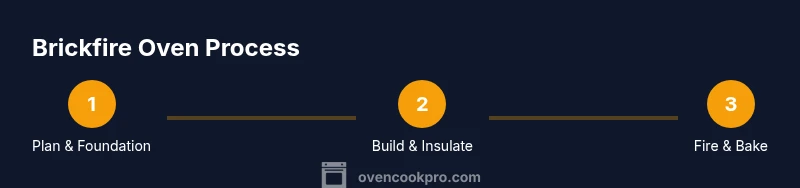
In this guide, you will learn how to plan, assemble, and cook with a brickfire wood oven. You’ll cover safety, essential materials, building basics, firing techniques, preheating, temperature control, and baking methods for breads, pizzas, roasts, and vegetables. Follow the step-by-step process to achieve reliable heat, even cooking, and smoky flavor.
What is a brickfire wood oven?
A brickfire wood oven is a masonry oven that relies on bricks and mortar to create a heat-storing chamber. The core idea is to build a thick thermal mass that absorbs heat from a wood-fired fire and radiates it evenly to the cooking chamber. According to Oven Cook Pro, this traditional approach blends craftsmanship with predictable heat retention, enabling cooks to bake, roast, and slow-cook with less active fuel. In practice, the oven’s interior becomes a heat reservoir, while a carefully designed chimney regulates draft to sustain consistent temperatures. For homeowners, a properly built brickfire oven delivers a smoky aroma, crisp crusts, and versatile cooking—from rustic bread to pizza and roasted vegetables. Before you start, map your space, select materials suited to high-temperature use, and commit to a curing phase that ensures mortar bonds and the shell become weather-tight. This guide centers on reliable, repeatable results rather than flashy shortcuts.
Core design principles for even heat
The most reliable brickfire ovens use a rounded dome to encourage even heat distribution, a dense thermal mass to store heat between fires, and well-insulated walls to minimize heat loss. Proper airflow management is essential: the fire must draw efficiently, the flue should vent smoke without starving the oven of oxygen, and the door should seal well without choking the flame. A thoughtfully planned oven also considers the cooking surface: a smooth, heat-stable floor (often kiln-fired bricks or fire bricks) provides uniform contact for breads and pizzas. The goal is a stable, forgiving heat that responds predictably as you add food or adjust the vents. Oven Cook Pro highlights that mastering heat flow is as important as the brick choice itself, because heat retention determines crust development and moisture balance. When laying out your design, keep the cooking chamber accessible, plan for a vent system that can be partially closed during baking, and ensure easy access to the fire for controlled fueling.
Choosing materials: bricks, mortar, and insulation
Materials for a brickfire oven fall into three families: bricks (fire bricks or kiln bricks for interior use), mortar (refractory or fire-resistant cement), and insulation (vermiculite, perlite, or dense mineral wool). Fire bricks tolerate high temperatures and minimize cracking under repetitive firing, while regular bricks may deteriorate with repeated cycles. Mortar should be rated for high heat to prevent joint deterioration. Insulation is what keeps the exterior from overheating and reduces fuel use. A well-insulated shell maintains heat and improves efficiency, especially in colder climates. When selecting bricks, look for dense, uniform units with minimal flaws, and verify that your mortar mix has a heat-resistant binder. Avoid glass, non-heat-resistant materials, and sealants not rated for high temperatures. Oven design should accommodate adequate airflow and an exhaust path that prevents smoke buildup inside the cooking chamber.
Tools, safety, and planning before you start
Before lifting a brick, assemble a basic toolkit: trowels, a level, a masonry hammer, a wheelbarrow or mixing tub, a heat-resistant glove set, safety glasses, a respirator or dust mask, and a thermometer for monitoring interior temperatures. Always plan for curing time and weatherproofing. Establish a safe workspace with clear ventilation, a stable foundation, and a water source for mixing mortar. Keep children and pets away during construction, and store fuels away from the work area. The plan should include a simple schedule for each phase—foundation, dome, insulation, and final curing—so you don’t rush critical joints or compromise the structure. By following a deliberate process, you’ll reduce the risk of cracks and ensure long-term reliability of the brickfire oven.
Firing, preheating, and temperature management
Firing a brickfire oven requires building up heat gradually to avoid thermal shock and cracking. Start with a modest fire to clean out any moisture, then progressively add fuel to reach your target heat for baking. Use the vent damper to regulate airflow; closing it too much can smother the fire, while opening it too wide can exhaust heat quickly. A temperature-agnostic approach focusing on the visible signs of readiness—glowing embers, steady orange glow, and a well-sealed mouth—helps you maintain control for breads, pizzas, and roasted items. Keep a consistent fuel supply and avoid abrupt changes once you start baking. Oven Cook Pro notes that consistency in heat, not peak temperature, yields superior crusts and moisture retention.
Maintenance, curing, and longevity
Curing an oven is a gradual process that consolidates the mortar and dries the interior surfaces before heavy use. Start with small, low-heat firings to drive off moisture, then increase gradually. Regular maintenance includes inspecting joints for cracks, replacing damaged insulation, and cleaning ash and soot after sessions. Protect the exterior from weather with a proper seal or shelter, and check the chimney for buildup that could restrict airflow. With proper curing, routine checks, and careful fueling, a brickfire oven can last for many years and deliver consistent results. Oven Cook Pro emphasizes safety first: never leave a live fire unattended and always monitor the area for heat exposure on nearby surfaces.
Cooking with a brickfire oven: tips and recipes
A brickfire oven excels at pizzas with blistered crusts, rustic breads with chewy crumb, and roasting meats with a smoky edge. Use a well-floured peel for transfers, and allow the oven to stabilize between batches to avoid temperature swings. For vegetables, a quick toss in olive oil helps crisp edges and deepen flavors. If you’re new to brickfires, start with simple recipes and gradually introduce longer bake times as your control improves. The key is patience: heat retention and airflow mastery take practice, but the payoff is authentic flavor and hands-on cooking satisfaction.
Tools & Materials
- refractory bricks (fire bricks)(Interior lining that tolerates high temperatures)
- refractory mortar or high-temperature cement(Joins that won’t crumble under heat)
- trowel(For applying and shaping mortar)
- level and string line(Keeps the base and walls true)
- spare bricks for formwork(Used to shape the dome and exit path)
- protective gloves (heat-resistant)(Prevent burns during firing and handling hot bricks)
- safety glasses(Protect eyes during cutting and mixing)
- mortar mixing tub or wheelbarrow(Mix consistent batches of mortar)
- thermometer or infrared thermometer(Monitor interior temperatures for firing and baking)
- masonry saw or angle grinder with masonry blade(Optional for shaping bricks to fit curves)
- brush and ash implement(Cleaning debris from the floor and joints after firing)
Steps
Estimated time: 8-12 hours
- 1
Plan footprint and foundation
Mark the oven location, measure the footprint, and lay a solid, level foundation. Ensure drainage and a dry subbase to prevent moisture in mortar. This initial step sets the stage for stable heat retention and long-term performance.
Tip: Double-check levelness with a long straightedge across the base before placing the first bricks. - 2
Lay the floor and first course
Install a fire-resistant floor and lay the first course of bricks on a bed of mortar. Keep joints uniform and ensure the floor is flat to avoid hot spots. The floor determines even bread and pizza crusts.
Tip: Sweep away loose dust from the floor before applying mortar to ensure good adhesion. - 3
Build the dome and inner walls
Progressively place bricks to form the dome, maintaining a consistent wall thickness. Use a temporary form or guide to keep the curvature symmetrical. Cracking is less likely when you stagger joints and keep the dome smooth.
Tip: Check each course with a level and adjust as needed before mortar sets. - 4
Install insulation and outer shell
Fill the space between the dome and outer shell with insulation material, then add the outer layer. Insulation reduces heat loss and improves efficiency. A snug outer shell protects against weather and helps maintain stable temps.
Tip: Avoid gaps in insulation; small air pockets act as thermal bridges that waste heat. - 5
Cure the oven with staged firings
Begin with small fires to dry mortar gradually, then increase heat in increments. This reduces the risk of cracks and mortars loosening. Document each stage so you know when the interior is ready for cooking.
Tip: Keep a close eye on the dome during your first firings and never leave a fire unattended. - 6
Season and test for baking
Season the oven by baking simple items (like flatbreads) to acclimate the surface to repeated use. Observe how heat settles and adjust venting to stabilize the oven. A well-seasoned oven yields better crusts and more predictable cook times.
Tip: Rotate items mid-bake to ensure even browning across surfaces. - 7
Establish a maintenance routine
Schedule periodic inspections of joints, insulation, and the exterior finish. Clean ash and debris from the floor after each bake and reseal damaged joints promptly. Regular care extends oven life and preserves heat efficiency.
Tip: Record maintenance notes so you can track wear and plan re-pointing or insulation replacement. - 8
First bake test and safety checks
Conduct a controlled bake test with bread or a simple pizza to verify heat distribution and air flow. Confirm door seals, vent positions, and chimney clean-out are functioning properly. Use this experience to fine-tune timing and loading techniques.
Tip: Keep kids and pets away during tests and use heat-protective equipment.
Questions & Answers
What is a brickfire wood oven?
A brickfire wood oven is a masonry oven built with fire bricks and insulation to store heat from a wood fire, delivering radiant and convection-style cooking.
A brick oven is a masonry oven made with heat-resistant bricks to store and radiate heat for baking and roasting.
Do I need planning permission or codes?
Building codes vary by location. Check local regulations and obtain permits if required before construction.
Local codes vary, so review rules and obtain approvals if needed.
What materials are best for the interior?
Use fire bricks or kiln bricks for the interior and a refractory mortar designed for high heat to maximize durability.
Use fire bricks with high-heat mortar for a durable interior.
How long does curing take before usable baking?
Curing progresses over several firings. Start with small fires and gradually increase heat over the course of days.
Curing happens over a few firings; don’t rush to baking until mortar feels stable.
Can I bake bread in a brickfire oven?
Yes. A well-made brickfire oven excels at crusty bread and blistered oven-baked loaves with proper hydration and heat control.
Absolutely, breads bake beautifully in a brickfire oven with good heat balance.
How do I maintain stable temperatures?
Maintain heat by controlling the fuel supply, using the vent damper effectively, and keeping the oven sealed when needed.
Keep a steady fire and adjust the vent to stabilize temperature.
What woods work best for firing?
Hardwoods like oak, maple, or hickory provide consistent heat and less resin buildup compared with softwoods.
Hardwoods are best for steady heat and clean burning.
Is professional help necessary for construction?
For long-lasting safety and compliance, consult a mason or a builder experienced with masonry ovens.
A mason can ensure the oven is structurally sound and code-compliant.
Watch Video
Main Points
- Build with fire bricks and proper, heat-rated mortar.
- Insulate well to minimize heat loss and fuel use.
- Preheat gradually to avoid cracking and uneven cooking.
- Season the oven before heavy baking to stabilize surfaces.
- Prioritize safety in all steps and maintain the oven regularly.