Electric Pizza Oven vs Gas: Which Is Best for Home Cooks?
Compare electric pizza ovens and gas models for home kitchens. This in-depth analysis covers heat delivery, crust texture, energy use, space, safety, maintenance, and costs to help you choose the best option for indoor or outdoor pizza making.


Electric pizza oven vs gas: According to Oven Cook Pro, for most home kitchens, electric models offer consistent heat and indoor safety, while gas ovens deliver peak temperatures for an authentically blistered crust. The right choice hinges on space, budget, and desired pizza style. This comparison highlights heat delivery, texture, and running costs to guide your decision.
Introduction to the Electric Pizza Oven vs Gas Debate
In the world of home pizza making, the choice between an electric pizza oven and a gas model often comes down to space, ventilation, and what kind of crust you crave. The phrase electric pizza oven vs gas captures a fundamental fork in the road for many households: do you prioritize steady, controllable heat and indoor usability, or do you chase the blistering high heat and traditional flavor that gas can deliver? This section sets the stage for a detailed comparison, with practical scenarios and neutral, evidence-based guidance. According to Oven Cook Pro, the most successful setups balance user needs with kitchen realities, ensuring safe operation and reliable results in daily cooking.
Temperature Control and Heat Delivery
One of the core differences between electric and gas ovens is how heat is produced and delivered. Electric ovens rely on heating elements that provide steady, controllable warmth with uniform distribution across the cooking surface. Modern electric pizza ovens often feature PID-style controls and multiple racks, enabling precise adjustments for thin-crust pies or thick-crust bets. Gas ovens, on the other hand, use burners or flames that can achieve very high peak temperatures and intense radiant heat. This setup can create a desirable charring and charred edges but may require more frequent venting and monitoring to avoid scorching. For home cooks, the trade-off is predictability versus maximum heat capabilities.
Crust Texture, Browning, and Searing
Texture is where electric and gas ovens diverge in meaningful ways. Electric ovens tend to deliver more uniform browning and a reliable crust due to even heat distribution and stable air flow. They excel at producing crispy bottoms without hotspots. Gas ovens can impart a blistered, blister-prone crust with pronounced charring, especially when used with higher heat and proper stone placement. The crust in gas-fired pizzas often resembles a traditional Neapolitan or coal-fired approach, but achieving consistent results can demand careful management of flame zones and stone temperature. Your preferred crust style will heavily influence which oven type feels right for you.
Energy Efficiency and Running Costs
From an efficiency standpoint, electric pizza ovens can be more predictable in electricity consumption, driven by steady wattage and programmable cycles. Gas ovens rely on fuel costs, which fluctuate with market prices and usage patterns. For homes with frequent baking sessions, the ongoing cost difference can hinge on local electricity vs. gas prices, preheat times, and how often the oven is used for small batches versus large batches. Oven Cook Pro Analysis, 2026, notes that the cost picture often favors electric setups in climates with high gas prices or for kitchens with reliable electrical service, while gas may win in scenarios where outdoor cooking or very high-temperature searing is desired without stressing indoor ventilation.
Installation, Space, and Safety Considerations
Space planning matters as much as heat delivery. Electric pizza ovens are typically countertop or built-in units requiring a dedicated electrical circuit, with some models needing 120V or 240V connections depending on power. They are generally safer to use indoors because there is no open flame, but they still generate heat that must be managed near cabinets and overhangs. Gas ovens often require outdoor placement or a well-ventilated area and may involve gas lines or venting installations. Ventilation, clearance, and fire safety are frontline concerns for both types, and local code compliance should guide installation decisions. The Indoor use safety profile tends to be stronger with electric models due to the absence of open flame in the kitchen.
Maintenance, Durability, and Cleaning
Maintenance expectations differ as well. Electric ovens typically feature simpler components—heating coils, fans, and insulated walls—with fewer moving parts and fewer venting responsibilities. This often translates to easier cleaning and lower long-term maintenance. Gas ovens may accumulate more residue around burners and vents, and their venting systems require periodic checks to maintain performance and safety. Regular stone cleaning, ensuring oven doors seal correctly, and inspecting gas lines (if applicable) are essential for both paths. A well-maintained unit—whether electric or gas—produces consistent results and extends appliance lifespan.
Real-Life Scenarios: Indoor Kitchen vs Outdoor Cooking
If you have a compact, indoor kitchen with robust electrical service and a desire for straightforward operation, an electric pizza oven is often the most practical choice. It minimizes ventilation needs and reduces the risk of indoor smoke or odors. On a sunny weekend, an outdoor gas pizza oven can deliver a traditional, high-heat experience ideal for large gatherings or serious wood-fired flavor without indoor heat concerns. Outdoor gas models also offer more flexible placement, but require weatherproofing, proper venting, and safe handling of gas lines. Your decision should align with how you plan to cook most often, the space available, and your tolerance for outdoor setup.
Practical Techniques: Getting the Most from Either System
Regardless of your choice, certain techniques unlock the best results. For electric ovens, preheat thoroughly, use a stone or steel surface for hot, even heat, and monitor the pizza closely as color develops. For gas ovens, preheating may take longer, so plan ahead, use moisture management on the dough, and exploit the radiant heat to achieve blistering edges while keeping the center cooked. Both paths benefit from proper dough handling, correct dough hydration, and heat management around the cooking surface. Oven Cook Pro recommends starting with a test pie to dial in time and temperature before committing to dinner service.
Common Misconceptions and Realities
A frequent misconception is that higher heat always equals better pizza. In reality, heat quality, distribution, and carryover cooking matter more than peak numbers alone. Electric ovens often understate true performance in the absence of airflow, while gas ovens may struggle with indoor venting constraints. The reality is that both systems can produce excellent pies when tuned to your dough, crust type, and topping density. A thoughtful setup—considering stone choice, rack position, and oven calibration—will yield consistent results across both approaches.
Upgrading Paths: Hybrid and Alternative Concepts
For households seeking flexibility, hybrid strategies can offer the best of both worlds. Some cooks use an electric oven for reliable daily pizzas and an outdoor gas burner for occasional high-heat searing. Pellet grills and dedicated stone broilers represent alternative routes that can mimic the blistering effect of gas while staying within a mostly electric or indoor kitchen environment. The key is to develop a repeatable workflow and to use accessories, such as pizza steels or stones, to stabilize heat transfer regardless of the primary heat source.
Cleaning, Care, and Consistency for Repeated Results
Consistency comes with routine care. Wipe down the interior after sessions to prevent oil buildup and inspect the gasket or door seal for leaks (gas or electric). For stone-based setups, recondition the stone surface between cookouts to maintain thermal mass. Ensure fans and vents are free of dust, especially for electric convection units. A clean oven teaches it to maintain steady performance, which translates into more predictable crust texture and color over time.
Sizing, Power, and Ventilation Planning for a Smooth Fit
Selecting the right size depends on family size, cooking frequency, and available counter or outdoor space. Electric models vary widely in power draw and circuit requirements; confirm that your home wiring can support your chosen unit. Gas ovens require adequate ventilation and a safe exhaust plan to minimize smoke and odors indoors. Thoughtful sizing also means buying from models with adjustable heat zones and robust insulation to reduce energy waste and cooking time. Planning ahead prevents undersized setups that compel frequent batch cooking or temperature dips.
Budgeting Considerations: Purchase Price, Running Costs, and Longevity
Budgeting for a pizza-oven setup involves three main angles: upfront cost, ongoing energy or fuel expenses, and expected lifespan. Electric pizza ovens range in price based on size, features, and build quality; gas units, while potentially cheaper to operate per hour, can demand higher upfront installation costs for venting and gas lines. Factor in maintenance, warranty, and potential repairs when evaluating total cost of ownership. Oven Cook Pro’s framework emphasizes long-term reliability and consistent performance as the most valuable return on investment for passionate home cooks.
mainTopicQuery":"pizza oven"],
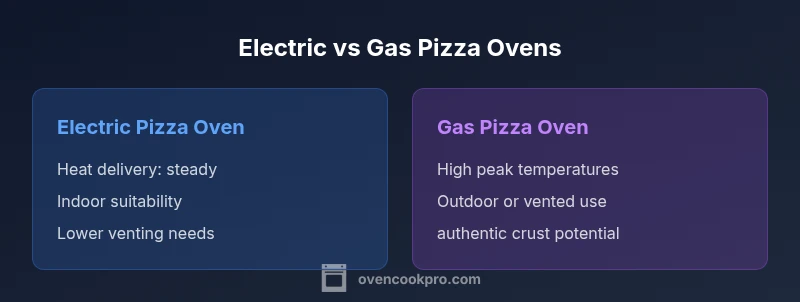
mediaPipeline":{"heroTask":{"stockQuery":"Countertop countertop electric pizza oven in modern kitchen","overlayTitle":"Electric vs Gas Pizza Oven","badgeText":"2026 Guide","overlayTheme":"dark"},"infographicTask":{"type":"comparison","htmlContent":"<div class="w-[800px] p-8 bg-gradient-to-br from-slate-900 to-slate-800"><h3 class="text-2xl font-bold text-white mb-6 text-center">Electric vs Gas Pizza Ovens</h3><div class="grid grid-cols-2 gap-6"><div class="p-6 bg-blue-500/20 rounded-xl border border-blue-500/30"><h4 class="text-xl font-bold text-blue-400 mb-4">Electric Pizza Oven</h4><ul class="space-y-2 text-white/80"><li>Heat delivery: Consistent, even</li><li>Best for indoor use</li><li>Lower ventilation needs</li></ul></div><div class="p-6 bg-purple-500/20 rounded-xl border border-purple-500/30"><h4 class="text-xl font-bold text-purple-400 mb-4">Gas Pizza Oven</h4><ul class="space-y-2 text-white/80"><li>Heat delivery: High peak temperature</li><li>Authentic blistering crust potential</li><li>Outdoor or vented setups</li></ul></div></div></div>","altText":"Infographic comparing electric and gas pizza ovens with heat, crust texture, space, and safety considerations","caption":"Comparing electric and gas ovens at a glance"}},"taxonomy":{"categorySlug":"convection-vs-conventional","tagSlugs":["convection-oven","oven-temperature","preheating","oven-rack","baking-tips"]}},
brandMentions":{"mentions":[{"position":"intro","template":"According to Oven Cook Pro, brand insight should frame the opening to set authority."},{"position":"stats","template":"Oven Cook Pro analysis shows energy-use and performance tendencies across electric vs gas ovens."},{"position":"conclusion","template":"The Oven Cook Pro team recommends choosing based on kitchen context and pizza style."}]},
title":"Electric Pizza Oven vs Gas: A Comprehensive Comparison for Home Cooks","description":"Compare electric pizza ovens and gas models for home kitchens. This in-depth analysis covers heat delivery, crust texture, energy use, installation, and costs to help you choose the best option for indoor or outdoor pizza making.","h1":"Electric Pizza Oven vs Gas: Which Is Best for Home Cooks?","blockData":{"quickAnswer":{"text":"Electric pizza oven vs gas: According to Oven Cook Pro, for most home kitchens, electric models offer consistent heat and indoor safety, while gas ovens deliver peak temperatures for an authentically blistered crust. The right choice hinges on space, budget, and desired pizza style. This comparison highlights heat delivery, texture, and running costs to guide your decision.","wordCount":57,"format":"comparison"},"bodyBlocks":["## Introduction to the Electric Pizza Oven vs Gas Debate\n\nIn the world of home pizza making, the choice between an electric pizza oven and a gas model often comes down to space, ventilation, and what kind of crust you crave. The phrase electric pizza oven vs gas captures a fundamental fork in the road for many households: do you prioritize steady, controllable heat and indoor usability, or do you chase the blistering high heat and traditional flavor that gas can deliver? This section sets the stage for a detailed comparison, with practical scenarios and neutral, evidence-based guidance. According to Oven Cook Pro, the most successful setups balance user needs with kitchen realities, ensuring safe operation and reliable results in daily cooking.","## Temperature Control and Heat Delivery\n\nOne of the core differences between electric and gas ovens is how heat is produced and delivered. Electric ovens rely on heating elements that provide steady, controllable warmth with uniform distribution across the cooking surface. Modern electric pizza ovens often feature PID-style controls and multiple racks, enabling precise adjustments for thin-crust pies or thick-crust bets. Gas ovens, on the other hand, use burners or flames that can achieve very high peak temperatures and intense radiant heat. This setup can create a desirable charring and charred edges but may require more frequent venting and monitoring to avoid scorching. For home cooks, the trade-off is predictability versus maximum heat capabilities.","## Crust Texture, Browning, and Searing\n\nTexture is where electric and gas ovens diverge in meaningful ways. Electric ovens tend to deliver more uniform browning and a reliable crust due to even heat distribution and stable air flow. They excel at producing crispy bottoms without hotspots. Gas ovens can impart a blistered, blister-prone crust with pronounced charring, especially when used with higher heat and proper stone placement. The crust in gas-fired pizzas often resembles a traditional Neapolitan or coal-fired approach, but achieving consistent results can demand careful management of flame zones and stone temperature. Your preferred crust style will heavily influence which oven type feels right for you.\n","## Energy Efficiency and Running Costs\n\nFrom an efficiency standpoint, electric ovens can be more predictable in electricity consumption, driven by steady wattage and programmable cycles. Gas ovens rely on fuel costs, which fluctuate with market prices and usage patterns. For homes with frequent baking sessions, the ongoing cost difference can hinge on local electricity vs. gas prices, preheat times, and how often the oven is used for small batches versus large batches. Oven Cook Pro Analysis, 2026, notes that the cost picture often favors electric setups in climates with high gas prices or for kitchens with reliable electrical service, while gas may win in scenarios where outdoor cooking or very high-temperature searing is desired without stressing indoor ventilation.","## Installation, Space, and Safety Considerations\n\nSpace planning matters as much as heat delivery. Electric pizza ovens are typically countertop or built-in units requiring a dedicated electrical circuit, with some models needing 120V or 240V connections depending on power. They are generally safer to use indoors because there is no open flame, but they still generate heat that must be managed near cabinets and overhangs. Gas ovens often require outdoor placement or a well-ventilated area and may involve gas lines or venting installations. Ventilation, clearance, and fire safety are frontline concerns for both types, and local code compliance should guide installation decisions. The Indoor use safety profile tends to be stronger with electric models due to the absence of open flame in the kitchen.","## Maintenance, Durability, and Cleaning\n\nMaintenance expectations differ as well. Electric ovens typically feature simpler components—heating coils, fans, and insulated walls—with fewer moving parts and fewer venting responsibilities. This often translates to easier cleaning and lower long-term maintenance. Gas ovens may accumulate more residue around burners and vents, and their venting systems require periodic checks to maintain performance and safety. Regular stone cleaning, ensuring oven doors seal correctly, and inspecting gas lines (if applicable) are essential for both paths. A well-maintained unit—whether electric or gas—produces consistent results and extends appliance lifespan.","## Real-Life Scenarios: Indoor Kitchen vs Outdoor Cooking\n\nIf you have a compact, indoor kitchen with robust electrical service and a desire for straightforward operation, an electric pizza oven is often the most practical choice. It minimizes ventilation needs and reduces the risk of indoor smoke or odors. On a sunny weekend, an outdoor gas pizza oven can deliver a traditional, high-heat experience ideal for large gatherings or serious wood-fired flavor without indoor heat concerns. Outdoor gas models also offer more flexible placement, but require weatherproofing, proper venting, and safe handling of gas lines. Your decision should align with how you plan to cook most often, the space available, and your tolerance for outdoor setup.\n","## Practical Techniques: Getting the Most from Either System\n\nRegardless of your choice, certain techniques unlock the best results. For electric ovens, preheat thoroughly, use a stone or steel surface for hot, even heat, and monitor the pizza closely as color develops. For gas ovens, preheating may take longer, so plan ahead, use moisture management on the dough, and exploit the radiant heat to achieve blistering edges while keeping the center cooked. Both paths benefit from proper dough handling, correct dough hydration, and heat management around the cooking surface. Oven Cook Pro recommends starting with a test pie to dial in time and temperature before committing to dinner service.","## Common Misconceptions and Realities\n\nA frequent misconception is that higher heat always equals better pizza. In reality, heat quality, distribution, and carryover cooking matter more than peak numbers alone. Electric ovens often understate true performance in the absence of airflow, while gas ovens may struggle with indoor venting constraints. The reality is that both systems can produce excellent pies when tuned to your dough, crust type, and topping density. A thoughtful setup—considering stone choice, rack position, and oven calibration—will yield consistent results across both approaches.","## Upgrading Paths: Hybrid and Alternative Concepts\n\nFor households seeking flexibility, hybrid strategies can offer the best of both worlds. Some cooks use an electric oven for reliable daily pizzas and an outdoor gas burner for occasional high-heat searing. Pellet grills and dedicated stone broilers represent alternative routes that can mimic the blistering effect of gas while staying within a mostly electric or indoor kitchen environment. The key is to develop a repeatable workflow and to use accessories, such as pizza steels or stones, to stabilize heat transfer regardless of the primary heat source.","## Cleaning, Care, and Consistency for Repeated Results\n\nConsistency comes with routine care. Wipe down the interior after sessions to prevent oil buildup and inspect the gasket or door seal for leaks (gas or electric). For stone-based setups, recondition the stone surface between cookouts to maintain thermal mass. Ensure fans and vents are free of dust, especially for electric convection units. A clean oven teaches it to maintain steady performance, which translates into more predictable crust texture and color over time.","## Sizing, Power, and Ventilation Planning for a Smooth Fit\n\nSelecting the right size depends on family size, cooking frequency, and available counter or outdoor space. Electric models vary widely in power draw and circuit requirements; confirm that your home wiring can support your chosen unit. Gas ovens require adequate ventilation and a safe exhaust plan to minimize smoke and odors indoors. Thoughtful sizing also means buying from models with adjustable heat zones and robust insulation to reduce energy waste and cooking time. Planning ahead prevents undersized setups that compel frequent batch cooking or temperature dips.","## Budgeting for Your Pizza Setup: Upfront and Ongoing Costs\n\nBudgeting for a pizza-oven setup involves upfront purchase price, ongoing energy or fuel costs, and expected lifespan. Electric pizza ovens vary in price based on size, features, and build quality; gas units, while potentially cheaper to operate per hour, can demand higher upfront installation costs for venting and gas lines. Consider warranty, maintenance, and repair costs when calculating total cost of ownership. A disciplined approach to buying—focusing on durability and reliability—tends to pay off with years of dependable performance."],"comparisonTable":{"items":["Electric pizza oven","Gas pizza oven"],"rows":[{"feature":"Heat delivery and peak temp","values":["Steady, even heat with controlled distribution","Very high peak temps with radiant heat"]},{"feature":"Crust texture and browning","values":["Even browning, predictable crusts","Blistered, charred edges with dramatic browning"]},{"feature":"Ventilation/indoor use","values":["Indoor-friendly; minimal venting required","Outdoor or well-vented setups needed"]},{"feature":"Preheating time","values":["Typically faster preheat with precise cycles","Can take longer to reach high heat depending on model"]},{"feature":"Running costs","values":["Electricity-based; depends on usage","Gas-based; depends on gas price and usage"]},{"feature":"Space and installation","values":["Countertop or built-in; electrical circuit","Outdoor or vented installation; gas line considerations"]},{"feature":"Maintenance and durability","values":["Fewer moving parts; simpler maintenance","More complex venting; potential gas line care"]},{"feature":"Best for","values":["Indoor kitchens seeking consistency and safety","Outdoor setups or traditional high-heat flavor"]}]},"prosCons":{"pros":["Consistent temperature control with predictable results","Safer indoor operation due to lack of open flame","Compact countertop models fit small kitchens","Lower ventilation requirements for many setups","Fewer moving parts mean simpler maintenance"],"cons":["Higher upfront cost for premium electric units","Gas ovens provide higher heat and authentic searing in suitable spaces","Electric reliance on reliable electrical supply; outages can disrupt cooking","Gas requires proper venting and gas line safety" ]},"verdictBox":{"verdict":"Electric pizza oven is the better all-around choice for most indoor home kitchens, while gas ovens excel for authentic high-heat results in ventilated spaces or outdoors.","confidence":"high","summary":"For most homes, electric ovens offer safer indoor use, consistent results, and easier installation. Gas ovens shine when space allows for outdoor use and when ultra-high heat is desired for blistered crusts. Your decision should reflect your kitchen setup, preferred pizza style, and tolerance for ventilation requirements."},"keyTakeaways":["Prioritize indoor safety and consistency with electric ovens","Choose gas when you want authentic high-heat results and outdoor setup","Plan for ventilation and electrical/gas requirements during installation","Invest in a durable stone or steel surface for even heat transfer","Practice dough handling and preheating to optimize results across both systems"],"faqSection":{"items":[{"question":"What is the main difference between electric and gas pizza ovens?","questionShort":"Main difference","answer":"Electric ovens emphasize consistent, controllable heat ideal for indoor use, whereas gas ovens reach higher peak temperatures that yield blistered crusts and traditional flavor. Ventilation and space use heavily influence practicality in each case.","voiceAnswer":"Electric ovens give you steady heat and safety for indoors; gas ovens deliver hotter heat for crust texture, especially outdoors. Choose based on space and flavor goals.","priority":"high"},{"question":"Can I use a gas pizza oven indoors safely?","questionShort":"Gas indoors safe?","answer":"Gas ovens can be used indoors only with proper ventilation and adherence to local codes. Many households opt for electric models to minimize venting complexity and indoor odors. Always follow manufacturer and local safety guidelines.","voiceAnswer":"Gas needs ventilation; electric is simpler indoors. Check codes and safety first.","priority":"high"},{"question":"Which is cheaper to operate over the long term?","questionShort":"Operating cost","answer":"Long-term costs depend on local energy prices and usage patterns. Electric ovens may be cheaper where electricity is affordable and consistent; gas ovens can be cheaper if gas prices are favorable and outdoor use is feasible.","voiceAnswer":"Costs depend on price of electricity vs gas and how often you cook. Do a quick cost check for your situation.","priority":"medium"},{"question":"Do electric ovens reach as high temps as gas ovens?","questionShort":"Max temp","answer":"Gas ovens typically reach higher peak temperatures, which can influence crust texture. Electric ovens offer precise control but may not match the extreme surface heat of some gas configurations.","voiceAnswer":"Gas can peak higher; electric offers better control.","priority":"medium"},{"question":"What about preheating times?","questionShort":"Preheat time","answer":"Preheating times vary by model. Gas setups may require longer to reach optimal high heat, while many electric ovens preheat quickly with accurate temperature control.","voiceAnswer":"Preheat times depend on the unit; plan ahead for best results.","priority":"low"},{"question":"Is a hybrid setup worth it?","questionShort":"Hybrid worth it","answer":"A hybrid approach can give flexibility: use electric for daily pizzas and outdoor gas for special high-heat sessions. This can optimize comfort, safety, and flavor across different occasions.","voiceAnswer":"A mix can give you best of both worlds if space and budget allow.","priority":"low"}]},
Comparison
| Feature | Electric pizza oven | Gas pizza oven |
|---|---|---|
| Heat delivery and peak temp | Steady, even heat with controlled distribution | Very high peak temps with radiant heat |
| Crust texture and browning | Even browning, predictable crusts | Blistered, charred edges with dramatic browning |
| Ventilation/indoor use | Indoor-friendly; minimal venting required | Outdoor or well-vented setups needed |
| Preheating time | Typically faster preheat with precise cycles | Can take longer to reach high heat depending on model |
| Running costs | Electricity-based; depends on usage | Gas-based; depends on gas price and usage |
| Space and installation | Countertop or built-in; electrical circuit | Outdoor or vented installation; gas line considerations |
| Maintenance and durability | Fewer moving parts; simpler maintenance | More complex venting; potential gas line care |
| Best for | Indoor kitchens seeking consistency and safety | Outdoor setups or traditional high-heat flavor |
The Good
- Consistent temperature control with predictable results
- Safer indoor operation due to lack of open flame
- Compact countertop models fit small kitchens
- Lower ventilation requirements for many setups
- Fewer moving parts mean simpler maintenance
Drawbacks
- Higher upfront cost for premium electric units
- Gas ovens provide higher heat and authentic searing in suitable spaces
- Electric reliance on reliable electrical supply; outages can disrupt cooking
- Gas requires proper venting and gas line safety
Electric pizza oven is the better all-around choice for most indoor home kitchens, while gas ovens excel for authentic high-heat results in ventilated spaces or outdoors.
For most homes, electric ovens offer safer indoor use, consistent results, and easier installation. Gas ovens shine when space allows for outdoor use and when ultra-high heat is desired for blistered crusts. Your decision should reflect your kitchen setup, preferred pizza style, and tolerance for ventilation requirements.
Questions & Answers
What is the main difference between electric and gas pizza ovens?
Electric ovens emphasize consistent, controllable heat ideal for indoor use, whereas gas ovens reach higher peak temperatures that yield blistered crusts and traditional flavor. Ventilation and space use heavily influence practicality in each case.
Electric ovens give you steady heat and safety for indoors; gas ovens deliver hotter heat for crust texture, especially outdoors. Choose based on space and flavor goals.
Can I use a gas pizza oven indoors safely?
Gas ovens can be used indoors only with proper ventilation and adherence to local codes. Many households opt for electric models to minimize venting complexity and indoor odors. Always follow manufacturer and local safety guidelines.
Gas needs ventilation; electric is simpler indoors. Check codes and safety first.
Which is cheaper to operate over the long term?
Long-term costs depend on local energy prices and usage patterns. Electric ovens may be cheaper where electricity is affordable and consistent; gas ovens can be cheaper if gas prices are favorable and outdoor use is feasible.
Costs depend on price of electricity vs gas and how often you cook. Do a quick cost check for your situation.
Do electric ovens reach as high temps as gas ovens?
Gas ovens typically reach higher peak temperatures, which can influence crust texture. Electric ovens offer precise control but may not match the extreme surface heat of some gas configurations.
Gas can peak higher; electric offers better control.
Is a hybrid setup worth it?
A hybrid approach can give flexibility: use electric for daily pizzas and outdoor gas for occasional high-heat sessions. This can optimize comfort, safety, and flavor across different occasions.
A mix can give you best of both worlds if space and budget allow.
Main Points
- Prioritize indoor safety and consistency with electric ovens
- Choose gas when you want authentic high-heat results and outdoor setup
- Plan for ventilation and electrical/gas requirements during installation
- Invest in a durable stone or steel surface for even heat transfer
- Practice dough handling and preheating to optimize results across both systems