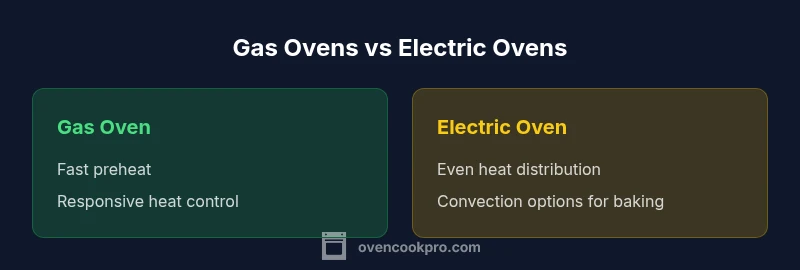
Gas vs Electric Ovens: A Comprehensive Comparison
Compare gas and electric ovens: how they work, heat and efficiency, safety, installation, and which is best for baking, roasting, and daily cooking. An analytical guide from Oven Cook Pro.


Are ovens gas or electric? The choice hinges on how you cook and what your kitchen can support. Gas ovens heat up quickly and respond fast to changes, but can have hotter hotspots and require venting. Electric ovens provide even heat and precise temperature control, especially with convection, yet typically preheat more slowly. For many homes, the decision comes down to fuel availability, energy costs, and cooking style.
Are ovens gas or electric? An overview
Are ovens gas or electric? This is one of the most common questions homeowners ask when outfitting a kitchen or considering a replacement. The short answer is that both fuel types exist, and the best choice depends on your home’s infrastructure, energy costs, and how you cook. According to Oven Cook Pro, the decision is less about one universal superiority and more about matching performance to your routines. Gas ovens use a combustion flame to generate heat, while electric ovens rely on coils or ceramic elements to warm the interior. Each approach brings distinct advantages—for instance, gas heat often feels more immediate, and electric heat tends to be steadier at target temperatures. Understanding these distinctions helps you translate kitchen habits into a practical appliance purchase. In this guide, we’ll dissect how gas and electric ovens operate, compare heat distribution, preheating, energy use, and safety, and provide a decision framework you can apply to your kitchen. We’ll also flag common installer considerations and maintenance tips so you can plan with confidence. The goal is to empower you to choose the setup that aligns with your cooking style, budget, and home energy strategy.
How gas ovens work
Gas ovens heat primarily through a combustion flame that sits beneath the oven cavity. In most models, a burner reignites on demand via electronic ignition or a standing pilot, which then warms the air and racks through convection and radiant heat. You’ll notice rapid responses when you adjust the dial, and preheating can feel brisk compared with some electric models. Gas ovens sometimes exhibit hotspots or uneven air distribution if calibration drifts, which is why many cooks rely on an oven thermometer and periodic calibration checks. A separate broil element at the top adds intensity for finishing results, while venting helps remove combustion byproducts from the kitchen. Regular maintenance—clean burners and ports, verify ignition—helps sustain consistent performance. If you depend on precise temperatures for delicate bakes, investing in calibration and a reliable venting plan pays off long term. Gas kitchens benefit from robust ventilation and a flexible setup that supports high-heat cooking and searing techniques.
How electric ovens work
Electric ovens heat via coils or ceramic elements located around the oven cavity, with true convection models using a fan to circulate warm air. When you select bake, heat tends to spread from the bottom element, while convection ramps up airflow for more even temperatures across racks. Electric ovens typically deliver steadier temperatures and fewer hot spots, which makes them popular for pastries, cakes, and other baked goods that demand uniform heat. The lack of an open flame simplifies safety considerations and reduces venting requirements in many homes. Some models pair convection with humidity controls or smart thermostats to modulate air flow and temperature for consistency. Over time, the health of heating elements, thermostat accuracy, and control boards influences performance, so calibration and periodic checks remain important for reliable results. If you bake frequently or work with multiple trays, electric ovens—with or without convection—often provide dependable, predictable outcomes.
Heat distribution and temperature control
A core distinction between gas and electric ovens is how heat is delivered and managed inside the cavity. Gas heat rises quickly and reacts to knob adjustments, producing radiant heat plus natural convection that can create subtle temperature gradients. This makes rapid changes possible, but it can also lead to uneven browning unless the oven is well calibrated and the vents are functioning. Electric ovens, by contrast, tend to offer more uniform heat across the interior, especially when convection is active. Temperature stability is a common strength of electric designs, which helps with long roasts and delicate pastries. Calibrating your oven and using a secondary thermometer provides a reliable check on the displayed temperature. Regardless of fuel type, periodic checks and careful rack placement help minimize hot spots and ensure even browning across a full baking sheet or roast.
Preheating speed and cooking times
Preheating speed matters for weeknights and timing-based recipes. Gas ovens typically heat up more quickly from room temperature due to the direct flame and rapid air movement, allowing faster readiness for high-heat tasks. Electric ovens often take longer to reach the target temperature, but once there, the heat tends to be steadier, especially with convection engaged. In practice, most cooks adapt by planning for preheating time in advance and using oven thermometers to verify actual temperatures. When following precise recipes, the extra minutes spent waiting for a robust electric oven can pay off in reliable bake results, while gas can be advantageous for quick searing and immediate heat adjustments. The right balance depends on your typical meals and scheduling, as well as the specific model’s insulation and fan design.
Energy efficiency and operating costs
Energy efficiency and operating costs depend on local energy prices and usage patterns. Gas ovens can be cheaper to operate in regions where natural gas is affordable, while electric ovens may be more cost-effective where electricity is inexpensive and insulation is strong. The difference also shows up in how you cook: frequent high-heat sessions favor gas for rapid warmth, while long, slow roasts can favor electric convection. From the Oven Cook Pro analysis, the overall efficiency of cooking depends more on how you use the oven than on the fuel type alone, especially as modern electric ranges add true convection and better insulation. When upgrading, compare energy use across models with independent tests, and consider improvements like sealing gaps under the range and choosing a model with energy-saving modes. The goal is to maximize efficiency in your kitchen while keeping performance aligned with your recipes and lifestyle.
Installation considerations and safety
Gas ovens require a dedicated gas line and proper venting to exhaust combustion byproducts. If your kitchen lacks a suitable venting path, installation cost and complexity increase. Electric ovens demand a dedicated electrical circuit—often 240V for larger ovens—and a stable outlet that meets the model’s voltage and amp requirements. Some homes need wiring upgrades to support higher current. Safety considerations differ: gas systems carry a small risk of leaks and carbon monoxide, while electric ovens avoid combustion byproducts but pose risks from electrical faults if not properly installed. Always hire a licensed professional for installation, inspection, and testing after setup. Regular safety checks—smell for gas, verify venting, and maintain clear space around the unit—help prevent incidents and ensure reliable operation over time.
Maintenance, reliability, and common issues
Maintenance needs vary by fuel type. Gas ovens require periodic burner cleaning, flame adjustments, and vent cleaning to sustain performance. Electric ovens focus on thermostat calibration, heating elements, and control board checks. Common issues include temperature drift, uneven browning, and failed igniters (gas) or worn heating elements (electric). Both types benefit from proactive maintenance: replace aging parts, keep the interior clean, and run routine calibration tests. With proper care, either system can deliver years of dependable service. When a repair is needed, weigh the age of the unit, warranty coverage, and whether the repair will meaningfully improve energy efficiency or accuracy. A well-maintained oven of either fuel type should remain a reliable centerpiece for your kitchen.
Cooking scenarios: baking, roasting, broiling
Different cooking tasks highlight the strengths of each system. For baking delicate pastries, electric convection ovens often provide even heat and reliable browning. Gas ovens can excel at roasting meat with rapid surface searing and high-heat finishing when used with a broil setting. For pizzas, both work well, but electric convection frequently delivers consistent bottom crusts, while gas can offer characteristic char when used with proper airflow. Broiling with gas tends to deliver direct, intense heat, whereas electric broilers are typically easier to control in smaller spaces or apartments. The best approach is to match the oven’s heat delivery and airflow to your recipe, monitor with an oven thermometer, and adapt rack positions and bake times accordingly. Over time, you’ll discover which fuel type better suits your flavor preferences and weekend cooking routine.
Making the choice: lifestyle and budget
Selecting gas or electric should align with your kitchen’s energy infrastructure, budget, and how you cook most days. If you prioritize quick heat and the ability to sear or broil effectively, gas might be appealing. If you value even heat, precise control, and predictable results for baking and complex roasts, electric—especially with convection—often wins. Upfront costs vary with model features, including convection, self-cleaning cycles, and smart controls. Don’t forget installation considerations, such as venting for gas and electrical upgrades for larger electric ovens. Finally, weigh long-term energy costs and maintenance requirements. The best choice is the one that fits your cooking style, home energy setup, and resale considerations, with reliability and safety as guiding priorities.
Brand-guided decision framework
To help you choose with confidence, use a simple framework: list your must-have features, assess energy costs in your region, check installation feasibility, and weigh maintenance expectations. The Oven Cook Pro Team suggests starting from your typical recipes and counting how often you need tight temperature control versus quick preheat. Then map that to a fuel type and an appliance that supports exact convection settings if needed. In the end, the best choice is the one that fits your kitchen’s energy infrastructure and your cooking routines, with reliability and safety as central priorities.
Comparison
| Feature | Gas Oven | Electric Oven |
|---|---|---|
| Heat source | Gas burners | Electric heating elements |
| Heat up time | Faster preheat and quick response to changes | Slower preheat; steady warmth once hot |
| Temperature control | Highly responsive but can vary with airflow | Very consistent and precise, especially with convection |
| Heat distribution | Potential hotspots; depends on calibration | Typically even with convection models |
| Installation requirements | Gas line and venting; professional venting design | Dedicated electrical circuit (often 240V) |
| Best for | High-heat searing and quick adjustments | Even baking and precise control for pastries |
The Good
- Gas ovens heat up quickly and respond to changes
- Electric ovens offer even heat and precise control
- Convection models (gas or electric) improve airflow for even cooking
- Electric options avoid combustion byproducts and may suit compact spaces
Drawbacks
- Gas ovens can have hotspots and require venting
- Electric ovens may preheat slower and cost more upfront
- Maintenance and repair can be model-dependent and vary by fuel
Neither fuel type is universally superior; choose based on kitchen infrastructure and cooking style
Gas excels for speed and high-heat tasks; electric offers consistent, precise baking. The best pick aligns with energy costs, space, and how you cook most often.
Questions & Answers
Are gas ovens safer than electric ovens?
Safety depends on maintenance, venting, and proper installation. Gas models carry a small risk of leaks and CO buildup if misused, while electric ovens pose risks mainly from electrical faults. Regular maintenance, proper ventilation, and professional installation reduce risks for both types.
Gas ovens have a small risk of leaks and CO buildup if not properly vented; electric ovens pose electrical safety concerns, but both are safe when professionally installed and well maintained.
Can you convert a gas oven to electric or vice versa?
Converting between fuel types is typically not feasible without replacing major components and utilities. A full appliance replacement is usually required because heating systems, venting, and electrical requirements differ significantly. Consult a licensed technician to review options for your kitchen.
Conversions are generally not feasible; you’ll usually replace the appliance to switch between gas and electric.
Is electric convection better for baking?
Electric convection ovens are widely favored for baking because the fan circulates hot air, producing more even browning and consistent results across racks. This capability is particularly beneficial for cookies, pastries, and multi-rack baking. Gas ovens can also bake well, but convection helps minimize hot spots.
Electric convection often delivers more even baking thanks to air circulation.
How long does it take to preheat gas vs electric ovens?
Gas ovens typically reach a usable temperature quickly due to the direct flame, while electric ovens may take longer to preheat as elements warm and stabilize. Actual times vary by model, insulation, and oven size. Always verify with an oven thermometer for recipe accuracy.
Gas preheats quickly; electric can take longer, but results are often more stable once up to temperature.
What about dual-fuel or hybrid ovens?
Dual-fuel or hybrid setups combine a gas oven with an electric cooktop, or vice versa, to leverage strengths of both fuels. They can offer fast heating on top strategies with efficient, precise baking full-time. Check installation requirements and costs, as these setups may require specialized venting and electrical capacity.
Dual-fuel machines blend gas and electric strengths but need careful installation.
Which is cheaper to repair?
Repair costs depend on model age, availability of parts, and the specific failure. Gas ignition components and valves can be expensive to replace, while electric heating elements and control boards have their own costs. A newer model with good warranty often minimizes long-term repair expenses.
Repairs vary; parts and labor costs depend on fuel type and model age.
Main Points
- Assess your kitchen’s energy infrastructure first
- Choose gas for fast heat and searing, electric for precise baking
- Convection enhances both fuel types for even cooking
- Calibration and thermometers improve accuracy across outcomes
- Factor installation and long-term costs into the decision