How to Put Oven Inner Glass Back On
Learn to safely reinstall your oven's inner glass with a clear, step-by-step method. Safety, tools, reseating, and seal verification to prevent heat leaks and injuries. Expert tips from Oven Cook Pro.


According to Oven Cook Pro, you can safely reattach the oven's inner glass by following a focused, step-by-step approach. Start by unplugging the unit and removing the door, then inspect the gasket, tracks, and the glass itself for damage. Gather a heat-resistant glove, a screwdriver, and a microfiber cloth, and proceed patiently to reseat the glass without forcing parts.
Why Reattaching the Inner Glass Matters
A properly seated inner glass is essential for heat retention, door alignment, and safe operation. If glass sits loosely or is misaligned, you may experience heat leakage, uneven cooking, or the risk of shards during a bake cycle. For homeowners, the goal is to restore a tight seal that supports energy efficiency and safe oven performance. This section explains why the inner glass affects heat distribution and door operation, and what outcomes you should expect when the glass is correctly reinstalled. It also highlights that a damaged glass panel should be replaced rather than force-seated, to prevent shattering or burns. By following careful steps, you reduce the risk of accidents and extend the life of the door assembly.
Safety First: Prep and Precautions
Before you touch the oven interior, power down fully and allow the appliance to cool. Remove any racks and place the door on a soft, stable surface to avoid chips or scratches. Wear heat-resistant gloves and eye protection; keep a magnet or screw tray handy to organize fasteners. Work in a well-lit, cleaned area, and avoid touching hot surfaces. This stage minimizes burn risk and ensures you can focus on precise seating without rushing. If you find any damaged wiring or exposed elements, stop and consult a professional.
Visual Checklist: What to Inspect Before Reassembly
Carefully inspect the inner glass for chips or cracks; check the gasket seating and track surfaces for wear. Look for cracks around mounting points or warping in the door frame. Ensure there are no loose screws or bent brackets that could misalign the panel. A clean, dry surface helps glass seat evenly. If you notice damage, do not attempt reuse—order the correct replacement from the manufacturer and proceed only after installation components arrive.
Step-by-Step Overview of the Reinstall Process
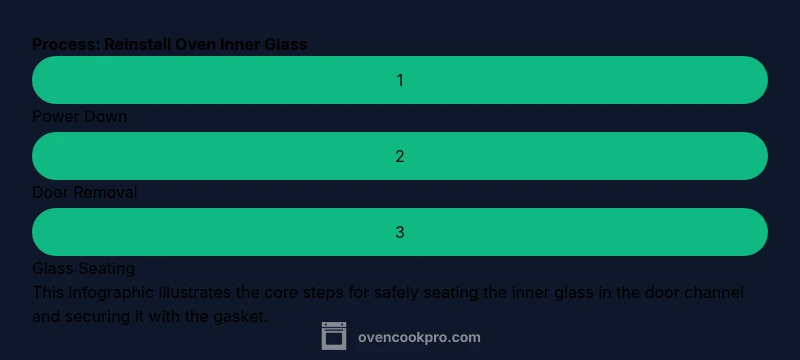
The core goal is to align the inner glass with the door frame, then secure it without overtightening. Begin by placing the glass into its channel, ensuring the gasket lies flat and evenly around the edge. Reinstall retaining screws gradually in a cross pattern, checking alignment after each turn. Finally, reattach the door and perform a light test by gently closing it to confirm there are no gaps. This overview maps the sequence so you can anticipate each action before you start.
Detailed Steps for Seating the Glass
This section complements the step-by-step instructions with emphasis on seating accuracy. Start by cleaning the seating surface, wiping away dust and old sealant. Place the glass squarely in the channel, ensuring the gasket sits evenly and is not bunched. Insert the retaining hardware loosely at first to allow micro-adjustments, then snug the screws evenly. Avoid applying excessive force that could chip glass or bend the frame.
Common Pitfalls and How to Avoid Them
Common mistakes include forcing the glass into a misaligned channel, skipping gasket inspection, or over-tightening screws. These actions can crack glass, cause leaks, or reduce door alignment. To avoid them, double-check alignment visually, use a soft cloth to wipe surfaces, and torque screws to manufacturer recommendations. If you observe uneven seating after tightening, back out screws and reseat the glass again.
Post-Reassembly Tests: Confirming a Safe Fit
With the glass seated, reattach the door and ensure it closes smoothly without catching. Run a brief bake cycle without food to observe heat distribution and look for gaps along the edge. Check that the door remains flush when closed and that the gasket forms a continuous seal. If you notice heat escape or rattling, stop and recheck the seating and screw torque before using the oven for cooking.
Maintenance Tips to Extend Glass Life
To prolong inner glass life, handle the door gently, avoid slamming, and clean the glass with non-abrasive products. Inspect the gasket every few months for wear or cracking, replacing as needed. Store the door carefully when removing it for other maintenance tasks, and keep the glass edge protected from impact. Regular checks reduce the risk of future reseating.
Tools & Materials
- Screwdrivers (Phillips #2 and flathead)(Used to remove screws securing the door frame)
- Heat-resistant gloves(Protect hands from heat during reassembly)
- Microfiber cloth(Wipe away debris and avoid scratching glass)
- Glass replacement inner panel (if cracked)(Only if the current glass is damaged)
- Silicone gasket or high-temperature sealant (as applicable)(Check manufacturer guidance; do not apply excess sealant)
- Masking tape(To hold glass gently during seating and alignment)
- Flashlight(Better visibility in door cavity)
- Replacement screws if stripped(Keep on hand)
Steps
Estimated time: 40-60 minutes
- 1
Power down and prepare workspace
Unplug the oven and let it cool completely. Remove any racks and identify the door components. Photograph or label each screw location to aid reassembly, and arrange parts on a soft mat to prevent chipping.
Tip: Label screws by location and keep them in a tray to avoid mix-ups. - 2
Remove the oven door safely
Open the door to a comfortable angle. Support the door and hinge area, then detach hinges or mounting screws as directed by your model. Place the door on a padded surface to prevent damage.
Tip: Use a thick towel to cushion the door and prevent accidental drops. - 3
Access the inner glass panel
With the door removed, locate the glass retainers and screws that hold the inner panel. Gently loosen and remove them, supporting the glass as you lift it out of the frame.
Tip: Support the glass with both hands to avoid drops and chips. - 4
Inspect glass and gasket for damage
Check the glass for cracks, chips, or clouding. Inspect the gasket seating for wear; replace if torn or deformed. If the glass is damaged, do not reuse—order the correct replacement part.
Tip: Replace damaged glass or gasket before reseating to prevent leaks. - 5
Clean seating surfaces
Wipe the frame channels and gasket surfaces with a microfiber cloth. Remove old sealant if present and ensure a clean, dry seating plane. Any debris can prevent a flush seal.
Tip: A clean surface is crucial for a uniform seal. - 6
Position the inner glass into frame
Align the glass with the channel and ensure the gasket sits evenly around the edge. Gently place the glass, avoiding forced insertion, which can crack the pane.
Tip: Lightly tilt the glass to ease seating and prevent edge chipping. - 7
Secure retaining hardware and verify seating
Loosely install screws first, then progressively tighten in a cross pattern. Check that the glass sits flush and the gasket is even. Do not overtighten, which could stress the glass.
Tip: Use a torque-limited screwdriver if available. - 8
Reinstall door and perform safety test
Mount the door back on hinges and clamp screws. Close the door and run a short bake cycle without food to confirm sealing and alignment. Inspect for gaps and adjust if needed.
Tip: Test without food first to verify safe operation.
Questions & Answers
Can I reuse the existing inner glass if it's scratched but not cracked?
If the glass is intact and there are no cracks, you can reinstall it. If you see cracks or chips, replace the panel.
If it's intact, you can reuse it; cracks mean you should replace it.
What safety precautions should I take before starting?
Unplug the oven and allow it to cool completely. Wear heat-resistant gloves and keep screws organized to avoid losing parts.
Unplug it, let it cool, wear gloves, and stay organized.
What if the inner glass won't seat correctly after reassembly?
Double-check alignment and gasket seating. Ensure the glass edge sits fully in the channel before tightening screws.
Check alignment and seating; make sure the glass sits in the channel.
Does this repair affect the oven warranty?
Warranties vary by model. Check your manufacturer terms; some repairs may affect coverage.
Check the warranty terms; some repairs can affect coverage.
How long does the process take?
Most homeowners finish in about 40-60 minutes, varying with model and glass condition.
Usually around 40 to 60 minutes.
Should I replace the gasket along with the glass?
Replace the gasket if it's worn or damaged. A new gasket helps maintain a proper seal.
Replace the gasket if damaged for a proper seal.
Watch Video
Main Points
- Power down and prep before handling glass
- Inspect glass and gasket for damage
- Align glass precisely to avoid leaks
- Tighten screws evenly; avoid over-tightening
- Test oven function before cooking