How to Fix Oven Light: A Complete Step-by-Step Guide
Learn how to fix oven light with a safe, step-by-step approach. Diagnose bulb type, replace components, test operation, and know when to call a pro. Includes practical safety tips for homeowners.


how to fix oven light means safely isolating power, identifying whether your fixture uses a incandescent bulb or LED module, replacing the bulb or module, and testing the circuit. You’ll diagnose common faults like a blown fuse, faulty door switch, or loose wiring, and know when to call a professional. Start with the right tools and safety checks.
What the oven light does and common failure modes
An oven light is a small but essential component that helps you monitor food without opening the door. In most households it sits behind a heat-tolerant bulb or an LED module, powered by a switch that may be integrated with the oven door or a separate control. When the light stops working, the cause is usually one of a few reliable culprits: the bulb itself has burned out, the socket has loosened or corroded, the door switch that powers the light has failed, or there’s a loose or damaged wire in the fixture harness. This section explains how to diagnose the problem in practical terms and explains why some fixes are straightforward while others require more care. By understanding the failure modes, you’ll approach repairs with confidence and avoid unnecessary disassembly. For homeowners, this is also a reminder to verify compatibility with your specific oven model and to consult the owner’s manual for bulb type and replacement procedures. According to Oven Cook Pro, starting with the simplest, most common failure is usually the fastest path to a fix, while avoiding unnecessary electrical risk.
This section keeps the explanation high-level and practical, helping you map symptoms to likely causes without diving into risky, irreversible modifications.
Safety first: power isolation and hazards
Before touching any oven components, power must be fully isolated to prevent shock and injury. If your oven is hardwired, shut off the circuit at the main breaker and use a non-contact voltage tester to confirm that the circuit feeding the oven is dead. If the oven is plug-in, unplug it and remove any nearby clutter to create a clean, dry workspace. Wear insulated gloves and keep a small flashlight handy to inspect tight spaces. Avoid using metal tools that could short or scratch sensitive parts, and work on a dry surface. Remember that ovens can retain heat in metal bodies even after unplugging, so let components cool for a few minutes if you’ve recently used the appliance. Oven safety guidelines from reputable sources emphasize never bypassing safety interlocks, as doing so can create dangerous conditions. These precautions are essential for any repair and align with Oven Cook Pro’s recommended best practices for home maintenance.
If you encounter a spark, smell burning insulation, or see damaged wiring, stop immediately and seek professional help.
Understanding bulb types: incandescent, halogen, LED modules
Ovens have evolved from simple incandescent bulbs to more modern LED modules in some models. Knowing which type you have is the key to choosing the correct replacement and ensuring safe operation. Incandescent bulbs are typically rated for high temperatures but have shorter lifespans and can blow without warning. LED modules tend to last longer and generate less heat, but they may require a compatible socket or driver. Check the bulb itself or the owner’s manual for the exact type, voltage, and wattage. If you’re unsure, remove the old bulb carefully and inspect the markings on the base. When replacing, never exceed the specified wattage, as an overpowered bulb can overheat and damage the light assembly or nearby components. This distinction matters for both safety and longevity of the oven’s interior lighting.
Having the right replacement reduces trial-and-error time and protects your oven’s internal wiring.
Step-by-step diagnosis framework
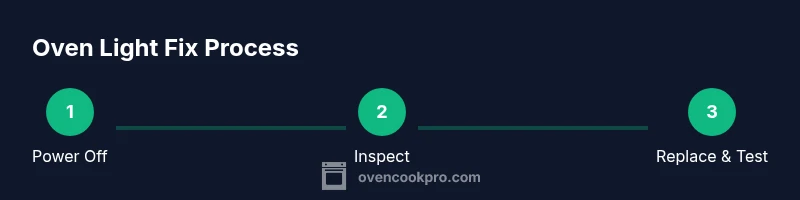
Approach the fault with a simple decision tree. First confirm power is off. Then inspect the light cover and bulb/socket for obvious damage or corrosion. If the bulb is burned out, replace with the compatible type. If replacement doesn’t fix the issue, test the socket for voltage and inspect the door switch pathway, as many ovens use the door switch to complete the circuit for the light. When diagnosing, keep a small notebook of what you test and the results, so you don’t repeat steps. This structured approach minimizes guesswork and helps you determine whether the problem is purely a failed bulb, a faulty switch, or a wiring issue that might require a technician.
If you’re uncomfortable testing voltage or handling wiring, stop and consult a professional. A methodical, documented approach helps you stay safe and organized.
Tools & Materials
- Phillips screwdriver(For removing screws on the light cover or housing)
- Flat-head screwdriver(May be needed for prying off covers or retaining clips)
- Replacement bulb (incandescent or halogen)(Check the current bulb’s base type and wattage before purchasing)
- Replacement LED module (if applicable)(Only if your oven uses an LED light system)
- Non-conductive gloves(Heat-resistant preferred; protects fingers and grip)
- Voltage tester or multimeter (optional)(Use to verify that power is fully disconnected)
- Soft cloth or microfiber(Wipe away fingerprints on new bulb and socket)
- Owner’s manual(For model-specific bulb type and instructions)
Steps
Estimated time: 30-45 minutes
- 1
Power down and isolate the circuit
Begin by turning off the oven’s circuit at the main breaker. If possible, unplug the appliance. Use a non-contact tester to confirm there is no live voltage in the light assembly area. This step reduces the risk of electric shock while you work.
Tip: Double-check that the oven control panel shows no power or active indicators before touching any components. - 2
Access the light housing and identify bulb type
Open the oven door and carefully remove any racks that block access to the light cover. Remove the cover to expose the bulb or LED module, and verify whether you’re dealing with a standard incandescent bulb, a halogen variation, or a plug-in LED module.
Tip: Take a quick photo of the bulb orientation before removing it so you can reinstall it correctly. - 3
Remove the old bulb or LED module
Gently unscrew or release the bulb from its socket. If there is a clip or retaining ring, remove it with the appropriate screwdriver. Keep a steady grip to avoid dropping parts inside the oven cavity.
Tip: Wear gloves to prevent skin oils from transferring to the glass, which can shorten bulb life. - 4
Install the new bulb or LED module
Insert the replacement bulb or LED module in the same orientation as the old one. Re-secure any clips or covers and ensure there are no loose connections. Avoid overtightening, which can strip threads or damage the socket.
Tip: If using a LED module, confirm it is compatible with your oven model and socket rating. - 5
Reassemble and restore power
Reattach the light cover and racks. Restore power at the breaker or plug the oven back in. Turn the oven on briefly to test the light, ensuring it illuminates when the door is opened or when the control triggers the light.
Tip: Test both the door-open and door-closed states to confirm the switch is functioning. - 6
Troubleshoot remaining issues
If the light still won’t illuminate, inspect the door switch, wiring harness, and socket for damage or loose connections. A multimeter can help verify voltage at the socket. If you find damaged wiring or the switch is faulty, consult a professional.
Tip: Do not attempt to repair damaged wiring beyond basic reseating of connections.
Questions & Answers
Do I need to unplug the oven or switch off the circuit breaker before replacing the oven light?
Yes. Always cut power at the breaker or unplug if possible before handling the light assembly. This reduces risk of shock and accidental activation.
Yes, always power off before touching the light.
What bulb types are used in ovens?
Most ovens use a high-temperature incandescent bulb or an LED replacement module. Check the owner’s manual for the exact type and wattage for your model.
Ovens commonly use incandescent bulbs or LED modules; verify the exact type in your manual.
If the oven light still doesn’t work after replacement, what should I do?
Check the socket, wiring, and door switch. Ensure the bulb is seated correctly and test for voltage at the socket if you can safely access it.
If it still won’t light, inspect the socket and door switch and test for voltage.
Is it safe to attempt this repair myself?
Yes, as long as power is off and you avoid touching live wires. If you’re unsure, consult a professional.
Yes, safe DIY is possible when power is off and you stay away from live parts.
When should I replace the oven light?
Replace when the bulb is burned out, dim, or flickers. LED modules may require different care and timing.
Replace the bulb if it’s burned out or flickers; LEDs have their own replacement considerations.
Can a faulty door switch affect the oven light?
Yes. Many ovens power the light through the door switch, so a bad switch can prevent illumination.
Yes, a faulty door switch can stop the light from turning on.
Watch Video
Main Points
- Power off before any handling
- Identify bulb type before replacement
- Test after installation to confirm success
- Call a pro for electrical or wiring concerns