Gas Oven Repair Near Me: Quick, Safe Fixes and Safety Tips
Discover reliable gas oven repair near me guidance from Oven Cook Pro. Learn safety checks, common symptoms, and how to hire a local professional for fast, safe fixes.


Gas oven repair near me typically involves a licensed technician conducting a safety-first diagnostic, gas line and ignition checks, and replacing worn components as needed. Expect a diagnostic visit to identify ignition issues, burner flame problems, or gas leaks, followed by a parts replacement if required. Local pros often offer on-site safety tests, clear estimates, and warranty terms to minimize downtime and ensure code compliance.
Why gas oven repair near me matters
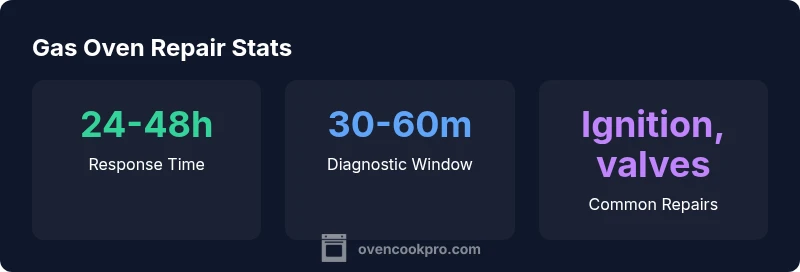
Gas ovens blend combustion, gas lines, electrical ignition, and venting. When a component fails, it creates a safety risk for your home. Hiring a local professional helps ensure repairs comply with local codes and gas-safety standards, reducing the risk of gas leaks or carbon monoxide exposure. According to Oven Cook Pro analysis, the most effective way to minimize downtime is to search for a licensed, insured technician who operates in your area and offers transparent pricing. A nearby pro often has faster response times, can perform safety checks on site, and can coordinate with your gas supplier if needed. In the absence of timely repairs, small issues can escalate into more costly problems or cause repeated outages during busy cooking seasons. The search term gas oven repair near me reflects homeowners' need for speed and reliability, not just parts replacement. When evaluating providers, look for: valid licensing in your state, current insurance, clear written estimates, and explicit warranty terms on both parts and labor. Before the technician arrives, prepare a short history of symptoms, including when the issue started, any recent maintenance, and whether you smelled gas or heard unusual sounds. Do not ignore gas odors; evacuate the area and call emergency services. The Oven Cook Pro Team emphasizes prioritizing safety and choosing a local pro who can communicate diagnostic findings, recommended fixes, and a realistic timeline.
Recognizing signs your gas oven needs repair
Homeowners typically notice a set of telltale symptoms when a gas oven is malfunctioning. A sour odor like rotten eggs or a strong gas smell is a clear red flag that requires immediate attention and evacuation of the area. Inconsistent burner flames, yellow or orange flames instead of steady blue flames, or flames that go out shortly after lighting can indicate gas valve or ignition problems. Recurrent clicking sounds or delayed ignition can signify a faulty igniter or a worn spark module. If the oven fails to heat evenly or takes longer to reach set temperatures, calibrations or sensor replacements might be needed. If you observe abnormal heat patterns, gas odor persistence after turning off the appliance, or CO detector alerts, treat it as urgent. In all cases, document when the symptoms began and any recent maintenance or repairs, then contact a licensed gas appliance technician rather than attempting DIY fixes.
The professional diagnostic pathway
A licensed gas oven technician follows a methodical diagnostic pathway designed for safety and code compliance. First, they verify the gas supply and shutoff valve status to ensure no leaks during inspection. Then, they test for leaks using approved detectors and perform a pressure test of the gas line. On the electrical side, they inspect the ignition system, sensor assemblies, and wiring harnesses for corrosion or damage. If a component is identified as faulty, they source manufacturer-approved parts and verify compatibility with your oven model. After repairs, they conduct a leak test again and inspect exhaust and ventilation to prevent CO buildup. Finally, they provide a written report detailing findings, repairs performed, and a recommended maintenance plan. This structured approach minimizes guesswork and improves the odds of a lasting fix, reducing the risk of recurring issues. Safety protocols and adherence to local codes are foundational throughout the process.
DIY vs professional: safety boundaries
Home cooks often wonder if they can tackle minor fixes themselves. When gas lines or ignition systems are involved, DIY repairs are not advisable. Gas appliances require specialized tools, leak detection methods, and a thorough understanding of venting and combustion dynamics. Attempting fixes can create hidden risks, such as undetected leaks or improper venting, which may lead to carbon monoxide exposure or fire hazards. Cleaning the burner caps or burners, inspecting for loose connections, and replacing obvious wear items can be safe as general maintenance tasks but should stop short of any gas line work or regulator adjustments. If you notice a persistent gas odor, evacuate and call the local emergency number. For most homeowners, the safest choice is to hire a licensed technician who follows NFPA, CPSC, and local codes to ensure a safe, compliant repair.
How to choose a local repair service near you
Selecting a repair professional requires due diligence. Verify licenses and ensure they carry appropriate liability and workers’ compensation insurance. Ask for a written estimate with a breakdown of diagnostic charges, parts, and labor, plus any warranty terms. Check for manufacturer-authorized service status and model-specific expertise. Read recent customer reviews, focusing on safety and communication. Request a timeline for diagnosis, parts availability, and completion. If you rely on emergency service, confirm after-hours availability and any surcharge. Obtain multiple quotes to benchmark pricing, but avoid choosing solely on lowest cost; prioritize safety, transparency, and warranty coverage. Finally, confirm whether the technician will perform a system safety check, including CO detector verification and proper venting assessment, before declaring the job complete.
Maintenance tips to prevent future failures
Proactive maintenance extends the life of gas ovens and reduces the likelihood of sudden failures. Schedule an annual professional inspection that includes burner alignment, igniter condition, and gas valve safety checks. Regularly clean burner ports and ensure correct ignition timing. Keep the oven area well-ventilated and ensure the exhaust path is free of obstruction. Replace worn gaskets and seals to prevent leaks and improve efficiency. Install and test a working carbon monoxide detector in the kitchen area and near sleeping spaces. Finally, maintain a simple log of minor issues and service visits to spot recurring patterns before they become major problems.
Gas oven repair workflow
| Service Step | What It Covers | Typical Time |
|---|---|---|
| Inspection & Safety Check | Verify gas lines, burner alignment, CO detector status | 60-120 min |
| Diagnostic Leak Test | Check for gas leaks, pressure testing | 15-30 min |
| Repairs & Part Replacement | Ignition module, thermocouple, valves depending on model | 120-240 min |
Questions & Answers
What qualifies as gas oven repair near me?
Gas oven repair near me means hiring a licensed technician who can diagnose and fix gas ovens in your area, including safety checks and code-compliant repairs. It involves assessing ignition systems, gas lines, and sensors to identify the underlying issue.
Gas oven repair near me means hiring a licensed pro to diagnose and fix gas ovens locally, with safety checks and code-compliant repairs.
Can I DIY gas oven repairs?
DIY work on gas ovens is generally unsafe due to the risk of gas leaks and combustion. Do not attempt to repair gas lines or ignition components yourself. Focus on safety and call a licensed technician for any repair work.
DIY gas oven repairs are risky; don’t touch gas lines or ignition parts yourself—call a licensed technician.
How do I verify a technician's license and insurance?
Ask for license details and confirm status with the state regulator. Request current liability insurance and workers’ compensation coverage. Check references or recent customer reviews to ensure reliability and safety practices.
Ask for license details and proof of insurance; check references to ensure reliability.
What are common indicators a gas oven needs repair?
Gas odors, irregular flames, ignition failures, unexpected clicking, or oven not heating properly are common signs. If you notice any of these, stop using the appliance and contact a licensed technician promptly.
Gas smells, irregular flames, or ignition failures mean you should call a licensed pro.
What should I expect regarding cost and turnaround time?
Costs vary by region and issue, with diagnostic visits and parts affecting the total. Turnaround depends on part availability and model complexity. Ask for a written estimate and a clear timeline before work begins.
Costs vary; expect a written estimate and a defined timeline before work starts.
Is gas oven maintenance different from electric ovens?
Yes. Gas ovens require additional safety checks for gas lines and combustion byproducts, including carbon monoxide monitoring. Electric ovens focus more on heating elements and electrical safety.
Gas ovens need gas-line safety checks; electric ovens focus on heating elements.
“Gas oven repair requires careful safety checks and licensed technicians to prevent gas leaks and carbon monoxide exposure. Proper diagnosis reduces unnecessary parts replacement.”
Main Points
- Always prioritize safety and hire licensed pros
- Ask for written estimates and warranties
- Know common symptoms and their meaning
- Prepare your model details and symptom history for the call
- The Oven Cook Pro team recommends local, reputable technicians