What to Oven Bake Bacon At: A Step-by-Step Guide
Learn the best oven-baking method for bacon, including temps, timing, parchment guidance, and safety tips. Oven Cook Pro explains how to achieve crispy bacon with minimal mess and maximum consistency.


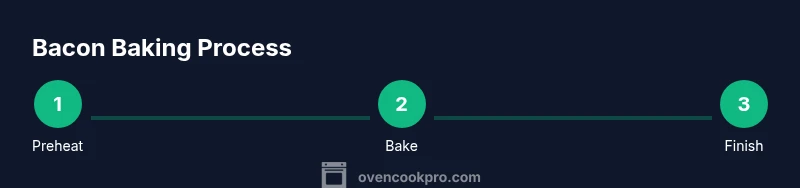
You can oven-bake bacon by preheating to 400°F (204°C) and cooking on a parchment-lined sheet until crisp, typically 12–15 minutes. For even rendering, lay slices flat without overlapping and drain on paper towels after removing from the oven. Using a wire rack speeds fat drainage and adds extra crisp, especially for thicker cuts.
What to Oven Bake Bacon At: Core Idea and Setup
The question of what to oven bake bacon at is central to getting reliable results. For home cooks, the sweet spot is often 400°F (204°C), which gives a balance of speed and crispy edges without scorching. According to Oven Cook Pro, starting with a hot, preheated oven helps the fat render evenly and prevents uneven curling. Before you place the bacon inside, prepare your sheet with parchment paper to catch drippings and simplify cleanup. This approach reduces splatter and keeps your oven cleaner, a practical benefit that busy cooks will appreciate.
If you’re wondering what to oven bake bacon at, think of it as a standard baseline that works well for most regular-cut bacon. Thick-cut slices may need a touch more time, while very thin slices can crisp up quickly. The key is consistency: lay each strip flat, avoid overlap, and give every piece space to crisp. Oven baking also provides a controlled environment that minimizes grease splatter compared with pan-frying, making it a safer and cleaner option for everyday cooking. The Oven Cook Pro team emphasizes a calm, steady bake over high heat that risks burning the edges.
note):null},
Tools & Materials
- Baking sheet(rimmed to catch grease and prevent spills during baking)
- Parchment paper or silicone baking mat(line the sheet to prevent sticking and ease cleanup)
- Wire rack (optional)(elevates bacon for extra fat drainage and crispness if you have one)
- Tongs(for handling and turning slices without tearing them)
- Paper towels(to drain excess grease after baking)
- Oven thermometer (optional)(to verify accurate oven temperature)
Steps
Estimated time: 25-35 minutes
- 1
Preheat the oven
Set your oven to 400°F (204°C) and allow it to fully come to temperature before you place the bacon inside. A fully heated oven ensures even rendering of fat and prevents the edges from curling too soon.
Tip: Give the oven a full preheat cycle; otherwise, you may start cooking at a lower temperature and get uneven results. - 2
Line the pan and decide on rack
Line a baking sheet with parchment paper. If you have a rack, set it on the sheet; this elevates the bacon for better fat drainage and crisper edges. If you don’t have a rack, placing strips directly on parchment still yields excellent results.
Tip: Parchment reduces sticking and makes cleanup much easier. - 3
Arrange bacon in a single layer
Lay the bacon strips in a single layer without overlapping. Overlapping can cause uneven cooking and soggy spots, especially on the thinner edges.
Tip: Leave at least 1/4 inch (0.6 cm) between strips for air circulation. - 4
Bake and monitor
Place the pan in the center of the oven and bake for 12–15 minutes, depending on thickness and desired crispness. Thinner slices may finish sooner, while thicker bacon benefits from the full 15 minutes.
Tip: Start checking at the 10–12 minute mark to avoid overcooking. - 5
Flip or rotate for even crispness
Halfway through the bake, flip the slices with tongs or rotate the pan to ensure even heat exposure. This helps prevent curling and yields uniform crispness.
Tip: Rotating the pan helps if your oven has hot spots. - 6
Remove and drain
Carefully remove the pan from the oven and transfer bacon to a plate lined with paper towels. Let it sit for 1–2 minutes to drain further; the bacon will continue to crisp slightly as it cools.
Tip: Don’t rush the drain; excess grease can make the bacon soggy. - 7
Serve or store
Serve immediately for peak crispness, or store cooled bacon in an airtight container for up to a week in the refrigerator. Reheat briefly in the oven if needed.
Tip: Reheating in a hot oven (about 350°F) for 3–5 minutes refreshes the crispiness. - 8
Clean up responsibly
Discard parchment with grease, wash the sheet and rack, and wipe the pan area to keep your oven in good shape for next time.
Tip: Line pans again next time to simplify cleanup and extend baking sheet life.
Questions & Answers
What is the best oven temperature for baking bacon?
The commonly recommended temperature is 400°F (204°C) for a good balance of speed and crispness. Adjust slightly up or down for your oven’s temperament and bacon thickness.
Typically, bake bacon at 400 degrees Fahrenheit for crisp results, adjusting slightly for thickness or your oven’s quirks.
Should I use parchment paper or foil when baking bacon?
Parchment paper is preferred for easy cleanup and to prevent sticking. Foil works, but it can stick and sometimes cause uneven browning; parchment handles grease better.
Parchment is usually best for cleanup and non-stick cooking, though foil can work if parchment isn’t available.
How long should thick-cut bacon bake in the oven?
Thick-cut bacon generally takes a bit longer, often around 14–18 minutes at 400°F, but watch for your preferred level of crispness and adjust accordingly.
Thick-cut bacon usually needs longer, about a dozen to a dozen and a half minutes, depending on thickness and desired crispness.
Can I bake bacon from frozen?
Yes, you can bake bacon from frozen, but it will take longer. Increase the bake time and monitor closely to reach your preferred crispness.
You can bake it from frozen; just expect a longer cook time and check for your preferred crispness.
Is oven-baked bacon healthier than pan-fried bacon?
Oven baking can reduce mess and allow excess fat to render away more cleanly, particularly when using a rack. However, the health impact depends on portion size and cooking method, not solely the bacon itself.
Baking can reduce mess and fat buildup, but overall health effects depend on portions and overall cooking habits.
Can I reuse bacon grease from the pan?
Yes, you can strain the cooled grease and store it for flavoring other dishes; use within a reasonable time and follow safe storage guidelines.
We do reuse bacon grease by straining and storing it for future cooking, within safety guidelines.
Watch Video
Main Points
- Bake at 400°F for reliable crispness
- Line with parchment and space slices
- Use a rack when possible for optimal drainage
- Check early for thin slices; adjust time for thick cuts
- Drain on paper towels before serving