Best Essential Oven Modes for Turkey: Step-by-Step Guide
Learn how to choose the right oven mode for turkey, including convection vs. conventional roasting, temps, timing, and pro tips from Oven Cook Pro.


Start with convection roast at 325-375°F (165-190°C) for even browning and faster cooking. For most turkeys, plan 15 minutes per pound if unstuffed, and add 20-30 minutes for stuffed. Use a meat thermometer to reach 165°F (74°C) in the thickest part, then rest 20-30 minutes. If browning too fast, tent with foil and reduce heat briefly.
Understanding Oven Modes for Turkey
Choosing the right oven mode is the foundation of a successful roast. The central question is what oven mode for turkey, and the answer depends on texture, time, and level of browning you want. Convection roast uses a fan to circulate hot air, which helps crisp the skin and promote even cooking. Conventional roast relies on radiant heat without forced air, which is gentler and can be more forgiving for larger birds. For stuffed turkeys, convection can still work well, but you may need a slightly longer total time and extra attention to the center of the stuffing. According to Oven Cook Pro Team, a practical approach is to begin with convection roast at a moderate temperature to initiate browning, then switch to a conventional roast in the final phase to ensure the interior reaches the safe temperature without drying the surface. This method balances speed, texture, and safety, especially for home cooks aiming for juicy meat and crisp skin.
Prepping the Turkey and Equipment
Before you turn on the oven, assemble essential gear: a large roasting pan with a rack, a reliable meat thermometer, a probe thermometer if possible, a basting brush, heavy-duty foil, a sharp carving knife, and kitchen towels. Start with thorough defrosting if needed, since partial thawing can lead to uneven cooking. Pat the skin dry to promote crispness, remove giblets and neck, and consider dry-brining for 12-24 hours or a light brine for added moisture. Season generously with salt and aromatics under the skin for deep flavor. Place the turkey on a rack so air can circulate, and have your thermometer positioned in the thickest part of the thigh, away from bone. Finally, plan a resting window of 20-30 minutes after removal.
How to Decide the Best Oven Mode Based on Turkey Size and Stuffing
Size and stuffing influence mode selection. A 10-12 pound unstuffed turkey roasts well in convection at 325-350°F (165-175°C) for about 2.5-3 hours, with the internal temperature reaching 165°F in the thigh. Stuffed birds require additional time—roughly 15-25 minutes more—and you should monitor the center of the stuffing as well as the meat. For larger birds (14-20 pounds), convection still provides even heat but you may need to add 20-40 minutes of cooking time; consider finishing with a conventional roast or tenting the breast to prevent excessive browning. If using a traditional bake setting (no fan), keep around 350°F (175°C) and expect longer cook times. Always position the turkey breast-side up on a rack, avoid crowding the pan, and use the thermometer to track doneness. Oven Cook Pro guidance emphasizes resting after removal to finish the carryover cooking.
Step-by-Step Roasting Plan with Timelines
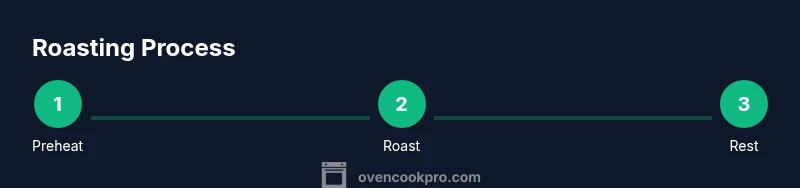
A clear roasting plan reduces guesswork. Begin by preheating to the chosen mode and temperature, then place the turkey on a rack in a sturdy pan. Insert the thermometer into the thickest part of the thigh, avoiding bone for accurate readings. Start with the higher browning phase if using convection, then reduce heat or tent the bird once the skin has achieved a desirable color. Maintain consistent oven conditions; resist opening the door frequently as it disrupts the heat and timing. Check the interior temperature after the first 1.5-2 hours and adjust timing as needed. Finally, let the turkey rest for at least 20-30 minutes before carving to keep juices aligned. See the step-by-step section for detailed actions and exact timings.
Common Pitfalls and How to Avoid Them
Common mistakes include relying on time alone without a thermometer, overcooking the breast while the thigh remains underdone, and exposing skin to excessive heat for too long. To avoid these, use a calibrated meat thermometer, aim for 165°F in the thickest part, and consider tenting once you achieve target color on the skin. If the exterior browns too quickly, drop the oven temperature by 25°F (15°C) or switch from convection to conventional roast for balance. Another pitfall is under-seasoning; turkeys benefit from salt and aromatics under the skin for enhanced juiciness and flavor. Keeping the pan dry helps achieve crisp skin, while brining or dry-brining can improve moisture retention.
Finishing Touches: Resting, Carving, and Juices
Resting is essential. After removing the turkey, cover loosely with foil and let it rest for 20-30 minutes; this allows juices to redistribute and the carryover cooking to finish safely. Carve the thigh and breast away from the bone, slice against the grain for tenderness, and transfer slices to a warmed platter. If you made a pan gravy, deglaze the pan with stock or wine to lift browned bits, then simmer to a silky consistency. Crisp skin should be maintained by patting away any pooled juices before slicing. A well-rested turkey is juicier and more flavorful, making the meal more satisfactory for family and guests.
Safety, Cleanup, and Record-Keeping for Your Next Roast
Always ensure proper handling of raw poultry and hot pans. Clean up with hot, soapy water and sanitize surfaces to prevent cross-contamination. Note the oven mode and times that worked best for your turkey this year; this simple log makes next year’s roast easier. If you used brining, document the salt concentration and brine duration for future reference. Properly store leftovers in shallow containers to cool quickly and safely, and refrigerate within two hours of cooking.
Tools & Materials
- Roasting pan with rack(Allows air to circulate around the bird)
- Oven thermometer(Monitors oven accuracy)
- Meat thermometer (digital preferred)(Check thigh and breast temps)
- Probe thermometer (optional)(For real-time core temperature)
- Carving knife and meat fork(Smooth carving and serving)
- Basting brush(Optional for glaze or butter)
- Heavy-duty aluminum foil(Tent the turkey if browning too fast)
- Paper towels(Pat dry and clean up)
- Kitchen twine (for trussing)(Helps shape the bird)
- Large plastic container or tray(Resting and holding juices)
Steps
Estimated time: 2 hours 30 minutes - 3 hours
- 1
Preheat and Prep
Preheat the oven to the chosen mode and temperature. Remove giblets and neck, pat the turkey dry, and season generously with salt and aromatics under the skin. If using brine, ensure the turkey has adequate time to dry before roasting.
Tip: Patting dry is essential for crisp skin; moisture on the surface steams rather than browns. - 2
Season, Truss, and Stuff (if desired)
Season the cavity lightly and insert aromatics. If stuffing, loosely pack the cavity and avoid overpacking so air can circulate. Truss the legs to promote even cooking and stable shape.
Tip: Dry-brining overnight can boost juiciness without adding extra liquid. - 3
Position in Roasting Pan
Place the turkey breast-side up on a rack in a sturdy pan. Ensure there is space around the bird for air to circulate; use the thermometer in the thickest part of the thigh.
Tip: Elevating the bird helps heat reach all sides and prevents soggy bottoms. - 4
Roast and Monitor Temperature
Roast at the recommended mode and temperature. Start checking at the 1.5-2 hour mark; aim for 165°F in the thigh and 165°F in the breast for safety if needed.
Tip: If the skin browns too quickly, tent with foil and adjust temperature slightly. - 5
Rest Before Carving
Remove from oven when target temps reach near completion and let rest 20-30 minutes. This yields juicier meat and clearer slicing.
Tip: During resting, carryover cooking finishes the inner temperature gently. - 6
Carve and Serve
Carve in thin, even slices to maximize tenderness. Spoon pan juices or gravy over slices for flavor and moisture.
Tip: Slice against the grain and keep slices warm for serving.
Questions & Answers
What is the best oven mode for roasting a turkey?
Convection roast at 325-375°F (165-190°C) is typically best for even browning and faster cooking. Use a thermometer to reach 165°F and rest before carving.
Convection roast at 325-375°F, check for 165°F, then rest before carving.
Should I use a convection oven for turkey?
Yes, convection can produce crisper skin and even doneness, but you may need to tent the bird and adjust times slightly to prevent over-browning.
Yes—convection helps crisp skin; monitor browning and time.
Do I cook stuffed turkey differently in the oven?
Stuffed turkeys require longer cooking; monitor both the turkey and the center of the stuffing to reach safe temperatures.
Stuffed birds need a bit more time; check stuffing and meat temps.
What internal temperatures matter when testing doneness?
The thickest part of the thigh should reach 165°F (74°C). The breast should be near 165°F, and the stuffing should also reach a safe temperature.
165 degrees in the thigh; ensure stuffing is safe too.
How long should turkey rest after roasting?
Rest the turkey for 20-30 minutes after removing from the oven to let juices reabsorb and finish cooking gently.
Rest for 20-30 minutes before carving.
Watch Video
Main Points
- Preheat correctly and choose convection to start browning.
- Use a thermometer to hit 165°F in the thickest part.
- Rest the turkey before carving to preserve juiciness.
- Adjust with tenting to prevent over-browning.
- Record what worked for next year’s roast.