How to Roast Potatoes in the Oven: A Master Guide
Learn to roast potatoes in the oven for crisp edges and fluffy centers with expert tips on prep, oil, temperature, timing, and serving ideas from Oven Cook Pro.


In this guide you will learn to roast potatoes in the oven to achieve crisp exteriors and fluffy centers. You'll learn potato selection, prep, seasoning, oil ratios, and the ideal oven temperature and timing. With practical steps, you can elevate a simple potato side into a crowd-pleasing dish. This method works with common varieties beyond Russets and Yukon Gold. Let's get started.
Why Roasted Potatoes in Oven Matter
Roasted potatoes in oven deliver a texture combination that no other method matches. The high heat creates a crisp, caramelized crust while the inner flesh remains tender and fluffy. This combination makes roasted potatoes a versatile side that pairs with proteins, vegetables, and sauces. Oven Cook Pro's approach emphasizes even cutting and space on the pan, which ensures uniform browning across every piece. For best results, start with a hot oven and dry surfaces to promote browning rather than steaming.
Choosing Potatoes and Prep
Potato choice matters for texture and flavor. Russet potatoes yield a classic crisp exterior with a fluffy interior, while Yukon Gold provide creamy interiors and buttery notes. Smaller potatoes roast faster and more evenly; larger chunks require longer roasting. Wash thoroughly, scrub skins, and dry completely to remove surface moisture that can hinder browning. Peel if desired, though leaving skins on adds texture and nutrients. After cutting, aim for 1-inch chunks so edges caramelize evenly.
Seasoning and Flavor Profiles
Oil is not just a lubricant; it is a browning agent. Use enough oil to lightly coat each piece (roughly 1–2 tablespoons per pound), then season with salt, pepper, and aromatics. Garlic powder, paprika, and dried herbs like thyme or rosemary create a savory crust. For a fresh finish, scatter chopped parsley or chives after roasting. If you prefer a stronger garlic aroma, toss potatoes with minced garlic early and watch for scorching. The goal is a balanced, savory crust that complements the potato's natural sweetness.
The Perfect Oven Technique
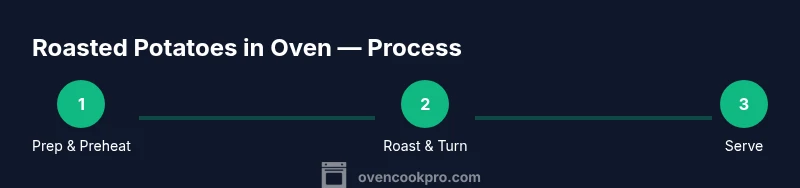
Preheat to 425°F (218°C). Use a heavy sheet pan or a rimmed baking sheet, lined with parchment or a silicone mat to prevent sticking. Spread potatoes in a single layer with space between pieces. If pan is crowded, potatoes steam instead of roast. For extra crispness, place a small rack on the pan to elevate pieces. Bake 20-30 minutes, then flip; continue until edges are deeply browned and potatoes are tender inside. Depending on potato size and oven, total roast time ranges 25-35 minutes. For convection ovens, reduce temperature by 25°F or monitor earlier; convection air speeds browning. Let potatoes rest a few minutes after removal to reabsorb juices.
Troubleshooting Common Issues
If potatoes come out soggy, dry them thoroughly before roasting and avoid overcrowding the pan. Ensure your oven is fully preheated and consider giving the pan an extra 5–10 minutes if needed. If the exterior is burnt before the interior is cooked, cut potatoes smaller next batch, reduce the oven temperature by 25°F, or switch to parchment to prevent scorching. For uneven browning, shake or flip pieces more often and rotate the pan halfway through roasting.
Variations and Serving Ideas
Boost flavor with variations like garlic-herb roasted potatoes, Parmesan-crusted, or paprika-lemon zest versions. Add chopped garlic and fresh herbs toward the end for brightness. For a heartier side, toss in bacon bits or grated cheese after roasting. Serve with a squeeze of lemon, a dollop of herb yogurt, or a green herb chimichurri to brighten the plate.
Storing and Reheating Leftovers
Let roasted potatoes cool to room temperature, then store in an airtight container in the refrigerator for up to 3-4 days. To reheat, spread in a single layer on a hot baking sheet and roast at 425°F (218°C) for 5–10 minutes, or until crisp. Reheated potatoes regain their crisp exterior, but expect slight softness in the center if they were stored for more than a day.
Safety and Cleanup
Roasting at high heat produces hot pan surfaces and sizzling oil. Use mitts, avoid touching metal edges immediately after removing from the oven, and keep children away from the rack during handling. Let the sheet pan cool before washing; soak with warm water and mild detergent if stuck-on bits remain. Line pans with parchment to reduce cleanup and prevent sticking on future roasts.
Tools & Materials
- Rimmed baking sheet or sheet pan(Heavy-gauge metal preferred for even heating; 1 per sheet, larger when roasting more.)
- Parchment paper or silicone baking mat(Line for easy cleanup and non-stick surface.)
- Sharp chef's knife(For clean, even cuts.)
- Cutting board(Stable surface for safe chopping.)
- Large mixing bowl(Toss potatoes with oil and seasonings.)
- Measuring spoons(Accurate oil and seasoning amounts.)
- Oven mitts(Protection when handling hot pans.)
- Timer(Track roasting intervals precisely.)
- Whisk or spatula(Mix oil and seasonings evenly.)
- Optional cooling rack(Elevates potatoes for extra crispness if crowded.)
Steps
Estimated time: 40-60 minutes
- 1
Preheat and prepare the oven
Preheat the oven to 425°F (218°C) and place a rack in the middle position. While it heats, line a sheet pan with parchment or a silicone mat for easier cleanup. This setup promotes even browning and prevents sticking.
Tip: Starting with a hot, properly prepared surface is key to a crispy crust. - 2
Cut potatoes into uniform chunks
Wash and scrub potatoes, then dry them thoroughly. Cut into roughly 1-inch pieces to ensure even cooking and browning. Uniform pieces help prevent some slices from burning while others stay underdone.
Tip: Aim for consistent size to achieve even texture. - 3
Optional parboil for fluffier edges
If you choose, boil cut potatoes for 5-7 minutes until slightly tender. Drain and shake the pot gently to rough up the edges. Let them steam-dry for a minute before the next step to maximize crispiness.
Tip: Parboiling increases surface area and fluff; skip if pressed for time. - 4
Toss with oil and seasonings
Transfer potatoes to a large bowl and toss with 1–2 tablespoons of oil per pound. Add salt, pepper, and chosen aromatics like garlic powder or herbs. Ensure every piece is lightly coated for even browning.
Tip: Coating evenly is essential; oil helps browning and flavor. - 5
Spread in a single layer
Spread the potatoes on the prepared sheet pan in a single layer with space between pieces. If pieces touch, they steam instead of roast, which reduces browning. Use a second pan or a rack if you have crowded bakeware.
Tip: Overcrowding is the enemy of crispiness. - 6
Roast and flip for even browning
Roast 25-35 minutes, flipping or shaking the pan halfway through. Look for deep golden edges and tender centers. If using convection, you may reduce the time or temperature slightly and monitor closely.
Tip: Flipping midway ensures even browning on all sides. - 7
Rest, serve, and customize
Remove from oven and rest 3-5 minutes to let juices redistribute. Taste and adjust salt if needed, then serve hot. Add finishing touches like chopped herbs or a squeeze of lemon for brightness.
Tip: Resting briefly helps retain crisp texture.
Questions & Answers
What potatoes are best for roasting in the oven?
Russet or Yukon Gold potatoes are ideal for roasting. Russets give crisp exteriors with fluffy centers, while Yukon Golds provide creamy interiors with rich flavor. Cut sizes should be uniform for even cooking.
Russets or Yukon Golds work best; cut evenly for even cooking.
Should I parboil potatoes before roasting?
Parboiling is optional. It softens the interior and can create fluffier edges, but you can achieve good results without it by adjusting cut size and roasting time.
Parboiling is optional, but can improve fluff and browning.
What oil should I use for roasting potatoes?
Use an oil with a high smoke point. Olive oil adds flavor but may brown faster; neutral oils like canola or sunflower work well for crispness without strong flavor.
Olive oil adds flavor; other oils work well too.
How do I prevent soggy or burnt potatoes?
Avoid overcrowding the pan and ensure surface moisture is minimized. Preheat fully, flip halfway, and monitor closely to prevent scorching.
Don’t overcrowd; flip halfway and watch carefully.
How do I know when the potatoes are done?
They are done when they are golden brown on the edges and tender inside when pierced with a knife.
Look for golden edges and tender centers.
Can I roast potatoes with other vegetables?
Yes. Choose vegetables with similar roasting times (carrots, onions, peppers) and cut them to uniform sizes; give extra space so they roast well together.
Yes—roast with vegetables that cook similarly.
Watch Video
Main Points
- Cut potatoes to uniform sizes for even browning.
- Roast in a hot oven with space between pieces.
- Parboiling is optional but helps with fluffier interiors.
- Rest briefly after roasting to maximize crisp texture.