How to Roast in the Oven: A Masterclass from Oven Cook Pro
Learn to roast in the oven with confidence. This expert guide from Oven Cook Pro covers choosing the right cut, seasoning, preheating, roasting techniques, doneness, resting, and practical tips for juicy, flavorful results.


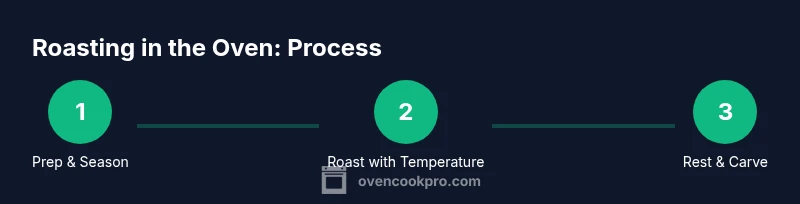
Roasting in the oven is a reliable, hands-on method to transform a cut of meat into a tender, flavorful centerpiece. You’ll learn to select the right roast, prep with proper seasoning, preheat to the correct temperature, roast with steady heat (convection or conventional), monitor doneness with a thermometer, and rest before carving. This quick path sets you up for juicy, evenly cooked results.
Why Roasting in the Oven Delivers Flavor and Texture
Roasting in the oven relies on steady, dry heat to promote the Maillard reaction, which creates a richly browned crust and complex flavors. Unlike braising or slow stewing, roasting preserves surface crispness while coaxing juices inward. The method is versatile for beef, pork, poultry, and even vegetables that benefit from caramelized edges. Key concepts include choosing the right roast size, seasoning for a flavorful crust, and timing the process so the inside stays moist. Cooking at a moderate, consistent temperature minimizes moisture loss and helps you avoid overcooking the outer layer while the center finishes. For best results, work with good tools (a solid roasting pan and rack) and a reliable meat thermometer to verify doneness rather than guessing by time alone. According to Oven Cook Pro analysis, attention to preheat accuracy and resting dramatically improves juiciness and evenness across most roasts. By following a clear sequence, you’ll achieve predictable outcomes and reduce common pitfalls like dry edges or uneven doneness.
Key concepts for consistent oven roasting
- Dry heat vs. moist heat: Roasting uses dry heat to develop crust and maximize flavor.
- Even heat distribution: A rack lifts the roast, allowing air to circulate and preventing sitting in pooled juices.
- Temperature control: A stable oven temperature helps the meat cook evenly from edge to center.
- Resting: Letting the roast rest preserves juiciness by redistributing juices.
Common pitfalls and how to avoid them
- Overcrowding the pan: Ensure space around the roast for air flow; crowded roasts steam rather than roast.
- Under-seasoning: A generous, even coating of salt and aromatics builds crust and depth.
- Not using a thermometer: Time is a guideline; internal temperature is what matters for doneness.
How to think about doneness without guessing
When roasting, plan to verify doneness with a meat thermometer inserted into the thickest part, away from bone. Different roasts require different targets for doneness, and carryover cooking after you remove the pan is normal. If you’re unsure, aim for a range and let the roast rest; the internal temperature will settle to the desired level. For safety, always consult current USDA guidance and local guidelines for safe cooking temperatures.
Flavor foundations: salts, rubs, and aromatics
A simple salt rub enhances flavor and helps form a crust. Add garlic, thyme, rosemary, pepper, and olive oil as a base, then customize with citrus zest or paprika for color. Do not rush the seasoning; let the salt dissolve and permeate while the roast rests at room temperature for a short period before roasting. This helps ensure a more uniform flavor profile.
Roasting strategies: conventional vs convection and searing
Conventional roasting relies on a stable, even heat source, typically at moderate temperatures. Convection ovens circulate air for faster, more even browning, but may cook some cuts faster, so adjust time accordingly. Searing the roast in a hot pan before oven roasting can create an appealing crust; if you sear, do so briefly and evenly on all sides to avoid uneven browning. The choice between methods depends on your oven, cut, and desired crust.
Monitoring progress: stepwise doneness checks
Start by preheating the oven, then place the roast on a rack. Check early and often after the initial half of the estimated cooking time. Use a reliable thermometer and read at the thickest part, not near fat or bone. Account for carryover cooking by removing the meat when it’s close to the target temperature, since residual heat will finish the job during resting.
Resting, carving, and serving
Resting is essential; tent the roast loosely with foil for 10–20 minutes to allow juices to redistribute. Carve across the grain for tenderness, and slice evenly for consistent portions. Serve with pan juices or a light sauce to complement the crust and moisture inside the meat. These finishing steps ensure each slice remains juicy and flavorful.
Tools & Materials
- Roasting pan with rack(Allows air circulation and browning on all sides)
- Meat thermometer (instant-read or leave-in)(Essential for doneness; check thickest part away from bone)
- Oven(Preheat to target range before roasting)
- Carving knife and cutting board(Safer, cleaner slices after resting)
- Salt and pepper (and aromatics like garlic, herbs, citrus zest)(Base flavor and crust formation)
- Aluminum foil or a tent for resting(Helps retain heat while juices redistribute)
- Tongs or a carving fork(For safe handling during resting and carving)
Steps
Estimated time: 60-120 minutes depending on roast type and size, plus 10–20 minutes resting
- 1
Gather and inspect the roast
Choose the right cut for your occasion and ensure there is some marbling for juiciness. Remove excess moisture with a paper towel and pat dry; this helps form a crust. Season generously with salt and your chosen aromatics.
Tip: Dry surfaces lead to better crust formation; don’t skip drying. - 2
Bring roast to room temperature
Let the roast sit uncovered for 30–60 minutes to promote even cooking. This reduces the temperature shock when it enters the hot oven and improves interior doneness.
Tip: Room-temperature meat cooks more evenly; plan this step to align with your oven preheat. - 3
Preheat the oven
Preheat to the recommended temperature range for your roast and method (conventional or convection). If using convection, reduce time or temperature slightly to prevent over-browning.
Tip: Avoid putting a cold roast into a screaming-hot oven; gradual heat yields better texture. - 4
Optional sear for crust
Sear the roast in a hot pan on all sides for a few minutes to develop a robust crust before transferring to the oven.
Tip: Searing is optional; skip if you prefer a gentler crust or are watching time closely. - 5
Roast with rack elevated
Place the roast on a rack in the pan so air can circulate around all sides. Insert the thermometer into the thickest part without touching bone.
Tip: Raising the roast prevents it from stewing in its juices and promotes even browning. - 6
Monitor and adjust
Keep an eye on the thermometer and oven. If the crust browns too quickly, tent with foil. If it’s browning too slowly, raise the oven rack or increase heat slightly per your method.
Tip: Carryover cooking will finish the roast after removal; plan to remove slightly before the target temperature. - 7
Rest, carve, and serve
Tent loosely with foil for 10–20 minutes, then carve across the grain for tenderness. Serve with pan juices or a light sauce.
Tip: Resting time is critical for juices to redistribute and keep slices moist.
Questions & Answers
What cuts are best for oven roasting?
Popular choices include beef roasts (like rib or chuck), pork loin, whole chickens, and turkey breast. Selection depends on the desired flavor, budget, and preferred doneness. Always trim excess fat for even rendering and consider marbling forjuiciness.
Beef roasts like rib or chuck, pork loin, and whole poultry are great choices for oven roasting. Choose based on flavor, budget, and preferred doneness, and trim excess fat for even browning.
Should I use convection for roasting?
Convection speeds browning and reduces overall cooking time, but it can overcook delicate cuts if not monitored. If you prefer, roast conventionally at a slightly lower temperature or for a longer period.
Convection browns faster and can cut cooking time, but adjust or switch to conventional roasting if you’re working with delicate cuts.
How do I know when a roast is done without overcooking?
Rely on a meat thermometer and target doneness ranges rather than time alone. Remove the roast when it’s close to the target temperature and let carryover heat finish the job during resting.
Use a meat thermometer and remove the roast slightly before the target temperature, then rest to finish cooking.
Can I roast vegetables with the meat?
Yes. Add root vegetables around the roast with similar cooking times, or start with vegetables that need less time and finish together. Make sure there’s space for air flow to avoid steaming.
Roast vegetables alongside the meat with similar timing and space for air to circulate.
What about brining or marinades?
Brining can improve juiciness for lean cuts, while marinades add flavor. Apply salt early and avoid overly salty brines. Pat dry before roasting for a better crust.
Brining or marinating can boost juiciness and flavor; keep salt in check and dry well before roasting.
Watch Video
Main Points
- Choose the right roast size for your crowd and goal.
- Season well and let the meat rest at room temperature briefly.
- Use a thermometer to guide doneness and prevent overcooking.
- Rest meat to redistribute juices before carving.
- Convection can speed up browning; adjust times accordingly.