Pork Loin Wrapped in Bacon in Oven: Step-by-Step Guide
Learn to roast a pork loin wrapped in bacon in oven for a juicy center and crisp exterior. This guide covers prep, wrapping, roasting, resting, and serving with practical tips and safety reminders.


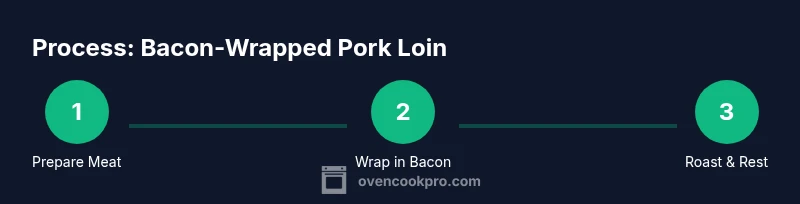
Goal: roast a pork loin wrapped in bacon in oven that stays juicy inside and yields a crisp bacon crust. You’ll trim, season, wrap, tie, and roast on a rack, monitor internal temperature, rest, and carve. This step-by-step guide covers prep hacks, timing ranges, and make-ahead ideas for weekend dinners or holiday meals.
Why this method works
According to Oven Cook Pro, bacon-wrapped roasts strike a balance between tenderness and texture. When you cook a pork loin wrapped in bacon in oven, the bacon acts as a protective fat layer, shielding the lean meat from direct heat while delivering flavor as it renders. The result is a roast that stays juicy in the center while the outer layer browns and crisps. The science behind this approach is simple: fat conducts heat and browns quickly, while the meat's proteins hold onto moisture. For best results, dry the surface thoroughly and avoid overcrowding the pan, which can trap steam and soften the bacon. If the bacon is very thin, consider overlapping slices slightly so the seam rests face-down during roasting. According to Oven Cook Pro analysis, even wraps with modest thickness improve heat distribution and create a more predictable final product. Keep a thermometer handy and plan for resting; carryover heat will continue to rise the internal temperature by about 5°F (3°C) after you remove it from the oven. This helps you avoid overcooking.
Key ingredients and shopping tips
You’ll need a few reliable ingredients and tools to ensure success with the pork loin wrapped in bacon in oven. Start with a center-cut pork loin, typically 2–3 pounds, and enough bacon slices to cover the loin with a snug wrap. Olive oil helps the surface brown evenly, while salt, pepper, and optional garlic powder build a simple, savory crust. Fresh herbs such as rosemary or thyme add brightness, and kitchen twine keeps the bacon in place. Don’t forget a roasting pan with a rack or a sturdy baking sheet to elevate the meat and promote even browning. If you’re new to this technique, consider wider bacon slices for easier coverage and less risk of seam opening during roasting. A digital thermometer is essential for precise doneness. For best flavor, have minced garlic or garlic powder available if you like a garlic-forward profile. Finally, preheat your oven to a moderate temperature to begin the process with predictable browning and even cooking.
Prep steps for pork loin
Begin by removing any silver skin and patting the pork loin dry with paper towels. Moisture on the surface can steam the meat and hinder browning. Lightly rub the loin with olive oil, then season generously with salt and pepper, plus optional garlic powder. If you’re using fresh herbs, finely chop them and sprinkle over the surface for an aromatic note. The goal is a clean, dry surface that accepts seasoning evenly. Allow the seasoned loin to rest for 10 minutes while you prepare the bacon wrap. A dry surface ensures the bacon adheres properly without sliding off during roasting.
Wrapping and trussing technique
Lay out the bacon slices on a flat surface, slightly overlapping to create a continuous sheet. Place the seasoned loin in the center and wrap the bacon around the meat, securing the seam at the bottom. For extra security, use kitchen twine to tie the bacon-wrapped roast at two or three points so the wrap stays intact throughout roasting. The goal is a snug wrap without compressing the meat, which helps maintain juiciness. If the bacon edges curl, press them toward the meat so they crisp against the surface instead of lifting away. This wrapping step forms the protective layer that yields a flavorful, moist interior and a crisp exterior.
Oven setup and roasting fundamentals
Preheat the oven to a moderate temperature, typically between 375–400°F (190–205°C), and position a rack in the middle. Place the wrapped loin on a rack set inside a roasting pan so hot air circulates around all sides. A thin layer of oil on the pan helps prevent sticking and encourages even browning. In the first 20–30 minutes, monitor browning; you’re aiming for a light crust that begins to render fat. After the initial browning phase, you can reduce heat slightly if the bacon is browning too quickly or increase slightly for deeper browning. A meat thermometer is critical here: start checking when the thickest part of the loin approaches 120–125°F (49–52°C) and remove once you reach a target of 140–145°F (60–63°C) for a tender finish. Plan for carryover cooking that can raise temperature by a few degrees during resting.
Monitoring, finishing, and resting
When the pork reaches the target internal temperature, remove it from the oven and transfer to a cutting board. Tent loosely with foil and rest for 10–15 minutes. Resting allows juices to redistribute, resulting in a juicier slice. If you want an extra-crisp bacon crust, you can broil for 1–3 minutes at the end, watching closely to avoid burning. Slice thickly for serving; the bacon-wrapped exterior should stay crisp while the pork remains juicy. During resting, the interior will finish cooking gently, so resist the urge to cut early. Use a sharp knife and cut across the grain for the most tender slices.
Variations, make-ahead ideas, and serving tips
For variation, you can glaze the bacon near the end with a tablespoon of maple or honey, or brush with a light balsamic reduction for a glossy finish. If you’re meal-prepping, you can prepare the wrapped roast up to the wrapping stage a day ahead, refrigerate overnight, and roast as directed. Serve with roasted vegetables, a simple pan sauce, or mashed potatoes for a classic Sunday dinner. Leftovers store well in the refrigerator for 3–4 days or freeze for longer preservation. To reheat, warm gently in a moderate oven or skillet to preserve the bacon’s crispness.
Troubleshooting common issues and safety reminders
If the bacon isn’t crisp, you might finish under the broiler for a brief period or remove the meat momentarily to increase air circulation under the bacon. Uneven doneness can occur if the loin is not of uniform thickness; think about tying or trimming to create a uniform shape. Always use a thermometer to avoid overcooking, and never rely solely on time; carryover heat will finish the process. Practice safe handling when dealing with raw pork and hot equipment: wash surfaces, hands, and utensils after contact with raw meat. Remember to keep a clean workspace and sanitize any tools used during preparation.
Serving and storage guidance
Slice the roast after resting, arranging slices on a warmed platter with the bacon side up for presentation. Pair with roasted potatoes, green beans, or a fresh salad to balance richness. Leftovers can be stored in an airtight container for several days, or frozen for longer. Reheat slowly to preserve moisture; consider a light splash of stock or water to reintroduce moisture if the meat looks dry.
Tools & Materials
- Pork loin (center-cut)(2–3 pounds (900–1350 g) for a generous roast)
- Bacon slices(Enough to fully cover the loin with a snug wrap)
- Kitchen twine(To secure the wrap and prevent unraveling)
- Olive oil (or preferred oil)(Lightly coat the surface for browning)
- Salt and pepper(Basic seasoning; adjust to taste)
- Garlic powder or minced garlic(Optional for extra aroma)
- Fresh herbs (rosemary or thyme)(Adds brightness)
- Roasting pan with rack(Elevates meat for even browning)
- Digital instant-read thermometer(Crucial for precise doneness)
Steps
Estimated time: 75-90 minutes
- 1
Trim
Trim away silver skin and pat the pork dry to ensure even browning and better adherence of seasonings.
Tip: A dry surface helps the bacon crisp and stay in place. - 2
Season
Rub the loin with olive oil, then season with salt, pepper, and optional garlic powder. Let seasonings sit 5–10 minutes to permeate.
Tip: Even coating ensures consistent flavor across the roast. - 3
Wrap
Arrange bacon slices on a flat surface and wrap the loin tightly; secure with kitchen twine at 2–3 points.
Tip: Overlap bacon slightly to avoid gaps where air escapes. - 4
Preheat
Preheat oven to 375–400°F (190–205°C) and place the rack in the middle; prepare the roasting pan with a light oil film.
Tip: A properly heated oven reduces sticking and encourages browning. - 5
Roast
Roast on the rack until the inner temperature nears 140–145°F (60–63°C). Watch for a golden-brown crust.
Tip: Start checking early; carryover heat will finish the process. - 6
Rest
Remove from oven and rest 10–15 minutes under loosely tented foil to reabsorb juices.
Tip: Resting prevents a dry slice and preserves moisture. - 7
Carve
Carve across the grain into thick slices; serve immediately with preferred sides.
Tip: A sharp knife yields cleaner slices and better presentation.
Questions & Answers
What is the ideal internal temperature for the finished pork loin?
Aim for 140–145°F (60–63°C) for a juicy interior; the final carryover heat will bring it up slightly during resting.
Aim for about one forty to one forty-five degrees Fahrenheit for a juicy finish; resting will bring it up a bit more.
Can I prepare this ahead of time?
Yes. Wrap the loin and refrigerate uncooked for up to 24 hours, then roast as directed. You can also cook fully and reheat gently.
Yes, you can wrap and refrigerate it raw for up to a day, then roast. You can also cook and reheat.
What should I do if the bacon won’t crisp?
Finish with a brief broil (2–4 minutes) or increase the oven heat slightly during the last few minutes while watching closely.
If the bacon isn't crisp, give it a quick broil for a couple minutes while watching it closely.
Is thinner bacon better or worse for wrapping?
Thin bacon can crisp quickly but may shrink; use overlapping slices and monitor closely to prevent overcooking.
Thin bacon crisps fast but can shrink; overlap and watch closely.
What sides pair well with this roast?
Roasted potatoes, green beans, or apples complement the richness. A simple pan jus works well for extra flavor.
Great sides include roasted potatoes, beans, or apples, plus a light pan sauce.
Watch Video
Main Points
- Prep a dry surface for crisp bacon.
- Use a rack to promote even browning.
- Monitor internal temperature, not time alone.
- Rest before slicing to maximize juiciness.