Oven Roasted Cherry Tomatoes: Step-by-Step Guide
Master making oven roasted cherry tomatoes with a reliable, step-by-step approach. Learn selection, seasoning, roasting temps, serving ideas, and storage for vibrant, sweet results.


In this guide, you’ll learn how to transform simple cherry tomatoes into caramelized, jammy bites using a hot oven, minimal ingredients, and a crisp, even roast. You’ll master prep, temperature, timing, and serving ideas so your oven roasted cherry tomatoes elevate pastas, salads, and crostini. Expect reliable steps, practical tips, and tasty variations.
What makes oven roasted cherry tomatoes special
Oven roasted cherry tomatoes deliver a balance of bright acidity and deep sweetness that’s hard to beat. When exposed to steady heat, their natural sugars caramelize, the skins blister lightly, and the flesh concentrates into a luscious, jammy center. This method shines because it works with common pantry ingredients and scales from a small batch for a weeknight pasta to a generously roasted tray for gatherings. According to Oven Cook Pro, these tiny tomatoes truly shine when roasted with a simple few ingredients and lay a flavorful foundation for many dishes. Their compact size means heat penetrates quickly, producing consistent texture without drying out. You can enjoy them warm or at room temperature, and they pair beautifully with herbs, citrus zest, garlic, or a drizzle of balsamic reduction.
Whether you’re preparing a quick side dish, a pasta topper, or a vibrant salad component, the signals of a successful roast are blistered skins, concentrated aroma, and a bright, concentrated tomato flavor. This guide emphasizes reliable steps, precise timing, and practical flavor boosters to help home cooks achieve consistent results every time. The technique scales up for larger batches, making it a staple in meal prep or entertaining.
Tip: Parchment paper helps with cleanup and promotes even browning by preventing sticking. A single layer on the sheet pan is key to blistering without steaming.
Choosing the right tomatoes
The star is cherry tomatoes or small grape tomatoes, which roast quickly and uniformly. Look for fruit that is bright and glossy, with firm skins and no soft spots or wrinkles. If you can, select uniformly sized fruits so every tomato receives similar heat exposure. Ripe tomatoes provide the best flavor, but slightly under-ripe fruit can still yield a delightful roast with a touch more acidity. Rinse quickly and pat dry; surface moisture can steam rather than roast, so thorough drying matters. When you’re aiming for consistent results, consider using a tray with a single layer and plenty of space between tomatoes to allow air to circulate. A tray that’s overcrowded leads to uneven browning and may trap moisture.
Flavor boosters and seasonings
While the tomatoes themselves carry sweetness, a light coating of olive oil helps with browning and yields a glossy finish. Sea salt, freshly ground black pepper, and optional garlic provide depth without overpowering the fruit’s inherent brightness. Fresh herbs like basil, parsley, or thyme added after roasting brighten the dish. A pinch of red pepper flakes offers a subtle kick for those who like a little heat. For a touch of complexity, a tiny splash of balsamic or lemon zest can lift the overall flavor. The goal is to enhance the tomato’s natural sweetness rather than cover it, so start with modest amounts and adjust to taste as the tomatoes roast.
Temperature and timing guidelines
Roasting temperatures around 375–425°F (190–220°C) yield the best balance of speed and caramelization. A hotter oven (about 425°F/220°C) creates a brisk blister without drying out the fruit, while a cooler setting (around 375°F/190°C) gives a gentler roast that preserves juiciness. In general, target 15–25 minutes depending on tomato size and your oven’s performance. Shake or stir the pan once or twice to promote even browning. If you notice heavy moisture pockets, give the tray a gentle swirl to help the tomatoes dry slightly and roasts more evenly. The aim is blistered skins with juicy centers, not mush.
Prepping and roasting technique
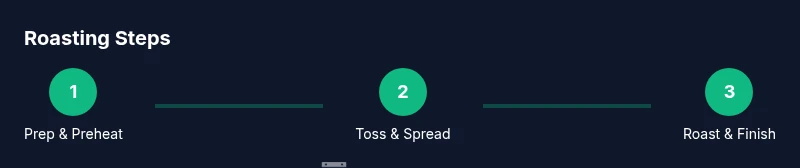
Dry tomatoes well before coating with oil to minimize steaming. Toss halved tomatoes with a tablespoon or two of olive oil, a pinch of salt, and pepper in a large bowl. Spread tomatoes in a single layer on a parchment-lined baking sheet, cut side up for more browning or skin side up if you want less caramelization. Roast on the middle rack for even heat; avoid overcrowding by using multiple pans if needed. Halfway through, give the sheet a gentle shake or flip some tomatoes to ensure uniform color and texture. Remove when the edges blister and the centers are tender but not mushy.
How to use roasted tomatoes: serving ideas
Once roasted, you can serve these tomatoes warm over pale pasta, spoon them onto crusty bread with a sprinkle of cheese, fold them into warm grain bowls, or toss with fresh greens for a bright salad. Their juiciness makes them an excellent base for sauces, as a topping for grilled fish or chicken, or mixed into shakshuka for a sunny twist. Because they’re already developed in flavor, they require minimal finishing touches—just a drizzle of olive oil, a squeeze of lemon, or a fresh handful of herbs. You can also refrigerate roasted tomatoes for quick weeknight meals and reheat gently in a skillet with a splash of olive oil.
Storage, reheating, and shelf life
Roasted cherry tomatoes keep well when stored properly. Cool completely, then transfer to an airtight container or a jar with a tight seal. In the fridge, they’ll stay fresh for up to 3–4 days. Reheat gently on the stovetop with a touch of oil or rewarm in a skillet to restore their gloss. For longer storage, roasted tomatoes freeze surprisingly well and can be added directly to pasta sauces or grains after thawing. When freezing, spread the tomatoes on a tray to freeze individually, then transfer to a freezer-safe bag to avoid clumping.
Troubleshooting common issues
Common roasts issue blistering unevenly or some tomatoes turning mushy. Overcrowding and excess moisture cause steaming rather than browning; ensure a single layer with space around each tomato. If skins split, it’s often because of very ripe fruit or high heat; reduce oven temperature slightly or remove any overly soft fruit before roasting. If you’re not achieving that deep roast color, extend the roast by 3–5 minutes, but monitor closely in the final minutes to prevent drying out. Fresh herbs added after roasting brighten the final dish and shouldn’t be exposed to excessive heat for long.
Health and nutrition considerations
Tomatoes are a good source of vitamins C and K, potassium, and fiber. Roasting preserves most nutrients while concentrating flavor, and a small amount of olive oil helps with fat-soluble vitamin absorption. This technique aligns with a balanced diet, offering a flavorful vegetable option that can be a base for plant-forward meals. Remember that added salt should be measured to avoid excessive sodium, especially if you’re serving this as part of a larger dish with other salty components. Moderation and mindful oil pairing keep the dish healthy without sacrificing taste.
Recipe variations to try
Experiment with variations to tailor the dish to different meals. Try roasting cherry tomatoes with small garlic cloves and a few sprigs of thyme for a garlicky, herb-forward finish. For a Mediterranean twist, add olives and a drizzle of lemon juice after roasting. If you prefer a sweeter profile, a light balsamic glaze added at the end can perfume the dish with a sticky gloss. You can also blend roasted tomatoes into a quick sauce for pastas or pizza bases. The core technique remains the same: even heat, single-layer pan, and careful timing to achieve blistered skins and juicy centers.
Pro tips for perfect results
- Use parchment paper for easier cleanup and predictable browning. - Keep tomatoes dry before roasting to avoid steaming. - Roast in a single layer with ample space to promote even color. - Taste and adjust salt at the end to preserve the tomato’s natural brightness. - Don’t fear a little blistering; it adds texture and caramel depth. - For a stronger flavor, finish with fresh herbs right before serving.
Getting the most from leftovers
Leftover oven roasted cherry tomatoes are incredibly versatile. Reheat them gently in a skillet or add them straight to hot pasta, rice bowls, or eggs for a quick, bright enhancement. If you’re not using them within a few days, freeze in a single layer on a tray first, then transfer to a bag so you can portion out small amounts as needed. Try combining roasted tomatoes with feta or goat cheese for an easy crostini topping or mixing into a frittata for a quick brunch option.
Tools & Materials
- baking sheet (rimmed)(12x17 inches recommended for even roasting)
- parchment paper or silicone mat(Line the sheet for easy cleanup and browning)
- large mixing bowl(For tossing tomatoes with oil and seasonings)
- olive oil (extra-virgin preferred)(About 1–2 tablespoons for 2 pints of tomatoes)
- salt and pepper(To taste; start with ½ teaspoon salt for every 2 pints tomatoes)
- garlic (optional)(Minced or thinly sliced, add if desired)
- fresh herbs (optional)(Basil, parsley, or thyme for finishing)
Steps
Estimated time: 25-35 minutes
- 1
Preheat and prep
Preheat your oven to 400°F (200°C). Line a baking sheet with parchment paper. Dry the cherry tomatoes thoroughly after washing to maximize browning. A hot oven early in the process begins the caramelization that defines this dish.
Tip: Preheating ensures even heat distribution from the first minute of roasting. - 2
Prepare the tomatoes
Rinse and dry the tomatoes. If they are larger than grapes, halve them to keep roasting times uniform. Patted dry tomatoes roast more evenly and blister better than wet ones.
Tip: Uniform size helps all tomatoes roast at the same rate. - 3
Oil and season
Toss the tomatoes in a bowl with olive oil, salt, and pepper. If using garlic, add minced cloves now. The oil should lightly coat all surfaces without pooling.
Tip: Too much oil can cause steaming; a light, even coat is best. - 4
Spread in a single layer
Arrange the tomatoes on the lined sheet in a single layer, cut side up if using halves. Avoid overlapping to ensure blistering occurs on each piece.
Tip: Crowding prevents browning and creates soggy bottoms. - 5
Roast and monitor
Roast 15–25 minutes, depending on tomato size and oven performance. Shake the pan or turn some tomatoes halfway to promote even browning.
Tip: Watch during the last 5 minutes to prevent burning if your oven runs hot. - 6
Finish and serve
Remove from the oven when skins blister and centers are tender. Finish with fresh herbs or a light drizzle of balsamic if desired.
Tip: Herbs added after roasting preserve brightness and aroma. - 7
Store leftovers
Cool completely and store in an airtight container in the fridge for 3–4 days, or freeze for longer storage. Reheat gently before serving.
Tip: Label containers with date to track freshness.
Questions & Answers
Can I use larger cherry tomatoes or grape tomatoes interchangeably?
Yes. Halve larger cherry tomatoes so they roast at a similar rate as smaller ones. If you use all small grape tomatoes, you can roast them whole for a juicier bite. The goal is uniform size for even browning and consistent texture.
You can mix sizes, but halve bigger ones so they roast evenly.
Should I cut tomatoes in half or roast whole?
Halving larger tomatoes helps the flavor penetrate and creates more blistered surfaces. Smaller cherry or grape tomatoes can be roasted whole. Adjust timing if you switch between whole and halved portions.
Cut halved for bigger tomatoes; smaller ones can stay whole.
What if some tomatoes burst during roasting?
Bursting is common with ripe fruit. It’s typically harmless and results in a softer texture. If you want to minimize bursting, roast at slightly lower heat or reduce roasting time and use a wide, shallow pan.
Some bursting is normal and mostly affects texture, not safety.
Can I roast with other vegetables?
Yes. Cut other vegetables into similar sizes and roast on a separate sheet or at a lower temperature so everything cooks evenly. Start with the tomatoes, then add veggies that take longer to cook.
Absolutely—roast tomatoes with compatible veggies for a full tray.
How long do roasted tomatoes last and how should I store them?
Store roasted cherry tomatoes in the fridge for 3–4 days in an airtight container. You can freeze them for longer storage, but texture may change slightly after thawing.
Roasted tomatoes last a few days in the fridge, or you can freeze them.
Can I freeze roasted cherry tomatoes?
Yes. Freeze in a single layer on a trays, then transfer to a freezer bag. They’re great for sauces and quick meals, though texture may soften after freezing.
You can freeze them, great for quick sauces later on.
Watch Video
Main Points
- Roast tomatoes in a single layer for even browning
- Aim for blistered skins and juicy centers
- Finish with fresh herbs to brighten flavor
- Store leftovers properly or freeze for later use
- Use variations to match meals and seasons