Roast Tomatoes in the Oven: A Step-by-Step Guide
Master roasting tomatoes in the oven to intensify sweetness and depth. This step-by-step guide covers tomato selection, prep, temperatures, and storage tips for peak flavor.


Roast tomatoes in the oven to deepen sweetness and create a silky, concentrated flavor that shines in sauces, pastas, or as a topping. You’ll need ripe tomatoes, olive oil, salt, pepper, and a parchment-lined sheet pan. Preheat to about 425°F and roast until blistered and lightly charred at the edges.
Why Roast Tomatoes in the Oven
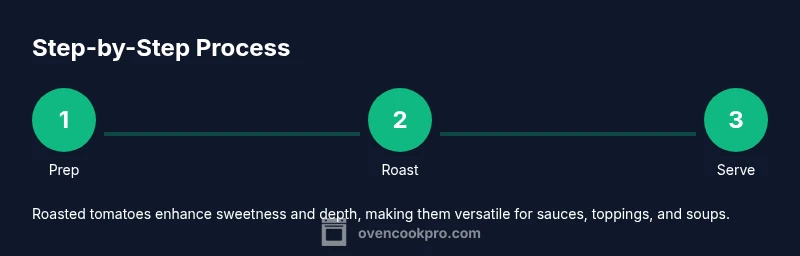
Roasting tomatoes in the oven is a simple technique that unlocks deep, caramelized sweetness. According to Oven Cook Pro, heat concentrates their natural sugars while preserving bright acidity, producing a tomato that tastes richer than raw or simmered variants. The oven’s dry heat draws out moisture slowly, creating a concentrated, jammy texture with just enough bite. This method works across varieties—from tiny cherry tomatoes to meaty Roma or vine-ripened options—so you can tailor sweetness and acidity to your dish.
When used on purpose, roasted tomatoes add a vibrant, umami-rich foundation to sauces, soups, and toppings. The aroma alone tells you something special is happening: the sugars are caramelizing, the skin blistering just enough to add texture, and the flesh softening into a spoonable, glossy result. For home cooks, the versatility is the key: you can blend them into a silky sauce, dice them into pasta, or spoon them over grilled bread as a rustic topping.
Choosing the Right Tomatoes
Different tomato varieties roast best for different outcomes. For a bright, juicy result, use plum varieties like Roma or San Marzano; their structure holds up to roasting and reduces excessive moisture. If you want intensely sweet, almost jammy tomatoes, cherry or grape tomatoes are excellent because their small size caramelizes quickly and evenly. Let them come to room temperature before roasting to promote uniform cooking. For a deeper, smoky profile, mix a handful of heirloom tomatoes with a high-acid variety. Regardless of variety, aim for tomatoes that are ripe but not overripe, with vibrant color and minimal blemishes. The goal is flavor that bursts with sweetness when roasted, not a mealy texture from underripe fruit.
Prep and Seasoning Ideas
Prep is minimal but impactful. Rinse tomatoes gently and pat dry, then cut larger tomatoes into uniform pieces so they roast evenly. For whole cherry or grape tomatoes, you can roast them whole if you prefer a burst of juice; otherwise, halve larger pieces to expose more surface for caramelization. Toss with a light coating of olive oil to help with browning, then season with salt, pepper, and a touch of garlic powder or crushed garlic if you like. Fresh herbs such as thyme, oregano, or a pinch of red pepper flakes can brighten the finished dish. A drizzle of balsamic or a splash of lemon juice added after roasting can lift brightness without overpowering the tomato's natural sweetness.
Oven Setup and Temperature Guidelines
Preheat your oven to 425°F (220°C) for a balanced roast that yields blistered skin and concentrated flesh. If you have a convection oven, you can reduce the temperature by about 25°F (15°C) or shorten the time slightly, as circulating air promotes even browning. Line a rimmed baking sheet with parchment paper or a silicone mat to prevent sticking and ease cleanup. Place the tomatoes on a single layer, giving each piece some space—crowding leads to steaming rather than roasting. Arrange garlic cloves or herb sprigs around the tomatoes if you’re using aromatics. Keep the sheet on the middle rack for even heat distribution.
Roasting Techniques for Different Results
For a quick, bright roast, aim for 15–20 minutes at 425°F, then broil for 1–2 minutes to add extra char. If you’re after deeper caramelization and a richer sauce base, extend the roast to 25–35 minutes, flipping once halfway. Smaller tomatoes will blacken and soften faster, while larger chunks may stay a touch firmer. If you’re roasting a mix of sizes, remove the ready pieces first and give the rest a few extra minutes. Consider finishing under the broiler for a few seconds to achieve crisp edges without burning.
Flavor Boosters and Variations
Experiment with seasonings to tailor the flavor for your dish. Toss tomatoes with olive oil, kosher salt, coarse pepper, and minced garlic. Add herbs like thyme, oregano, or basil during the last 5 minutes of roasting for fresh brightness. A splash of balsamic vinegar or a tiny drizzle of honey can enhance sweetness and balance acidity. For a smoky note, finish with a pinch of smoked paprika. If you love heat, sprinkle red pepper flakes or a tiny dab of chili paste just before serving. Roasted tomatoes also pair well with Parmesan or goat cheese for a savory, tangy finish.
Storage, Reheating, and Using Leftovers
Let roasted tomatoes cool completely before transferring to an airtight container. In the fridge, they’ll keep for 3–5 days, and they freeze well for longer storage. To reheat, gently warm in a skillet on low heat or reheat in the oven covered with foil to preserve moisture. Roasted tomatoes are versatile: blend into a smooth sauce, stir into soups, fold into pasta, spoon over bruschetta, or use as a savory topping for roasted chicken or fish. If you’ve roasted a mix of sizes, you can sort the pieces by size to guide your next use—smaller bits for sauces, larger hunks for toppings.
Troubleshooting Common Issues
If your tomatoes are bitter or underwhelming, you may have started with under-ripe fruit or roasted too briefly. Try riper fruit and lengthen the roast by 5–10 minutes, watching closely to prevent burning. Overcrowding leads to steaming instead of roasting, so ensure a single layer with space between pieces. If you notice excessive moisture, pat the surface with a paper towel before adding oil and seasonings; a lighter coating helps ensure better browning. Burnt edges can occur if you use too high heat or leave the pan under the broiler too long—keep a close eye and remove when the skins blister and the flesh is tender.
Using Roasted Tomatoes in Dishes
Roasted tomatoes shine in many applications. Blend them into tomato sauce for pasta, fold them into soups for depth, or spoon them over toasted bread with a sprinkle of cheese for a rustic bruschetta. They also make a marvelous base for shakshuka or as a topping for grilled meats. For a quick pantry meal, sauté garlic in olive oil, add roasted tomatoes, toss with pasta water, and finish with fresh herbs. The concentrated flavor of roasted tomatoes means you can use fewer ingredients while achieving a richer taste.
Security, Clean-Up, and Efficiency Tips
Let hot trays cool on a rack; never attempt to move a sheet full of hot tomatoes directly from oven to counter to avoid burns. Line pans with parchment to reduce sticking and simplify cleanup. If you have leftovers, portion them for quick weeknight meals and freeze in small containers to preserve flavor. When preheating, start with the oven at a stable temperature to minimize energy use and ensure consistent browning across batches.
Tools & Materials
- Baking sheet (rimmed)(A 15x10-inch sheet works well for even roasting)
- Parchment paper or silicone mat(Prevents sticking and makes cleanup easy)
- Sharp chef's knife(For clean, even cuts)
- Cutting board(Sturdy surface for prep)
- Mixing bowl(Coat tomatoes evenly with oil and seasonings)
- Measuring spoons(For precise salt/seasoning measurements)
- Olive oil (extra virgin)(Light coating is enough—avoid excess oil)
- Salt and freshly ground black pepper(Season to taste)
- Garlic cloves (optional)(Add for more aroma)
- Fresh herbs (thyme, oregano, basil) optional(Brighten after roasting)
- Airtight container or freezer bags(For storing leftovers)
- Tongs or spatula(Turn tomatoes without breaking pieces)
Steps
Estimated time: 40-60 minutes
- 1
Prepare tomatoes
Rinse tomatoes and pat dry. Trim stems and cut larger pieces into uniform sizes so they roast evenly. If using cherry tomatoes, you can roast whole or halved depending on your preferred texture.
Tip: Uniform size ensures even browning and prevents undercooked centers. - 2
Toss with oil and seasonings
In a mixing bowl, toss all tomatoes with olive oil, salt, pepper, and optional garlic or herbs. Ensure each piece has a light coating for consistent browning.
Tip: A light coating promotes browning without pooling oil on the sheet. - 3
Line sheet and preheat
Line a rimmed baking sheet with parchment paper. Preheat the oven to 425°F (220°C). If using a convection oven, you may reduce the temperature slightly.
Tip: Parchment prevents sticking and makes cleanup effortless. - 4
Roast on a single layer and flip
Spread tomatoes in a single layer with space between pieces. Roast for 15–25 minutes, flipping once halfway through to promote even caramelization.
Tip: Crowding causes steaming, which dulls browning. - 5
Finish and check for doneness
Remove when skins blister and some edges are charred. The flesh should be tender and glossy. If you want deeper color, give them a couple more minutes under supervision.
Tip: Watch closely to avoid burnt edges; timing depends on tomato size. - 6
Cool, store, or use in dishes
Let cool before storing in an airtight container. Use within 3–5 days in the fridge, or freeze for longer storage. Roasted tomatoes can be blended into sauces or used as toppings.
Tip: Portion into meal-sized servings for quick future meals.
Questions & Answers
Should I cut cherry tomatoes in half before roasting?
Halving cherry tomatoes helps them roast evenly and prevents half of the pieces from drying out. If you prefer a burst of juice, you can roast them whole, but expect slightly different texture and cook time.
Halving cherry tomatoes helps even roasting and a juicier bite. If you like more juice, you can roast them whole, just expect a different texture.
Can I roast canned tomatoes in the oven?
Yes, you can roast canned tomatoes, but they behave differently than fresh ones. They are typically juicier and break down more, so plan for shorter roasting times and use them primarily for sauces or toppings.
You can roast canned tomatoes, but they’re juicier and break down more. Great for sauces or toppings, with shorter roasting times.
What temperature is best for roasting tomatoes?
A hot oven around 425°F (220°C) provides quick browning and deep flavor without drying the tomatoes excessively. In convection ovens, you may reduce the temp slightly or shorten the time.
Around 425°F works well for browning and depth. In convection ovens, reduce the temperature a bit.
How long do roasted tomatoes last in the fridge?
Roasted tomatoes keep well for 3–5 days in a sealed container in the refrigerator. For longer storage, freeze in portions suitable for future meals.
They last about 3 to 5 days in the fridge. Freeze for longer storage if needed.
Can I freeze roasted tomatoes?
Yes. Freeze roasted tomatoes in airtight containers or freezer bags in portions you’ll use later. They thaw quickly and work well in sauces, soups, and toppings.
Yes, you can freeze roasted tomatoes in portions for later sauces or toppings.
Watch Video
Main Points
- Roasting enhances tomato sweetness and depth.
- Even pieces ensure uniform browning and texture.
- Proper sheet preparation prevents sticking and saves cleanup time.
- Leftovers store well and unlock versatile uses.