Oven Cook Ham: A Complete Step-by-Step Guide
Master oven-cooked ham with our reliable, step-by-step instructions, temperatures, glaze techniques, and safe handling tips for delicious results.


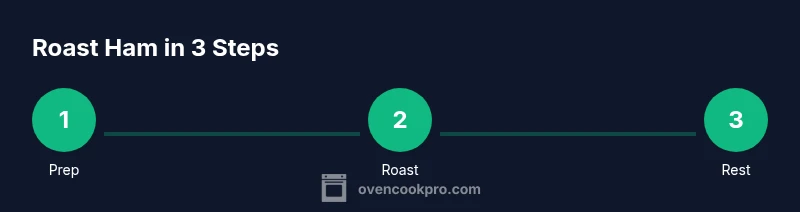
You can oven cook ham to juicy, evenly heated slices by thawing, preheating, scoring fat, roasting at 325°F, glazing near the end, and checking doneness with a thermometer. Rest before carving for maximum moisture. This guide covers bone-in and boneless hams, glaze options, and safe handling to prevent overcooking or undercooking.
The Oven Advantage for Ham
When you bake ham in the oven, you harness a steady, gentle heat that renders fat slowly and promotes an even color across the surface. The oven's dry heat helps create a glossy glaze and a moist, tender interior when done correctly. In this guide, you’ll learn a practical, home-friendly method suitable for bone-in and boneless hams alike. According to Oven Cook Pro Analysis, 2026, consistent results come from starting with a fully thawed roast of even size and using a reliable thermometer to verify doneness rather than relying on time alone. You’ll discover how to select the right ham, prepare it with a glaze, and monitor doneness for safe, delicious slices. By the end, you’ll feel confident cooking ham in your oven for holiday spreads, family meals, or weeknight roasts. The plan accommodates different flavors, from classic brown sugar and honey glazes to savory herb rubs, and it emphasizes safe handling to prevent under- or overcooking. With a little planning, the oven becomes your trusted ally for ham that’s flavorful from edge to center.
Selecting the Right Ham and Prep
Choosing the right ham starts with knowing your cut and size. Bone-in hams tend to stay juicier because the bone helps retain moisture, but boneless hams cook faster and easier to carve. Look for a fully cooked, labeled ham if you want to warm and glaze rather than cure from scratch. Regardless of bone status, aim for a uniform weight and a shape that fits your roasting pan. If your ham is uneven, consider trimming lighter sections so the center portion cooks evenly. Thaw frozen hams in the refrigerator (planning ahead is essential) and pat the surface dry before roasting to promote browning. For glaze options, you can choose a simple mix of brown sugar, honey, and mustard or a fruit-based glaze for a brighter finish. The Oven Cook Pro team suggests documenting the ham’s weight and shape so you can tailor timing and glaze quantity more precisely on future cooks.
Tools, Setup, and Prepping the Ham
Before you start, assemble a few essential tools: a heavy roasting pan with a rack, a sharp carving knife, a digital thermometer, a pastry brush for glazing, kitchen tongs, and a foil tent for guarding against over-browning. Place the rack in the pan so the ham rests above the surface, which allows heat to circulate and keeps the bottom from steaming in its own juices. Remove packaging and any tied strings, then pat the ham dry with paper towels. If you’re applying a glaze, mix it in a small bowl and have a second brush ready for multiple coats. A dry surface helps the glaze adhere and form a nice crust. While prepping, preheat your oven to 325°F (165°C) and set a timer to track both roasting and resting phases. These preparations ensure your ham roasts evenly and browns appealingly.
Preheating and Oven Preparation
Preheating is essential for even heat distribution and reliable results. Set your oven to 325°F (165°C) and allow it to come to temperature before placing the ham inside. If your oven runs hotter on one side, rotate the pan halfway through to maximize uniform browning. Tenting with aluminum foil can prevent excessive browning if you notice the glaze turning too dark too quickly. For fully cooked hams, the goal is to heat through without drying the meat, so avoid high heat that can seize up the texture. If you’re planning to glaze, apply a light first coat early in the roasting, and reserve a glossy finish for the final stage.
Glazing, Scoring, and Flavor Layers
Scoring the fat in a diamond pattern helps the glaze penetrate and yields a visually appealing crust. Use a sharp knife to gently score the fat in ¼- to ½-inch wide diamonds without cutting into the meat. Brush on a glaze of your choice—classic brown sugar and mustard, maple with a touch of soy, or orange-glazed for a bright finish. Apply the glaze in two coats: the first after the ham has begun to heat through, and the second during the final 20–30 minutes to create a glossy, caramelized surface. If you want a deeper color, you can raise the oven temperature slightly in the last few minutes, but monitor closely to avoid scorching. The glaze should cling but not pool; excess sugar can burn quickly.
The Step-by-Step Cooking Timeline
Roasting a ham requires careful timing and temperature checks rather than guesswork. Begin by placing the ham in the prepared pan and skin-side up if applicable. Roast at 325°F (165°C), checking progress with a digital thermometer as it nears the target internal temperature. For fully cooked hams, aim for an internal temperature of 145°F (63°C) in the thickest part of the meat, then allow the ham to rest briefly before serving. If glazing, apply your first coat after 30–45 minutes of roasting; repeat the glaze during the final 15–20 minutes for a more pronounced finish. After removing the ham, tent loosely with foil to rest for 10–15 minutes. Resting helps redistribute moisture and makes slicing easier.
Resting, Carving, and Serving
Resting is a crucial step that preserves juiciness. After removing the ham from the oven, cover loosely with foil and let it rest for 10–15 minutes. Carve against the grain in thin, even slices, which yields tenderness and a clean finish. If you’ve scored the fat, the crust will hold its shape, and you’ll notice a contrast between the glossy glaze and the crispy edges. Slice to the thickness you prefer, arranging portions on a warmed platter. Serve with your favorite sides—roasted vegetables, scalloped potatoes, or a tangy chutney all pair well with oven-roasted ham. Leftovers can be stored properly for 3–4 days in the refrigerator or frozen for longer.
Storing Leftovers Safely and Reheating
Store any remaining ham in shallow, airtight containers to promote rapid cooling. For best quality, refrigerate within two hours of cooking. Reheat using gentle heat, either in the oven at a low temperature (about 325°F) or in the microwave in short bursts until steaming hot. Slice only what you’ll eat to prevent drying out the rest, and refrigerate portions promptly. If you plan to freeze, wrap tightly in plastic and foil to prevent freezer burn. When reheating, aim for an internal temperature of 165°F (74°C) for safety. Proper handling reduces food waste and keeps flavors intact for future meals.
Tools & Materials
- Fully cooked ham (bone-in or boneless)(Choose weight based on servings; typical family roasts are 8–12 lb.)
- Roasting pan with rack(Allows even heat circulation and keeps drippings off the meat.)
- Oven-safe carving knife(Sharp blade for clean slices.)
- Digital meat thermometer(Check internal temp; aim for 145°F (63°C) with rest.)
- Glaze and basting brush(Choose a glaze (sweet or savory) and apply in two coats.)
- Aluminum foil(Tent the ham if browning too fast.)
- Oven mitts(Heat-resistant gloves for safety.)
- Timer or smartphone(Track roasting and resting phases precisely.)
- Parchment paper (optional)(Line pan to ease cleanup.)
- Carving board(Rested juices collect for serving.)
Steps
Estimated time: 2-3 hours total, depending on ham size and oven performance
- 1
Inspect and thaw ham
Remove packaging and any netting; pat the surface dry. If frozen, thaw in the refrigerator for 24–48 hours depending on weight. This ensures even heat distribution and prevents icy pockets that undercook the center.
Tip: Thaw slowly in the fridge for best texture; quick thaw can dry the surface. - 2
Preheat and prepare glaze
Preheat the oven to 325°F (165°C). While it heats, whisk together a simple glaze (e.g., brown sugar, honey, and a touch of mustard) or prepare a glaze of your choice. A good glaze should be viscous enough to cling without running off too quickly.
Tip: Have a brush ready for layering thin coats without drips. - 3
Score the fat
Using a sharp knife, score the fat in a diamond pattern about 1/4 inch deep. This increases surface area for browning and helps the glaze penetrate the fat layer.
Tip: Only cut through fat, not into the meat; otherwise you risk drying the interior. - 4
Position ham in pan
Place the ham on a rack in the roasting pan, skin-side up if applicable. Elevation helps heat circulate around the ham for even browning and prevents the bottom from stewing in its juices.
Tip: If your ham has a thick fatty cap, keep the fat cap exposed to render fat and baste later. - 5
First glaze and start roasting
Brush a light layer of glaze over the scored fat and surface. Roast the ham for about 30–45 minutes to begin developing color and fragrance, then recheck the internal temperature.
Tip: Avoid thick glaze early; heavy sugar can burn before the center cooks. - 6
Second glaze and monitor temperature
Apply a second glaze coat and continue roasting. Use the thermometer to track progress; target an internal temperature of 145°F (63°C) in the thickest part, followed by a brief rest.
Tip: Insert the thermometer into the center of the thickest slice, away from bone or crust. - 7
Tent if browning too fast
If glaze darkens too quickly, tent the ham loosely with foil to prevent burning while the center finishes heating.
Tip: Remove foil in the final minutes if you want extra gloss and browning. - 8
Remove and rest
Take the ham out when it reaches 145°F (63°C) and cover loosely with foil. Rest for 10–15 minutes to redistribute juices for juicy slices.
Tip: Resting is essential; slicing too soon leads to a drier result. - 9
Carve and serve
Slice against the grain to maximize tenderness and arrange on a warmed platter. Serve with sides that complement the glaze (potatoes, greens, chutney, or cranberry sauce).
Tip: Keep slices thin and even for the best texture and presentation. - 10
Storing leftovers
Store leftovers in shallow containers to cool quickly, then refrigerate within two hours. Reheat gently to 165°F (74°C) and enjoy within 3–4 days or freeze for longer storage.
Tip: Label containers with date to keep track of freshness.
Questions & Answers
What is the best oven temperature for ham?
Typically 325°F (165°C) works well for reheating and roasting fully cooked ham; adjust if glaze requires more browning. Use a thermometer to verify doneness rather than relying on time alone.
Set the oven to 325 degrees and check with a thermometer to verify doneness.
How long should I cook ham per pound?
For fully cooked hams, plan roughly 12–15 minutes per pound at 325°F, until the internal temperature reaches 145°F, then rest before slicing.
About 12 to 15 minutes per pound, then rest before slicing.
Should I glaze the ham, and when?
Glaze during the last 20–30 minutes of cooking to avoid burning; apply a second coat if you want extra shine and flavor.
Glaze at the end and watch for browning.
Can I cook a ham from frozen?
No. Thaw completely in the fridge before roasting for even heat and safe doneness. Cooking from frozen often yields uneven results.
Thaw completely before roasting.
How should I rest and slice ham?
Rest the ham for 10–15 minutes after removal from the oven, then slice against the grain for tender portions.
Rest 10 to 15 minutes before slicing.
Watch Video
Main Points
- Preheat the oven to 325°F and trust a thermometer over time estimates
- Score fat and glaze in stages to balance color and flavor
- Rest slices 10–15 minutes before carving for maximum juiciness
- Carve against the grain for tenderness and even portions
- Store leftovers promptly and reheat safely to 165°F