Oven Broccoli: The Ultimate Guide to Perfect Roasted Florets
Master oven broccoli with a complete step-by-step guide to roast crisp, caramelized florets. Learn prep, timing, flavor ideas, and troubleshooting from Oven Cook Pro.


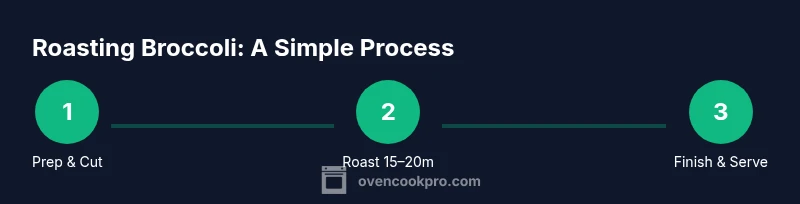
Goal: roast broccoli in the oven until edges are crisp and caramelized. You’ll need florets, olive oil, salt, pepper, and optional garlic or parmesan. Preheat to 425°F, toss florets to coat, and spread in a single layer on a parchment-lined sheet. Roast 15–20 minutes, flip once, then broil 1–2 minutes for extra color.
Why roast broccoli in the oven?
Roasting broccoli in the oven is a reliable way to unlock deep, caramelized flavors and a satisfying crisp texture. The high heat encourages edges to brown while the centers stay tender, creating a pleasing contrast that works as a side dish or a main component in bowls. The technique is simple, forgiving, and scalable for weeknight dinners or batch cooking. According to Oven Cook Pro, achieving evenly browned florets starts with uniform cuts and a hot pan. This guide provides practical steps you can apply tonight, whether you’re new to roasting or you cook regularly. Expect clear timing windows, flavor ideas, and reliable results with oven broccoli that your family will request again.
Choosing the Right Broccoli and Prep
Pick fresh, bright green broccoli heads with tightly closed florets. Look for firm stems, not limp ones. Rinse briefly if needed and pat dry thoroughly—moisture on the surface will steam the florets instead of browning. Cut the head into evenly sized florets, about 1–2 inches each, and trim thick stalks so every piece roasts evenly. Dry florets well after washing to maximize browning. The goal is uniform pieces so they roast at the same rate and finish together.
Preheating, Pans, and Oil
Preheat your oven to 425°F (218°C). Line a sheet pan with parchment paper or a silicone mat to prevent sticking and ease cleanup. Toss broccoli florets with a tablespoon or two of olive oil until they are lightly coated, then season with salt and pepper. Add garlic or lemon zest if you like, but keep oil light to avoid steaming. Spread the florets in a single layer with space between pieces; crowding leads to soggy edges and uneven browning.
The Basic Roast: Timing and Heat
Roasting broccoli at 425°F typically takes 15–20 minutes. Halfway through, flip or shake the pan to promote even browning on all sides. If your florets are small or you want extra color, give them another 1–2 minutes under the heat. When done, the edges should be deeply browned and the centers tender but not mushy. For best browning, avoid pouring excess oil over the pan—light coating is enough for a crisp finish. This approach yields classic oven broccoli with a savory, caramelized bite.
Flavor Boosters and Variations
The beauty of oven broccoli is its versatility. Try minced garlic with a sprinkle of lemon juice, or finish with grated parmesan, red pepper flakes, or a squeeze of lemon. A drizzle of balsamic glaze after roasting adds a touch of sweetness and depth. For a heartier version, toss florets with a little panko before roasting for extra crunch. If you prefer a brighter finish, finish with fresh herbs like parsley or dill and a pinch of flaky salt.
Troubleshooting and Common Mistakes
Common issues include soggy edges, uneven browning, and under-seasoning. To fix sogginess, pat florets completely dry and ensure a single-layer spread on a preheated pan. If browning is slow, increase the oven temperature slightly for the last 2–3 minutes or switch to broil for color—watch closely to prevent burning. Avoid excess oil, which can cause steaming rather than browning. Remember, uniform florets roast more evenly.
Serving Ideas and Storage
Roasted broccoli shines as a side dish for proteins or as a star in grain bowls. Use it as a topping for pasta, toss into warm quinoa salads, or serve with a lemony yogurt dip. Refrigerate leftovers in an airtight container for up to 3–4 days. Reheat gently in a hot oven (not microwave) to restore crisp edges. A quick toss with extra olive oil and a pinch of salt can refresh leftovers.
Safety, Cleanup, and Best Practices
Safety is straightforward here: always use oven mitts when handling hot pans, and place pans on heat-safe surfaces after removing from the oven. Lining the pan with parchment makes cleanup fast and prevents sticking. Let the pan cool before washing; if you notice baked-on bits, soak briefly to loosen them. For the most reliable results, keep florets similar in size, avoid overcrowding, and monitor the broccoli in the last 5 minutes to prevent overcooking. This routine aligns with general kitchen best practices for roasting vegetables.
Authoritative sources and best practices
- USDA food safety guidelines emphasize proper handling and cooking temperatures for vegetables to preserve flavor and nutrition. https://www.usda.gov/
- Harvard’s Nutrition Source provides science-backed guidance on cooking vegetables to retain nutrients and maximize flavor. https://www.hsph.harvard.edu/nutritionsource/
- CDC resources on healthy weight and diet can inform balanced cooking approaches. https://www.cdc.gov/healthyweight/assessing/bmi/index.html
Tools & Materials
- rimmed baking sheet (sheet pan)(Heavy-gauge, 1/4-inch or thicker preferred)
- parchment paper or silicone baking mat(For easy cleanup and browning)
- chef's knife(For cutting broccoli into florets)
- cutting board
- large mixing bowl(To toss florets with oil and seasonings)
- measuring spoons
- spatula or tongs(For turning florets during roasting)
- oven mitts
- garlic press or mincer(Optional)
- parmesan cheese, grated (optional)
- lemon juice or zest (optional)
Steps
Estimated time: 25-30 minutes
- 1
Prepare broccoli and tools
Wash and dry the broccoli thoroughly. Cut into uniform florets, about 1–2 inches each. Gather tools and preheat the oven to 425°F (218°C).
Tip: Uniform florets ensure even browning across the pan. - 2
Preheat and line the pan
Preheat the oven to 425°F and line the sheet pan with parchment paper. This prevents sticking and makes cleanup much easier after roasting.
Tip: Parchment paper is a lightweight barrier that helps browning on the bottom. - 3
Toss with oil and seasonings
In a large bowl, toss the florets with a small amount of olive oil, salt, and pepper. Add optional garlic or lemon zest if desired for extra aroma.
Tip: Use just enough oil to coat; too much oil can lead to soggy edges. - 4
Spread in a single layer
Arrange florets on the parchment-lined pan in a single layer with space between pieces. Crowding causes steaming rather than browning.
Tip: If needed, roast in two batches to maintain airflow. - 5
Roast and flip
Roast 15–20 minutes, then flip the florets to promote even browning on all sides. If you like extra color, continue roasting for 1–2 more minutes.
Tip: Use a spatula or tongs to gently turn without breaking the florets. - 6
Finish and check doneness
Remove when edges are deeply brown and the centers are tender but crisp. If desired, broil 1–2 minutes for extra color, watching closely to avoid burning.
Tip: Test a floret for tenderness; it should yield with a slight bite.
Questions & Answers
Can I roast broccoli with other vegetables at the same time?
Yes, you can roast broccoli with root vegetables or peppers, but choose items with similar cooking times and cut sizes to avoid under- or overcooking. Give extra space on the pan for best browning.
Yes, you can roast broccoli with other vegetables like peppers or carrots, just keep their sizes similar and give space on the pan.
What if my broccoli is soggy after roasting?
Soggy broccoli usually means moisture or crowding. Pat dry, use parchment, spread florets in a single layer, and roast longer at high heat. Avoid covering the pan during roasting.
Soggy broccoli happens when it steams instead of browns; dry well and roast in a single layer.
Can I roast frozen broccoli?
Yes, but expect slightly longer cooking times and extra moisture. Thaw or pat dry thoroughly and roast on a hot sheet pan to help moisture evaporate quickly.
You can roast frozen broccoli, but dry it well and give it a little extra time for browning.
Is parchment paper necessary?
Parchment paper isn’t strictly required but it makes cleanup easy and helps prevent sticking. A light coating of oil on a clean sheet pan also works.
Parchment paper isn’t mandatory, but it makes cleanup a lot easier.
How do I store and reheat roasted broccoli?
Store in an airtight container in the fridge for 3–4 days. Reheat in a hot oven for 5–7 minutes to restore crisp edges rather than microwaving, which can soften texture.
Store in the fridge for 3–4 days and reheat in a hot oven to keep the crisp texture.
What flavor ideas pair well with oven broccoli?
Garlic, lemon zest, and parmesan are classic pairings. For heat lovers, add chili flakes. A drizzle of balsamic glaze or a squeeze of fresh lemon brightens the dish.
Classic pairings are garlic and lemon, with parmesan; chili flakes add heat.
Watch Video
Main Points
- Roast broccoli at 425°F for crisp edges.
- Cut florets uniform in size for even browning.
- Use parchment and spread in a single layer.
- Flip halfway and finish with a quick broil for color.
- Store leftovers cold in the fridge for 3–4 days.