How to Roast Cauliflower in the Oven: A Complete Guide
Learn how to roast cauliflower in the oven with a simple, reliable step-by-step guide. Discover cutting methods, flavor ideas, timing tips, and serving suggestions for perfect caramelization.


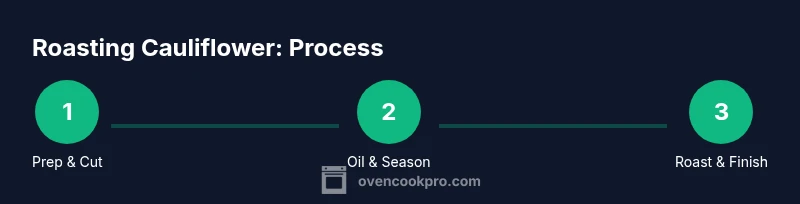
Roasting cauliflower in the oven yields a caramelized, tender side with crisp edges. Start by preheating to 425°F and breaking the head into evenly sized florets (or steaks). Toss with olive oil, salt, pepper, and a few spices, then spread on a parchment-lined sheet and roast 20–25 minutes, flipping once.
Why Cauliflower Roasting in the Oven Delivers Flavor and Texture
Roasting cauliflower in the oven unlocks flavors that other cooking methods struggle to achieve. The high, dry heat drives Maillard browning on the surface while the interior becomes tender, yielding a contrast that tastes rich and bright. Steaming or boiling can soften the vegetable but often leaves it pale and mushy; roasting cultivates caramel notes and a satisfying bite. According to Oven Cook Pro, this method concentrates sweetness and enhances aroma, especially when florets are uniform in size and spaced on the pan to allow air to circulate. The result is a simple, versatile side dish that can stand on its own or pair with bold mains like roasted meats, tangy dressings, or garlicky sauces. When you choose to roast cauliflower in the oven, you control texture through shape, heat, and timing. A thick slice or a halved head yields a different texture than many small florets; planning for these differences from the start keeps you from overcooking some pieces while under-cooking others. In practice, most home cooks reach a satisfying balance by using a single temperature across the tray, avoiding overcrowding, and giving the pan a halfway flip to promote even browning. This approach also scales easily for larger batches or meal-prep.
Cutting Shapes: Florets, Steaks, or a Whole Head
Cauliflower can be roasted in several forms, each delivering a different texture and presentation. Florets (the most common option) offer uniform size and quick, predictable cooking. Cauliflower steaks—thick cross-sections cut from a whole head—provide dramatic slices with a larger surface area for browning but cook a bit differently, often requiring a closer eye to prevent drying. Roasting a whole head is possible, especially when you want a centerpiece dish, but it demands careful slicing and more even heat distribution to avoid an undercooked core. The choice you make should align with your goals: speed and consistency vs. visual impact and a robust bite. Regardless of form, aim for pieces that are similar in size and thickness so heat penetrates evenly. If you’re feeding a crowd or meal-prepping, a mix of florets and steaks can offer variety on the same tray. For best results, ensure each piece can lay flat without stacking, and avoid crowding the pan to keep surfaces dry and caramelized rather than steamed.
Preheat, Tools, and Setup for Even Roasting
Preheating is essential for immediate browning and even cooking. Set your oven to 425°F (218°C) and position a rack in the middle to balance heat exposure from top and bottom elements. Use a large rimmed baking sheet to prevent juices from spilling and to keep pieces from overlapping. Lining the sheet with parchment paper or a silicone mat helps with cleanup and prevents sticking. If you’re using convection, you can drop the temperature by about 25°F (15°C) to prevent excessive browning, but keep an eye on the color. The pan should be roomy enough to keep florets in a single layer with space around each piece. This allows air to circulate freely, creating that desirable crisp edge. Have tongs or a spatula ready for turning halfway through roasting, and keep an oven mitt handy because the sheet pan will be hot. Finally, consider a separate tray if you’re roasting multiple vegetables; this prevents flavor transfer and keeps textures distinct.
The Flavor Foundation: Oils, Seasonings, and Add-Ins
A flavorful roast starts with the right oil and a balance of seasonings. Olive oil is a classic choice for its fruity aroma and moderate smoke point, but avocado oil or grapeseed oil work well too if you crave a higher smoke point. Use enough oil to lightly coat each piece—this is what helps the seasonings cling and promote browning. Simple salt and pepper form the baseline, then layer in garlic powder, smoked paprika, chili flakes, dried herbs (like thyme or oregano), and a splash of lemon juice or zest for brightness. For a richer finish, sprinkle grated parmesan or nutritional yeast just as the cauliflower finishes roasting to add a savory bite. Fresh herbs brighten the dish after roasting, while a drizzle of tangy yogurt or a squeeze of lemon tailors the flavor toward lighter or sharper profiles. If you like a savory crust, consider a light sprinkle of grated pecorino or a dusting of sesame seeds for extra texture.
Roasting Techniques for Different Outcomes
The goal of roasting is to achieve a balance between a deeply browned surface and a tender interior. For ultra-crisp edges, spread florets in a single layer with ample space and roast until the undersides are deeply caramelized, flipping once. If you prefer a softer bite with a more pronounced roasted flavor, reduce the amount of oil slightly and keep the pan a bit more crowded so pieces steam a touch before finishing browning. The thickness of your pieces plays a big role; steaks will take longer than small florets, so plan your timing accordingly. If using a convection setting, check the color a few minutes early to prevent scorching. A final 1–2 minute broil can add a spectacular crust, but monitor closely to avoid burning. Variations like garlic-roasted cauliflower or parmesan crusted florets are easy to compose by adding toppings during the last 5 minutes of roasting. Remember: the best roast is one where each piece is evenly colored, dry on the surface, and tender inside.
Troubleshooting Doneness and Doneness Signals
Doneness can vary with oven calibration and piece size. Visually, you want a deep golden color on the edges and a tender inner bite when pierced with a fork. If the centers remain hard, give the tray a stir or flip and continue roasting in 3–5 minute intervals. Soggy or soggy-looking cauliflower usually means overcrowding, insufficient air circulation, or too much oil; the remedy is more space, a hotter oven for a shorter period, and a light wipe of the pan before returning to heat. For a nutty aroma and extra crispiness, finish under a quick broil for 1–2 minutes while watching carefully. If you’re worried about dryness, drizzle a touch more oil or a splash of stock toward the end of cooking; however, avoid puddling or soaking the pieces. Finally, allow the roasted cauliflower to rest 3–5 minutes off the heat before serving to let the juices redistribute and the surface to crisp up slightly.
Serving Ideas, Storage, and Leftovers
Roasted cauliflower shines as a standalone side or as a component of bowls, salads, and grain dishes. Toss warm roasted florets with a squeeze of lemon, fresh herbs like parsley or cilantro, and a dusting of pepper. Pair with tahini sauce, garlic yogurt, or a bright chimichurri to highlight contrasting flavors. For a meal-prep option, divide into portions and refrigerate in an airtight container for up to four days. Reheat in a hot oven (or toaster oven) for 5–7 minutes to restore crispiness, avoiding microwaves when possible, which can soften the edges. If you want a make-ahead option, drizzle with oil and spices before roasting and finish with a fresh topping after baking. Leftovers can be turned into a quick pesto cauliflower risotto or folded into warm soups for texture and depth.
Authority Sources and Further Reading
For readers who want to explore authoritative guidance on vegetables, roasting methods, and nutrition, the following sources provide reliable, evidence-based information:
- https://www.usda.gov
- https://www.fda.gov
- https://www.ncbi.nlm.nih.gov/pmc/
Note: Specific roasting times can vary by oven, pan type, and floret size. Always monitor color and texture to avoid overcooking. The Oven Cook Pro team emphasizes that roasting is a flexible technique—start with a standard method and adjust based on your equipment and taste preferences. The Oven Cook Pro team also recommends keeping a consistent pan setup to ensure even browning and reproducible results across batches.
Tools & Materials
- rimmed baking sheet(Large enough to hold florets in a single layer without crowding)
- parchment paper or silicone mat(For easy cleanup and nonstick surface)
- mixing bowl(To toss cauliflower with oil and seasonings)
- tongs or spatula(For turning pieces halfway through roasting)
- measuring spoons(Optional for precise spice measurements)
- oven mitts(For handling hot sheet pans)
- garlic press or mincer(Useful if using fresh garlic in the mix)
- lemon zest or juice(Adds brightness after roasting)
Steps
Estimated time: Estimated total time: 30-40 minutes
- 1
Preheat the Oven
Set the oven to 425°F (218°C) and allow it to fully come to temperature while you prepare the cauliflower. A hot start ensures rapid browning and better texture.
Tip: If you have a convection setting, you can reduce the temperature by about 25°F (15°C). - 2
Prep the Cauliflower
Remove leaves and the core, then cut into evenly sized florets or slice into steaks. Uniform pieces cook more evenly and brown at the same rate.
Tip: Aim for florets 1–2 inches in size for balanced cooking. - 3
Toss with Oil and Seasonings
In a mixing bowl, toss cauliflower with 1–2 tablespoons of oil and your chosen seasonings until each piece is lightly coated.
Tip: Seasonings like smoked paprika, garlic powder, and a pinch of salt boost depth without overwhelming the cauliflower’s flavor. - 4
Spread on a Sheet
Arrange pieces in a single layer on a parchment-lined sheet pan with space around each piece for air flow.
Tip: Avoid stacking—crowding leads to steaming instead of browning. - 5
Roast and Flip
Roast for 20–25 minutes, flipping once about halfway through to promote even browning on all sides.
Tip: Watch for deep caramelization on the edges; adjust time if your florets are particularly large. - 6
Finish and Check Doneness
Check tenderness by piercing with a fork; florets should be fork-tender with a crisp exterior. If needed, roast for an additional 2–4 minutes.
Tip: For extra crispness, broil on high for 1–2 minutes at the end, watching closely. - 7
Add Final Touches
Toss with lemon zest, fresh herbs, or a light cheese finish if desired. Serve warm.
Tip: A drizzle of lemon juice brightens the dish right before serving. - 8
Store Leftovers
Cool completely and store in an airtight container in the fridge for up to 4 days. Reheat in a hot oven to restore texture.
Tip: Reheat on a sheet tray to preserve crispiness rather than microwaving.
Questions & Answers
What is the best temperature to roast cauliflower in the oven?
Roast at 425°F (218°C) for most batches to achieve good browning and tenderness. If you’re using a convection oven, you can reduce the temperature slightly and monitor closely to prevent burning.
The best temperature is about four hundred twenty-five degrees Fahrenheit; convection can lower it a bit, and you should watch closely to prevent burning.
How long does cauliflower take to roast in the oven?
Typically 20–25 minutes for florets, depending on size. Larger steaks or whole head portions may require 5–10 more minutes. Always check for tender interior and deeply browned edges.
Most florets take about twenty to twenty-five minutes; larger pieces may take a bit longer.
Should I preheat the oven before roasting cauliflower?
Yes, preheating ensures quick browning and even cooking. Let the oven reach full temperature before adding the pan to maximize surface crisp.
Yes—preheat so you get immediate browning when it hits the hot sheet.
Can I roast cauliflower with other vegetables?
Yes, but keep piece sizes similar and avoid crowding. If mixing vegetables with different cooking times, start with the ones that take longer and add quicker-roasting items later.
Absolutely, just keep things evenly sized and avoid overcrowding.
How do I avoid soggy cauliflower?
Ensure a single-layer spread with space between pieces and use a hot oven. Too much oil or heavy crowding can cause steaming rather than roasting.
Keep pieces in a single layer with space; don’t crowd the pan.
How should I store roasted cauliflower?
Store cooled leftovers in an airtight container in the fridge for up to 4 days. Reheat on a hot sheet tray to restore texture rather than microwaving.
Cool it, refrigerate in an airtight container, and reheat in the oven.
Watch Video
Main Points
- Roast at high heat for consistent browning and tenderness
- Space pieces evenly and avoid crowding
- Toss with a little oil and flavorful seasonings
- Finish with bright, fresh toppings for contrast
- Reheat on a sheet tray to maintain texture