How to Make Oven Fries: A Step-by-Step Guide
Learn how to make oven fries with a crisp exterior and fluffy interior. This step-by-step guide covers prep, seasoning, and baking techniques for perfect results every time, with tips from Oven Cook Pro.


This guide shows how to make oven fries with a crisp exterior and fluffy interior using simple pantry ingredients. You will learn potato selection, uniform cutting, proper preheating, and precise baking techniques to achieve consistently tasty results. Whether you prefer a light, golden finish or a deeply browned crust, these methods adapt to your oven and thickness preferences.
Why oven fries matter for home cooks
When you want a comforting side that’s both hands-on and approachable, oven fries hit the mark. They’re a versatile alternative to deep-fried potatoes, offering a crave-worthy crust with far less oil. The key is control—uniform cuts, proper drying, and steady heat. According to Oven Cook Pro, the best results start with the right potato choice and careful preparation, which set the stage for a consistently crisp finish across the pan.
Essential ingredients and substitutions
The backbone of great oven fries is simple: potatoes, oil, and salt. Russet potatoes are popular for their starchy interior and sturdy skin, but Yukon Gold can yield a creamier bite for a different texture. Use a neutral oil with a high smoke point such as canola or light olive oil to promote browning without overpowering flavor. For seasoning, beyond salt and pepper, consider paprika, garlic powder, or dried herbs. If you want extra crunch, a touch of cornstarch or arrowroot powder can help the surface crisp more effectively. For a lighter variation, you can use sweet potatoes, but expect a slightly different bake time and texture.
Prep tips for evenly sized fries
Even sizing is essential to ensure all batons finish together. After washing, cut each potato into uniform sticks, aiming for a thickness that resembles the width of your thumb. If you want to speed up browning, you can soak the cut potatoes in cold water for a short period to remove surface starch, then dry thoroughly. Patience matters here: drying thoroughly before oil application reduces steam and soggy edges. A light dusting of cornstarch can also help create that bakery-crisp crust that makes oven fries irresistible.
The science of crispiness: oil, starch, and heat
Crispiness emerges when oil forms a heat-conductive barrier around each fry while surface starch expands and caramelizes. High-heat preheating is crucial; it triggers immediate browning on contact. Starch on the surface helps with browning, so a quick toss in a small amount of starch before oiling can boost texture. Salt seasoned after baking enhances flavor without drawing moisture out of the interior. These small decisions—temperature, surface dryness, and even oil distribution—compound to deliver consistently crisp results.
Oven setup and timing for consistent results
A hot, well-preheated oven is your ally. Preheating to a high heat level allows fries to blister and brown rather than steam. Use a rimmed baking sheet to prevent spills and promote air circulation; line it with parchment for easier cleanup. Space is vital—overcrowding traps moisture and leads to soggy edges. If your oven has a convection setting, use it; the fan helps move hot air for even browning. Expect a crisp crust with a soft interior after a careful bake and occasional turning for even exposure.
Step-by-step method at a glance (for quick reference)
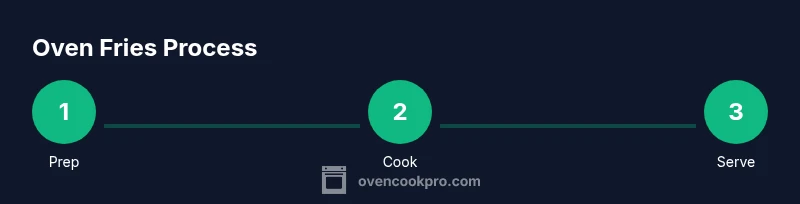
The following approach pairs with the detailed steps below and helps you see the overall flow from prep to plate. First, select potatoes and cut into uniform sticks. Next, dry thoroughly and lightly dust with starch. Then, toss with oil and seasonings, spread in a single layer on a parchment-lined sheet, and bake with a half-turn halfway through. Finally, season to taste and serve hot with your favorite dip.
Troubleshooting common issues
If fries come out soggy, check one of three culprits: excess moisture, overcrowding, or insufficient preheating. Dry potatoes more thoroughly and ensure the pan isn’t crowded; give each fry space for hot air to circulate. If browning is uneven, rotate the pan a quarter turn midway through baking or switch to a convection setting if available. For extra crispiness, reduce moisture by patting potatoes dry again before oiling and consider a brief additional bake time on a higher rack.
Flavor variations and serving ideas
Fries are forgiving and customizable. Classic combos include sea salt and cracked pepper, plus paprika or garlic powder for warmth. Finish with a light sprinkle of grated Parmesan, chopped fresh herbs, or a dash of chili flakes for heat. For dipping, offer garlic aioli, tangy ketchup, or a yogurt-herb sauce. If you’re cooking for kids or guests with dietary preferences, you can tailor the oil and seasoning without sacrificing texture or flavor.
Authoritative sources and further reading
For deeper guidance on potato preparation and safe oven practices, consult reputable sources such as the U.S. Department of Agriculture and university extension programs. These resources discuss general cooking safety, temperature considerations, and the science behind browning and crispiness. While recipes vary, the fundamentals—drying, spacing, and even heat—remain consistent across reputable outlets. See the authorities listed below for more detail and context.
Tools & Materials
- Russet potatoes(Choose medium to large potatoes; peel if desired, but skin adds texture)
- Oil with high smoke point(Canola or light olive oil recommended)
- Salt(Fine or flaked salt for even seasoning)
- Black pepper(Freshly ground if possible)
- Paprika or garlic powder(For extra flavor)
- Cornstarch or arrowroot powder(Light dusting to increase crispiness)
- Parchment paper(For easy cleanup and crisp edges)
- Baking sheet with rim(Nonstick or lined sheet works best)
- Optional fresh herbs(Chives or parsley for finishing)
Steps
Estimated time: 30-40 minutes total
- 1
Select and wash potatoes
Choose medium to large russet potatoes and rinse under cool water. Scrub to remove any dirt; pat dry with a clean towel. Why: clean, dry surfaces help with even browning. Pro tip: trim any dark spots before cutting.
Tip: A quick rinse reduces surface starch that can lead to uneven browning. - 2
Cut into uniform batons
Slice the potatoes into sticks about the width of a thumb. Uniform size ensures the fries cook evenly from edge to center. If you cut too thick, they may stay pale inside; too thin, they burn quickly.
Tip: Use a sharp knife and guide cuts with a steady hand to keep sections even. - 3
Rinse or soak to reduce starch
Rinse the cut sticks or soak briefly in cold water to remove excess surface starch. This helps achieve a crisper crust. After soaking, drain thoroughly and pat dry until the surface looks dry.
Tip: Dry thoroughly; moisture is the enemy of crispness. - 4
Dry and dust with starch
Pat fries dry again and optionally toss with a light dusting of cornstarch for extra crunch. Then drizzle with oil and toss to coat evenly. Even coating is essential for uniform browning.
Tip: A light starch coat helps the exterior crisp without adding noticeable flavor. - 5
Preheat oven and prepare pan
Preheat your oven to a high temperature. Line a baking sheet with parchment for easy release. A hot sheet begins browning on contact, reducing soggy edges.
Tip: If using convection, enable it to improve air circulation and browning. - 6
Spread fries in a single layer
Arrange fries in a single layer with space between pieces. Crowding traps steam and prevents browning. Bake, then flip halfway through for even color and texture.
Tip: Use a second sheet or rotate the pan to ensure even exposure to heat. - 7
Finish with seasoning and serve
Remove fries when they’re golden and crisp. Season with salt immediately and add any finish herbs if desired. Serve hot with your preferred dipping sauce.
Tip: Seasoning after baking preserves the saltiness and flavor without drawing moisture.
Questions & Answers
Can I use sweet potatoes to make oven fries?
Yes, you can make oven fries with sweet potatoes. They’ll have a milder sweetness and may brown a bit differently, so monitor bake time and adjust as needed for doneness.
Yes, you can use sweet potatoes for oven fries; bake a bit longer and watch for doneness.
Should I soak potatoes before baking?
Soaking helps remove surface starch, which promotes crisper edges. Rinse or soak briefly, then dry thoroughly before oiling.
Soaking helps crisp edges; dry well before oiling.
What oil is best for oven fries?
Choose a high smoke point oil such as canola, peanut, or grapeseed. Neutral oils keep flavors clean and promote even browning.
Use a high smoke point oil for even browning and minimal flavor interference.
Convection vs standard oven for fries?
Convection ovens typically produce crisper fries due to better air circulation. If using a standard oven, increase bake time slightly and rotate the pan for even browning.
Convection tends to be crisper; if you don’t have it, rotate the pan for even browning.
How can I avoid soggy fries?
Dry potatoes thoroughly, don’t overcrowd the pan, and bake at a hot, steady temperature to promote evaporation and browning.
Dry thoroughly, don’t crowd the pan, and keep heat high for crisp fries.
When should I season the fries?
Season after baking to preserve crisp texture and prevent drawing out moisture during cooking.
Season after they come out of the oven for best flavor.
Watch Video
Main Points
- Prep thoroughly to reduce moisture that sogs fries
- Space fries evenly for even browning
- High heat and dry surfaces produce crisper results
- Seasoning after baking preserves flavor