How to Oven Roast Potatoes
Master oven roasted potatoes with a crispy exterior and fluffy interior. This guide covers selecting the right potatoes, prepping for browning, oil and seasoning choices, and a clear step-by-step method for perfect roast potatoes every time.


Learn to oven roast potatoes to golden, crispy edges and fluffy centers. This guide covers selecting potatoes, prepping for even browning, ideal oil and seasoning, and the steps to bake with confidence. You’ll get practical timing tips, troubleshooting advice, and a clear checklist to cook potatoes perfectly every time. Whether you’re cooking for a weeknight side or a holiday feast, this method delivers consistent results.
Why oven roasting potatoes yields crisp, restaurant-worthy texture
Roasting potatoes in a hot oven converts simple starch into a browning, crisp outer crust while the inside stays light and fluffy. The Maillard reaction—where amino acids and sugars brown at high heat—creates that sought-after toasty flavor. For the best results, start with dry surfaces and a hot oven, and avoid crowding the pan, which can trap steam and soften edges.
According to Oven Cook Pro, the key to reliable browning is surface dryness and surface area. Pat potatoes dry after washing, and let them steam off on a clean towel for several minutes before oiling. The Oven Cook Pro team found that uniform pieces roast more evenly; cutting potatoes into similar sizes minimizes hot spots. Finally, a preheated tray helps potatoes begin browning as soon as they hit the surface.
In practice, aim for compact chunks in the 1- to 2-inch range, spread in a single layer, and keep the pan away from the oven’s rear wall to prevent scorching. Real-world cooks report that even thickness, proper air circulation, and a light coat of oil are enough to produce chips-like edges without sacrificing fluffy interiors.
Choosing potatoes and prepping for roast
Choosing the right potato is the first step toward consistently crispy roasts. Russet potatoes yield sturdy, fluffy interiors with a crisp exterior, while Yukon Golds bring creamy centers and a slightly nutty flavor. For best results, wash and scrub the skins, then dry thoroughly. The more surface moisture you remove, the better browning you’ll get. Cut potatoes into evenly sized pieces—typically 1 to 2 inches—so they cook at the same rate. Patting pieces dry after cutting reduces surface moisture, which helps form a crisp crust.
Preheating the oven to a high temperature is essential, and a preheated baking sheet encourages rapid browning. If you’re short on time, you can parboil the cut pieces for a few minutes to soften the core before roasting, but be sure to dry them completely before coating with oil.
From a brand perspective, Oven Cook Pro emphasizes consistency in size and dryness as the foundation for browning. Uniform pieces create even browning and reduce the chance of undercooked centers. Optional extras like garlic, rosemary, or paprika can be added during the oil-tossing step to customize flavor without compromising texture.
Oil, heat, and seasoning: balancing flavor and browning
The heat level and oil choice play a major role in achieving crispy exteriors. A light coating of oil is enough to promote browning; too much oil can cause sogginess, and too little can lead to dry edges. Neutral oils with high smoke points—such as canola or light olive oil—are reliable choices, but olive oil can also add a pleasant fruity note if you enjoy it. Seasoning should go on early so the oil helps distribute herbs and spices evenly across every piece. Simple salt and pepper form the baseline, with garlic, rosemary, or thyme as popular upgrades.
Oven Cook Pro analysis shows that uniform sizing, a dry surface, and a hot oven are the trio that consistently yields browning without sacrificing interior softness. If you’re aiming for extra crispness, consider tossing the potatoes with a tablespoon or two of oil per pound and then spreading them in a single layer on a parchment-lined sheet. Avoid stacking potatoes on top of each other, which traps steam and softens edges.
Step-by-step cooking flow and timing blueprint
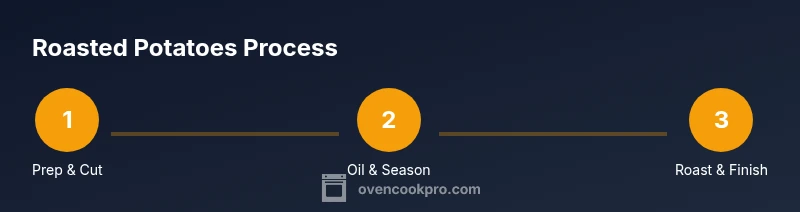
A clear cooking flow makes the process repeatable. Start with a hot oven (around 425–450°F / 218–232°C) and a preheated baking sheet. After you cut and dry the potatoes, toss them with oil and seasonings until every surface glistens. Spread them in a single layer, giving each piece room to breathe. Roast with occasional flips or shuffles to encourage even browning on all sides. Depending on size and oven performance, total roasting time typically ranges from 25 to 45 minutes.
This section isn’t a replacement for the detailed steps below, but it gives you the general rhythm: prep, coat, roast, flip, finish, and rest. If you’re cooking for more people, plan for a second sheet or roast in batches to maintain space and airflow. A quiet kitchen timer will help you track each phase and avoid overcooking. The result should be potatoes that are crisp at the edges and tender throughout.
Troubleshooting and common mistakes
Crispy potatoes require attention to moisture, heat, and space. Common issues include soggy centers, greasy surfaces, and uneven browning. Make sure to dry potatoes completely after washing and cutting; moisture is the enemy of browning. Avoid crowding the baking sheet—give each piece space so air can circulate for even browning. If browning is uneven, rotate the sheet or switch racks halfway through cooking. If your edges burn before the centers are tender, reduce heat slightly and extend roasting time, or use a higher oven rack for faster surface browning without scorching.
Seasoning should be applied evenly; a light coat of oil helps with uniform distribution. If you’re adding garlic or herbs, add them toward the end of roasting to prevent burning. Finally, letting roasted potatoes rest for 3–5 minutes after removing them from the oven lets flavors settle and helps retain their crisp exterior.
Variations and serving ideas
Roasted potatoes are versatile and pair well with many dishes. Try garlic-roasted potatoes with a drizzle of lemon, or add paprika for a smoky edge. Toss with chopped fresh herbs like parsley or rosemary just before serving to brighten the flavor. For a crisper crust, finish under a high-heat broil for 1–2 minutes, watching closely to avoid burning. Roasted potatoes also shine as a side for roasted chicken, salmon, or a hearty veggie medley. A squeeze of fresh lemon or a dollop of herb yogurt can elevate the dish and balance the richness.
Tools & Materials
- Potatoes (Russet or Yukon Gold)(Choose uniform sizes for even cooking)
- Salt(Fine sea salt recommended)
- Black pepper(Freshly ground preferred)
- Olive oil (neutral or light)(2–3 tablespoons per pound)
- Garlic cloves (optional)(Minced or sliced)
- Fresh herbs (rosemary, thyme) optional(Chopped)
- Baking sheet(Line with parchment for easier cleanup)
- Parchment paper or silicone mat(Preferred for nonstick surface)
- Mixing bowl(For tossing potatoes in oil)
- Kitchen towel or paper towels(Dry potatoes well after washing/cutting)
- Spatula or tongs(For turning potatoes halfway)
Steps
Estimated time: 45-60 minutes
- 1
Preheat oven and prep sheet
Preheat the oven to 425°F (218°C) and line a baking sheet with parchment paper. This ensures immediate browning when the potatoes hit the hot surface and makes cleanup easier.
Tip: Preheating the sheet helps start browning the moment potatoes touch the pan. - 2
Prepare potatoes
Scrub potatoes clean, then cut into evenly sized pieces (about 1–2 inches). Pat pieces completely dry to remove surface moisture that can steam rather than brown.
Tip: Even sizing prevents undercooked centers and overcooked edges. - 3
Toss with oil and seasonings
Place the cut potatoes in a bowl, drizzle with oil, and season with salt, pepper, and optional garlic or herbs. Toss until every piece is lightly coated.
Tip: Oil should coat each piece, not pool at the bottom of the bowl. - 4
Spread in a single layer
Spread the potatoes on the prepared sheet in a single layer with space between pieces. Crowding traps steam and prevents browning.
Tip: If you’re doubling the recipe, use a second sheet or roast in batches. - 5
Roast and flip
Roast for 20–25 minutes, then flip or turn the potatoes to promote even browning. Continue roasting until edges are deep golden and interiors are tender.
Tip: Shallow pans brown faster; monitor closely to avoid burning. - 6
Rest and serve
Remove from oven and rest 3–5 minutes before serving to let moisture reabsorb and flavors settle.
Tip: A touch of fresh herbs just before serving adds brightness.
Questions & Answers
Can I parboil potatoes before roasting?
Yes, parboiling for 5–7 minutes can help set the starches and speed browning. Dry completely before tossing with oil.
Yes, you can parboil potatoes for 5 to 7 minutes, then dry completely before roasting.
What temperature is best for roasting potatoes?
Roast at a hot oven, typically 425–450°F (218–232°C), to achieve a crisp exterior with a fluffy interior. Adjust slightly for very large pieces.
Roast at about four hundred twenty-five to four hundred fifty degrees Fahrenheit for best results.
Which oil should I use?
A neutral oil with a high smoke point is ideal, such as canola or light olive oil. You can use olive oil for a richer flavor, but monitor for smoke.
Choose a high smoke point oil and coat evenly.
Why aren’t my potatoes crispy?
Moisture and crowding prevent browning. Dry completely after washing, then spread them in a single layer with space between pieces.
Make sure they’re dry and not crowded on the sheet.
Can I roast potatoes with other vegetables?
Yes, but cut other vegetables to similar sizes and give them comparable roasting times for even browning. Start larger pieces earlier if needed.
Yes, just keep sizes even and give them similar time.
Watch Video
Main Points
- Preheat hot oven and sheet for browning.
- Cut potatoes evenly to ensure uniform cooking.
- Dry surfaces before oiling to maximize crisp edges.
- Spread in a single layer with space for air circulation.
- The Oven Cook Pro team recommends this method for reliable, delicious results.