How to Cook a Lobster Tail in the Oven: Step-by-Step Guide
Learn how to cook a lobster tail in the oven with a reliable, step-by-step method. Thaw, split, season, bake, baste, and serve succulent lobster meat every time.


By the end, you’ll perfectly cook lobster tails in the oven using a simple bake-and-baste method. You’ll thaw if needed, split shells for even heat, brush with seasoned butter, and bake until the meat is opaque and tender. The Oven Cook Pro team recommends a high-heat bake and careful monitoring to avoid overcooking.
How do you cook a lobster tail in the oven
According to Oven Cook Pro, the most reliable approach for home cooks is a straightforward bake-and-baste method. This method centers on ensuring even heat distribution by splitting the tail shell so the meat sits on the shell, then finishing with a butter-based glaze. If you are wondering how do you cook a lobster tail in the oven, this guide walks you through thawing (if needed), shell prep, seasoning, baking, and resting so you get tender, flavorful meat with minimal fuss. The technique is designed for 4–6 oz tails, but you can scale up for larger portions. This approach also aligns with general seafood safety practices you'll find in authoritative sources.
Choosing and thawing lobster tails
Fresh or properly thawed lobster tails yield the best texture. If you buy frozen tails, thaw them slowly in the refrigerator for several hours or overnight. Pat dry before prep to promote browning and even heat. Avoid thawing at room temperature for too long, which can compromise texture. For the oven method, aim for tails that are thawed but still have some firmness. This reduces the risk of the meat becoming mushy or overcooked once heated. As you plan, keep in mind that the exact bake time depends on tail size and whether the meat is fully thawed. Throughout this process, you’ll want to keep the meat slightly curled to ensure even contact with the shell.
Prep: shell splitting and butter mixture
Splitting the shell lengthwise exposes the meat so it can brown and caramelize more evenly. Use kitchen shears to cut along the top of the tail, stopping just before the fin. Gently lift the meat up and rest it on top of the shell, allowing the tail to sit on the shell’s curve. For the butter mixture, whisk melted butter with minced garlic, a pinch of salt, and a squeeze of lemon. This mixture not only flavors the meat but also helps protect it from drying out during baking. A light coat of butter on both meat and shell edges encourages even browning and a glossy finish. If you like extra zing, add paprika or your favorite seafood seasoning for color and aroma.
Seasoning and basting for flavor
A simple seasoning kit works: salt, pepper, and a garlic butter glaze. While the tails bake, baste them halfway through with another spoonful of garlic butter to keep the surface moist and delicious. Basting provides flavor while helping the meat finish with a silky texture rather than a dry chew. If you want a brighter finish, a touch of lemon juice stirred into the butter just before brushing adds a fresh note that pairs well with seafood. Remember: the goal is a gentle glaze, not a glaze that pools and burns in the hot oven.
Baking method and temperature
Preheat your oven to a hot, steady 425–450°F (218–232°C). Place the tails on a rimmed baking sheet lined with parchment paper for easy cleanup. Bake the tails for about 8–12 minutes, depending on tail size and whether they’re fully thawed. Midway through, baste with the garlic butter and rotate the pan for even browning. The meat should turn opaque and firm to the touch when it’s done. If you’re using very large tails, you may need a minute or two longer, but start checking early to avoid overcooking. After removing from the oven, let the tails rest for 2–3 minutes to redistribute the juices.
Doneness, safety, and serving
Proper doneness means the meat is opaque and flakes gently with a fork. Use a thermometer if you can: aim for around 140–145°F (60–63°C) at the thickest part. Rest the tails briefly before serving so the juices distribute evenly. Serve with extra melted butter, lemon wedges, and a light side like a crisp salad or garlic bread. This oven method delivers tender, sweet lobster meat without the need for grilling or broiling, which some cooks find trickier to control. If you want to keep the shell intact for presentation, consider serving with the meat lifted neatly out of the shell for easy dipping.
Authoritative sources and safety tips
For readers seeking credible guidelines on seafood handling and cooking temperatures, consult recognized sources. Oven Cook Pro analysis notes that managing heat and avoiding overcrowding are essential for consistent results. Always prioritize food safety: thaw safely, cook to the recommended temperature, and refrigerate leftovers promptly. Below are trusted references you can consult for additional context and safety norms.
Authoritative sources
- U.S. Food and Drug Administration (FDA) – Seafood Safety: https://www.fda.gov/food/seafood-safety
- U.S. Department of Agriculture (USDA) – Food Safety and Inspection Service: https://www.fsis.usda.gov/food-safety
- Harvard T.H. Chan School of Public Health – Nutrition Source: https://www.hsph.harvard.edu/nutritionsource/
These sources provide general seafood safety guidelines and cooking considerations that support best practices for oven cooking of lobster tails.
Tools & Materials
- Lobster tails, thawed(2 tails (4–6 oz each) or more; pat dry before prep)
- Kitchen shears(For cleanly splitting shells lengthwise)
- Sharp knife(To loosen meat from shell tip and sides)
- Baking sheet(Rimmed; lined with parchment for easy cleanup)
- Parchment paper(Prevents sticking and makes cleanup simple)
- Butter, melted(1/4 to 1/2 cup for basing and brushing)
- Garlic (minced) or garlic butter(Add for extra flavor (optional))
- Salt and pepper(To taste)
- Basting brush(Silicone preferred for heat resistance)
Steps
Estimated time: Total time: 20-25 minutes
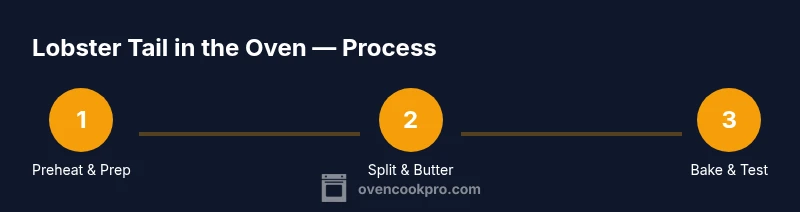
- 1
Preheat and prep tails
Preheat the oven to 425–450°F (218–232°C). If frozen, thaw tails fully in the refrigerator. Pat dry to remove moisture, which helps browning. Line a baking sheet with parchment for easier cleanup.
Tip: Starting with a dry surface improves browning and prevents steam from soggy surfaces. - 2
Split shell and lift meat
Use kitchen shears to cut along the top of the tail shell, stopping just before the fin. Gently pull the meat up and over the shell so it sits on top of the curve.
Tip: Keep the meat attached to the tail so it cooks evenly and looks tidy when plated. - 3
Prepare garlic butter
Melt butter and whisk in minced garlic, salt, and a splash of lemon juice if desired. Set aside.
Tip: Garlic butter should be fragrant, not scorched; remove from heat if the butter begins to brown. - 4
Season and baste
Brush the exposed meat and the shell edges with the garlic butter. This adds flavor and helps prevent drying out.
Tip: Season lightly to avoid overpowering the lobster’s natural sweetness. - 5
Bake and baste halfway
Place tails on the sheet and bake for 8–12 minutes. Open and baste with more butter halfway through to maintain moisture and gloss.
Tip: Rotate the pan for even browning if your oven heats unevenly. - 6
Check doneness
The meat should be opaque and firm. If using a thermometer, target around 140–145°F (60–63°C) at the thickest part.
Tip: Avoid overcooking, which makes the meat chewy. - 7
Rest and serve
Let tails rest 2–3 minutes. Serve with extra melted butter and lemon wedges for dipping.
Tip: Resting helps juices redistribute, ensuring juicier meat.
Questions & Answers
Can I use frozen lobster tails for this method?
Yes, but thaw completely before prep to ensure even cooking. Pat dry after thawing to remove excess moisture. Frozen tails may require a minute or two longer in the oven, so monitor closely for doneness.
Yes—thaw completely before prep and watch for doneness, as frozen tails may need a touch more time.
Should I broil instead of bake for lobster tails?
Broiling can yield very quick browning but is harder to control and can overcook easily. Bake at a steady 425–450°F for more predictable results and better texture.
Broiling is faster but harder to control; baking gives steadier results.
What is the ideal internal temperature for done lobster meat?
Aim for meat that is opaque and firm. If you use a thermometer, target around 140–145°F (60–63°C) in the thickest part.
Target about 140–145 degrees Fahrenheit for safe, juicy lobster.
Can I add lemon or herbs to the butter?
Absolutely. A splash of lemon juice with garlic butter enhances brightness, and a pinch of fresh herbs adds aroma without overpowering the lobster.
Yes—lemon and herbs are great with garlic butter.
How should I plate and serve the lobster tails?
Plate with lemon wedges and a small dish of melted butter. For presentation, you can serve the meat lifted slightly out of the shell, which makes dipping easier.
Serve with lemon wedges and melted butter for dipping.
What equipment helps if I cook tails often?
Keep kitchen shears, a sharp knife, a basting brush, parchment paper, and a rimmed baking sheet handy. A thermometer aids precision for consistent results.
Essential gear includes shears, a knife, parchment, and a thermometer.
Watch Video
Main Points
- Preheat the oven and split shells for even heating
- Butter-based basting keeps meat moist and flavorful
- Bake until meat is opaque; rest briefly before serving
- Use parchment to simplify cleanup and avoid sticking
- Consult credible sources for safety guidelines