Cooking Crab Legs in the Oven: The Ultimate Step-by-Step Guide
Learn how to cook crab legs in the oven with expert, practical guidance. Preheat, thaw, season, and finish with butter and lemon for tender, flavorful results every time.


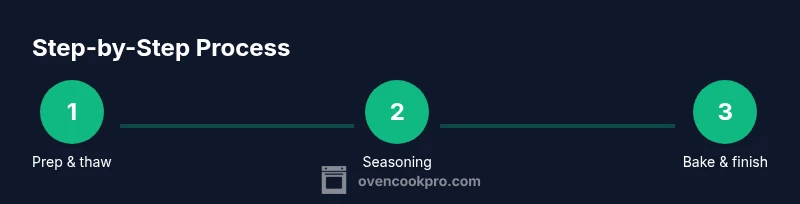
To bake crab legs in the oven, thaw if needed, preheat to 425°F, and arrange the legs in a single layer on a sheet with a splash of water or broth for humidity. Bake 8–12 minutes until heated through and the meat is opaque; finish with melted butter, garlic, and lemon for extra flavor.
Why oven cooking is a practical choice for crab legs
Cooking crab legs in the oven offers a reliable, low-mess method to achieve tender, flavorful meat without the splatter of boiling. The oven provides steady, even heat that minimizes the risk of overcooking the delicate flesh. For home cooks, the approach is convenient: you can prep the legs ahead, keep them covered until ready, and finish with a quick butter-garlic glaze. According to Oven Cook Pro, cooking crab legs in oven delivers consistent results when you start with thawed legs and a proper preheat. The technique works for both thawed and previously frozen legs, and you can customize the flavor with garlic, citrus, and herbs to suit your meal plan.
In this guide, you’ll learn the rationale behind oven-based cooking for crab legs, how to choose the right temperature, and how to finish with a flavorful glaze that enhances natural sweetness. You’ll also find practical tips on thawing, moisture retention, and avoiding rubbery texture, so every bite is succulent and juicy. Whether you’re feeding a family dinner or a casual get-together, cooking crab legs in oven is a dependable option that fits a busy kitchen routine.
The core idea behind this method is simple: heat through evenly without drying the meat. The oven setup shines because you can control humidity with a small amount of liquid and achieve a light, lacquered finish with a butter glaze. This section also highlights how to plan around thawing time, so you’re never stuck waiting mid-recipe. For best results, start with high-quality crab legs, pat them dry, and keep them in a single layer for uniform cooking. The end goal is tender meat with bright, natural sweetness and a hint of butter and citrus.
Practical overview of steps and outcomes
- Thaw if needed and pat dry for even heating.
- Preheat to a hot but not scorching temperature to seal moisture.
- Bake in a single layer to ensure uniform heat distribution.
- Finish with a flavorful glaze or sauce.
- Check for opaque flesh and a pleasant aroma.
- Serve immediately for the best texture and taste.
When done correctly, the crab legs will release a light steam as the meat warms, with a subtle sweetness that’s intensified by butter and garlic. This approach is especially effective when you want to minimize kitchen cleanup while still delivering restaurant-quality results at home. The following sections dive into specifics, including thawing guidance, timing, and flavoring ideas to tailor the dish to your preferences.
Common flavor and texture outcomes you can expect
- Tender, opaque meat with a delicate, sweet crab flavor.
- A light glaze of melted butter or garlic butter that coats the surface.
- Slight caramelization on the edges if you broil briefly for color.
- Moisture retention due to the gentle oven heating and shallow moisture in the pan.
If you notice dryness or rubbery texture, reassess the oven temperature, reduce bake time, or reheat briefly with a touch of broth to reintroduce moisture. This approach aligns with general seafood cooking best practices and can be adjusted to your oven’s unique quirks.
Scaling the method for gatherings and leftovers
For larger batches, use multiple baking sheets or a sheet pan with a rack to maximize air circulation. Keep the legs in a single layer and avoid crowding to prevent steaming instead of baking. Leftover crab legs can be stored refrigerated for 1–2 days and reheated gently in the oven with a splash of broth to restore moisture. If you’re reheating, reduce the bake time to 5–7 minutes to avoid overcooking. This scalable method keeps flavor consistent whether you’re cooking for two or a crowd.
Tools & Materials
- Baking sheet with rim(15x12 inches or larger; allows a single layer for even heating)
- Aluminum foil or parchment paper(for easier cleanup or tenting to retain moisture)
- Butter(melted for finishing sauce)
- Garlic cloves(minced and ready to sauté into the butter)
- Lemons (for serving)(freshly sliced or wedged for bright acidity)
- Kitchen tongs(for safe handling of hot legs)
- Measuring spoons(for precise seasoning if using salt or herbs)
Steps
Estimated time: 25-35 minutes (excluding thawing time)
- 1
Preheat oven
Set the oven to 425°F (220°C) and allow it to fully preheat while you prep the crab legs. A fully heated oven ensures even cooking and minimizes the risk of underheating the meat. This step creates the ideal starting point for a quick bake.
Tip: Position the rack in the middle of the oven to promote even heat distribution. - 2
Thaw and pat dry
If crab legs are frozen, thaw completely in the refrigerator or under cold running water before cooking. Pat the legs dry with paper towels to remove surface moisture that can steam instead of bake.
Tip: Dry surfaces help develop a light exterior and prevent soggy texture. - 3
Arrange on sheet
Place crab legs in a single layer on the baking sheet. Add a small amount of water or broth to the pan to create gentle steam and keep the meat juicy during the bake.
Tip: Overlap is discouraged; crowding leads to uneven heating. - 4
Bake until warmed through
Bake for 8–12 minutes, depending on thickness and whether legs are fresh or previously frozen. The goal is to heat the meat through without overcooking, which can make it tough.
Tip: Check for a faint steam and opaque meat around the thickest part to gauge doneness. - 5
Make garlic butter glaze
While the legs bake, melt butter and sauté minced garlic lightly. This creates a fragrant glaze that enhances sweetness and provides a rich finish.
Tip: Don’t overcook the garlic; aim for a pale, fragrant aroma, not browned bits. - 6
Finish and serve
Remove the pan, toss or brush the legs with the garlic butter, and finish with a squeeze of lemon. Serve immediately for best texture and flavor.
Tip: Fresh lemon brightens the buttery coating and complements the crab flavor. - 7
Optional color boost
If you desire a light lacquer, broil on high for 1–2 minutes after glazing. Watch closely to prevent burning.
Tip: Keep a close eye, as color can quickly become too dark. - 8
Storing and reheating
Store leftovers in airtight containers in the fridge for 1–2 days. Reheat gently in a low oven with a splash of broth to maintain moisture.
Tip: Reheating slowly preserves texture better than quick microwaving.
Questions & Answers
Can I cook crab legs in the oven from frozen?
Yes, but thawing first yields more even heating and avoids cold spots. If you cook from frozen, extend the bake time slightly and check for doneness by the flesh turning opaque.
Yes, you can cook from frozen, but thawing is best for even heating. If you’re pressed for time, bake a little longer and check that the meat is opaque.
What temperature is best for cooking crab legs in the oven?
A hot, rapid-heat approach around 425°F (220°C) works well for most crab legs. The goal is to heat through quickly without drying the meat.
A good temperature is around 425 degrees Fahrenheit to heat through without drying out.
How long do crab legs take to cook in the oven?
Expect 8–12 minutes for thawed legs and slightly longer for frozen legs. Check the meat at the 8-minute mark and adjust as needed.
Typically 8 to 12 minutes, depending on thawing and size. Start checking at eight minutes.
Should I cover crab legs while baking?
Covering is optional. A light cover with foil can trap moisture but may soften edges. Baking uncovered often yields a nicer exterior glaze.
Covering is optional; uncovered baking gives a better glaze and texture.
How can I tell when crab legs are done?
The meat should be opaque and firm with a pleasant aroma. There should be a light steam when you cut into a leg.
Look for opaque, firm meat and a gentle aroma of garlic and butter; there should be steam when cut.
Can I reuse shells for stock after baking?
Yes. Shells can be preserved for stock or seafood broth, adding depth to future soups and sauces.
Yes, you can reuse the shells to make stock later.
Watch Video
Main Points
- Preheat to 425°F for even heating.
- Thaw frozen legs before baking for best texture.
- Bake 8–12 minutes, then finish with butter and lemon.
- Avoid overcrowding; use a single layer for even heat.
- Watch closely if using a broil finish to avoid burning.