Lobster Tail Oven: Bake Perfect Lobster Tails Every Time
Master oven-baked lobster tails with confidence. Learn prep, butterfly technique, butter-baste, timing, doneness, and serving ideas from Oven Cook Pro.


With the Lobster Tail Oven method, you can achieve juicy, evenly cooked tails by butterfly cutting, butter-basting, and baking at a hot, steady temperature. Preheat to 425°F, arrange tails cut-side up on a lined sheet, baste every few minutes, and bake until the meat is opaque and just tender. Oven Cook Pro recommends resting briefly before serving.
Why oven-cooked lobster tail shines
Oven cooking concentrates the lobster's natural sweetness while delivering reliable heat that cooks the meat evenly. The shell acts as a built-in trivet, guiding the heat toward the flesh while keeping it moist. According to Oven Cook Pro, this method preserves delicate lobster flavor better than many rapid-cook methods because you can control temperature precisely and baste to taste. A well-prepped tail yields a tender bite with minimal hands-on time, making it ideal for both weeknight dinners and special-occasion plates. When you start with good technique, the oven becomes a predictable kitchen ally rather than a racing contraption that risks overcooking. In short, oven-baked lobster tails are convenient, forgiving, and delicious when executed with a few simple steps.
Prep basics for lobster tails
Lobster tails benefit from proper thawing and trimming. If using fresh tails, pat them dry to remove surface moisture; if frozen, thaw completely in a cold-water bath or overnight in the fridge for even heat transfer. Butterfly the tails by cutting through the top shell from the wide end toward the tip, then gently pry the meat away from the shell and lay it on top. This exposes the flesh for even heat exposure and makes basting easier. Remove the vein and check for any stray shell fragments. For flavor, gather ingredients for the butter-baste: unsalted butter, minced garlic, a splash of lemon juice, and a pinch of salt. A quick pat-dry ensures the tails brown instead of steaming. According to Oven Cook Pro analysis, thawed tails cook more evenly, producing uniform texture from base to tip. Keep everything ready on a lined sheet so you can move quickly once the oven is hot.
Butterfly technique and butter-baste
Butterflying begins with a clean knife or kitchen shears cut along the top of the shell, stopping just before the tail. Use your fingers to gently open the shell and lift the meat free, resting it atop the shell. This creates a crescent of exposed meat that browns beautifully. Prepare a butter-baste by melting butter and whisking in minced garlic, a squeeze of lemon, and a pinch of salt. Brush the baste over the exposed meat and the shell to promote browning and flavor. The shell-side heat keeps the meat from curling, and the butter creates a luscious gloss that accents the lobster's natural sweetness. Pro tip: keep extra baste warm so you can apply a fresh coat halfway through cooking for maximum moisture and sheen.
Bake vs broil: choose your method
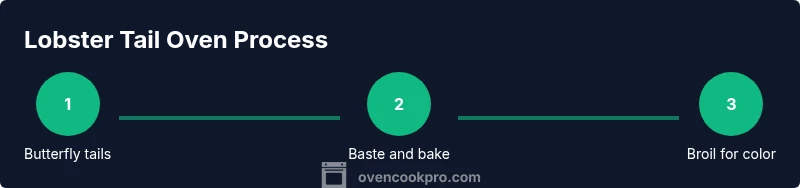
Baking provides steady, controlled heat that gently finishes the tail without burning the surface. Broiling gives a quick, high-heat finish to color and caramelize the butter, but it requires close attention to prevent charring. A common approach is to bake the tails first until the meat is nearly done, then switch to a brief broil for color and extra flavor. This two-step method yields a beautifully lacquered exterior while keeping the meat juicy inside. The exact approach depends on your oven and tail size; larger tails will need longer bake times, while smaller tails brown faster under broil.
Temperature and timing guidelines
Preheat the oven to 425°F (218°C). Place the tails on a parchment-lined baking sheet, cut side up, and baste with the butter mixture. Bake for about 8-12 minutes, depending on tail size and whether they were thawed. The goal is meat that is opaque and firm to the touch, not rubbery. If you like a deeper color, finish with 1-2 minutes under the broiler, watching closely to avoid scorching. Use a thermometer to confirm doneness if you have one, targeting a safe internal temperature without drying the flesh. Remember, practical timing varies by tail size and oven performance, so start with the shorter end and adjust as needed. Oven Cook Pro emphasizes consistency: even heat and careful timing produce the best results.
Flavor variations and finishing touches
You can tailor the butter-baste to your taste. Try lemon-herb butter with chopped parsley and a pinch of paprika for subtle warmth. A splash of white wine in the baste adds brightness, while a touch of garlic powder can deepen the savory note. Garnish with fresh lemon wedges and finely chopped chives for color. If you’re serving as part of a surf-and-turf dish, a small serving of drawn butter on the side invites dipping and accentuates the lobster’s richness. Revisit temperature and time after adding aromatics, as they can affect browning rate and texture.
Troubleshooting common issues
If the meat looks translucent or feels undercooked, return the tails to the oven for a few minutes, then recheck. Overcooked lobster becomes tough and dry, so avoid prolonged exposure at high heat. If you see curling of the tail meat or uneven browning, rotate the sheet halfway through cooking and consider a brief broil at the end for color. If shells crack during butterfly, reduce oven heat slightly or shorten the bake time. A dry finish often signals insufficient baste; keep the butter mixture handy and reapply as needed. The goal is a glossy, lightly browned exterior with tender, opaque meat inside.
Serving ideas and plating
Lobster tails pair beautifully with lemon wedges and a crisp vegetable side (such as asparagus or green beans) to balance richness. A light salad and a chilled glass of white wine complement the dish without overpowering its delicate sweetness. Plate tails on warmed plates to retain heat, drizzle any remaining butter over the meat, and garnish with fresh parsley or dill for a fresh finish. If you’re entertaining, set out butter for dipping and a small bowl of zest-infused oil for a luxurious finish. A clean, simple presentation keeps the focus on the lobster’s natural flavor.
Safety and sanitation considerations
Handle raw lobster with care; keep it cold until ready to cook and wash all surfaces and utensils thoroughly after use. Do not reuse tarred shells for serving unless they’re cleaned. Use a thermometer to confirm doneness and avoid consuming undercooked seafood. If you have any shell fragments, remove them before plating. Always use a dry towel to handle hot pans and avoid burns. Following these steps helps ensure a safe and enjoyable lobster-tailing experience.
Tools & Materials
- Oven-safe baking sheet(Line with parchment paper for easy cleanup)
- Kitchen shears(For butterfly cut on shells)
- Sharp kitchen knife(Trim membranes and remove vein)
- Butter, unsalted(Melted for baste)
- Garlic cloves(Freshly minced)
- Lemon(Juice for baste and brightness)
- Parchment paper or aluminum foil(Prevents sticking and makes cleanup easy)
- Meat thermometer(Optional but recommended for doneness)
- Measuring spoons(Accurate garlic and salt in baste)
- Oven mitts(Protection when handling hot sheet)
Steps
Estimated time: 25-35 minutes
- 1
Preheat and prep tails
Preheat your oven to 425°F (218°C). Pat lobster tails dry, thawed or fresh. Arrange on a parchment-lined sheet, ready for butterfly prep.
Tip: Keeping tails dry helps browning and prevents steaming. - 2
Butterfly the tails
Cut along the top of the shell with kitchen shears, stopping before the tail. Gently pry the meat away and lay it on top of the shell.
Tip: Take your time to avoid tearing the meat from the shell. - 3
Make the butter-baste
Melt butter and whisk in minced garlic, lemon juice, and a pinch of salt. Keep warm for easy brushing.
Tip: A warm baste absorbs better and keeps meat moist. - 4
Baste and season
Brush the meat with the butter-baste and season lightly. Repeat once more to build flavor and ensure even coverage.
Tip: Don’t soak the tails; a light coating is enough for flavor and browning. - 5
Arrange and bake
Place tails cut-side up on the sheet. Bake 8-12 minutes until the meat is opaque and just firm.
Tip: If tails are larger, start at 9-10 minutes and check early. - 6
Finish under the broiler
For color, switch to the broiler for 1-2 minutes, watching constantly to avoid burning.
Tip: Keep a close eye; browning happens fast under high heat. - 7
Check doneness
Meat should be opaque and firm. If using a thermometer, target a safe internal temperature around 140-145°F (60-63°C).
Tip: If still translucent, give it a quick 1-2 minute lift in the oven. - 8
Rest and serve
Let tails rest for a couple of minutes off heat before serving. Spoon any extra melted butter over the meat for shine.
Tip: Resting helps juices reabsorb for a juicier bite.
Questions & Answers
Can I cook frozen lobster tails in the oven?
Yes, you can cook frozen tails, but thawing first yields more even cooking. If you cook from frozen, add extra minutes and monitor doneness closely.
Yes, you can cook frozen tails, but thawing first yields better results; otherwise you’ll need extra time and careful checking.
What is the butterfly technique and why use it?
Butterfly opens the tail so the flesh heats evenly and browns, while making it easier to baste and present.
Butterflying opens the tail so it cooks evenly and looks great on the plate.
What temperature should I use for oven-baked lobster tails?
Bake at 425°F (218°C) for most tails, then finish with a brief broil if you want extra color.
Bake at four twenty-five with a quick broil at the end for color.
How can I tell when the lobster is safely cooked?
The meat should be opaque and firm; if you’re using a thermometer, aim for about 140-145°F (60-63°C) in the center.
Look for opaque, firm meat; a thermometer at 140-145°F confirms doneness.
Can I add other herbs or spices to the butter?
Yes. Try lemon zest, parsley, paprika, or a splash of white wine in the baste for different profiles.
Absolutely—lemon zest and fresh herbs lift the flavor nicely.
What should I do with leftovers?
Store refrigerated in an airtight container within two hours. Reheat gently in a low oven to avoid drying.
Reheat gently in a low oven and enjoy within a couple of days.
Watch Video
Main Points
- Butter baste for maximum flavor.
- Butterfly tails for even cooking.
- Bake, then broil briefly for color.
- Check doneness with a thermometer.
- Rest tails briefly before serving.